Does Japan’s Declining Population Limit Their Power?
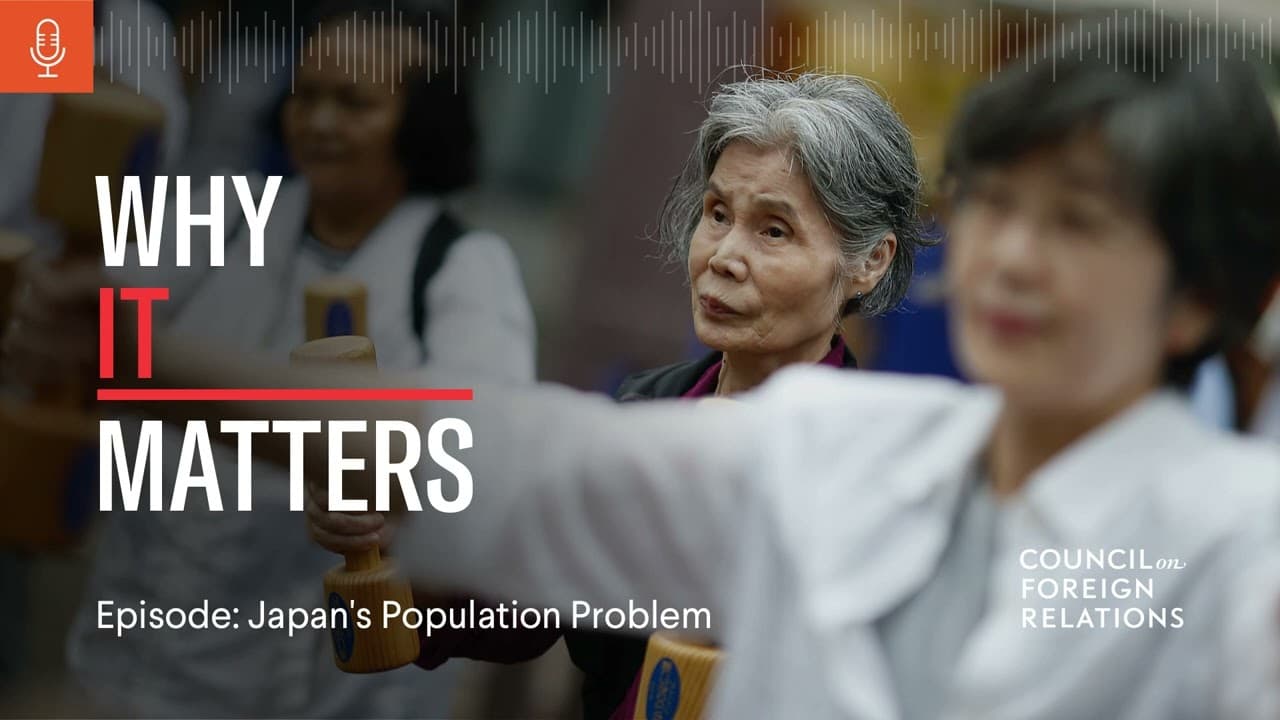
TL;DR
Japan's aging population threatens its global influence and U.S. alliance.
Transcript
SIERRA: Japan. A place known for its exceptionally good food, its pop culture, and its sprawling, fast-paced cities. When it comes to geopolitics though, it doesn t get talked about as much as neighbors like Russia and China. But out of the spotlight, and behind the curtain, Japan is a powerful global player, and one of the United States most impor... Read More
Key Insights
- Japan's population is rapidly aging, with over 30% expected to be over 65 in a decade, posing economic and social challenges.
- The declining population could weaken Japan's role on the world stage, impacting its alliance with the U.S. and regional stability.
- Japan's government faces increased costs for eldercare and pensions, while a shrinking workforce reduces tax revenues.
- Traditional family structures are shifting, leaving many elderly people living alone, necessitating more nursing facilities and caregivers.
- The U.S.-Japan alliance is crucial for addressing challenges from China and ensuring regional security, with Japan hosting key U.S. military bases.
- Japan's economic ties with the U.S. are strong, with Japan being the third-largest economy and a major source of foreign direct investment in the U.S.
- Efforts to address the demographic decline include empowering women in the workforce and considering immigration as potential solutions.
- Automation and technological advancements are being explored to compensate for labor shortages, particularly in eldercare and military sectors.
Install to Summarize YouTube Videos and Get Transcripts
Explore YouTube Video Summarizer or Get YouTube Transcript Extractor
Questions & Answers
Q: What is the main demographic issue Japan is facing?
Japan is facing a demographic crisis characterized by a rapidly aging population and declining birth rates. This trend is leading to a shrinking workforce and increasing eldercare costs, posing significant economic and social challenges for the country. The aging population threatens Japan's long-term economic vitality and geopolitical influence.
Q: How does Japan's demographic decline impact its alliance with the U.S.?
Japan's demographic decline could weaken its role as a key U.S. ally in the Asia-Pacific region by reducing its economic and military capabilities. A shrinking workforce and increased eldercare costs may limit Japan's ability to contribute to regional security and economic growth, potentially affecting the strength of the U.S.-Japan alliance.
Q: What are the economic implications of Japan's aging population?
Japan's aging population leads to increased government spending on healthcare and pensions, while a shrinking workforce reduces tax revenues. This creates economic strain, potentially hindering Japan's ability to maintain its economic growth and competitiveness. The demographic shift also affects traditional family structures, increasing the need for eldercare services.
Q: What strategies is Japan considering to address its demographic challenges?
Japan is exploring several strategies to address its demographic challenges, including empowering women in the workforce through initiatives like womenomics, considering immigration to boost the labor force, and investing in automation and technology to compensate for labor shortages. These efforts aim to mitigate the economic and social impacts of an aging population.
Q: Why is the U.S.-Japan alliance important for regional security?
The U.S.-Japan alliance is crucial for regional security, particularly in addressing challenges from China and North Korea. Japan hosts significant U.S. military bases, providing strategic locations for operations in East Asia. This military presence is vital for maintaining stability in the region and supporting U.S. strategic interests.
Q: How do economic ties between the U.S. and Japan benefit both countries?
Economic ties between the U.S. and Japan are strong, with Japan being the third-largest economy and a major source of foreign direct investment in the U.S. These ties create jobs, boost economic growth, and integrate the two economies into global supply chains. The partnership supports innovation and technological advancements, benefiting both countries.
Q: What role does automation play in addressing Japan's demographic issues?
Automation plays a significant role in addressing Japan's demographic issues by compensating for labor shortages, particularly in sectors like eldercare and the military. Japan is investing in robotics and automation technologies to reduce reliance on human labor, allowing the country to maintain productivity despite a shrinking workforce.
Q: What are the potential solutions to Japan's demographic decline?
Potential solutions to Japan's demographic decline include increasing women's participation in the workforce, encouraging immigration to boost the labor force, and investing in automation to address labor shortages. These strategies aim to mitigate the economic and social impacts of an aging population, ensuring Japan's continued economic vitality and geopolitical influence.
Summary & Key Takeaways
-
Japan faces a demographic crisis with a rapidly aging population and declining birth rates, threatening its economic and geopolitical influence. The government struggles to balance eldercare costs with a shrinking workforce, impacting tax revenues and social structures. Efforts to empower women and consider immigration offer potential solutions.
-
The U.S.-Japan alliance remains vital for regional security, particularly concerning China and North Korea. Japan hosts significant U.S. military presence, crucial for strategic operations in East Asia. Economic ties are strong, with Japan being a major investor in the U.S., contributing to job creation and economic growth.
-
Japan explores solutions to its demographic challenges, including increasing women's workforce participation and automation. Immigration is also considered to address labor shortages. Despite challenges, Japan's history of innovation provides hope for overcoming its demographic issues, maintaining its role as a key U.S. ally.
Read in Other Languages (beta)
Share This Summary 📚
Summarize YouTube Videos and Get Video Transcripts with 1-Click
Try YouTube Summary with ChatGPT & Claude or YouTube Transcript Generator
Explore More Summaries from Council on Foreign Relations 📚


Summarize YouTube Videos and Get Video Transcripts with 1-Click
Try YouTube Summary with ChatGPT & Claude or YouTube Transcript Generator