How Social Isolation Affects Your Brain and Body

TL;DR
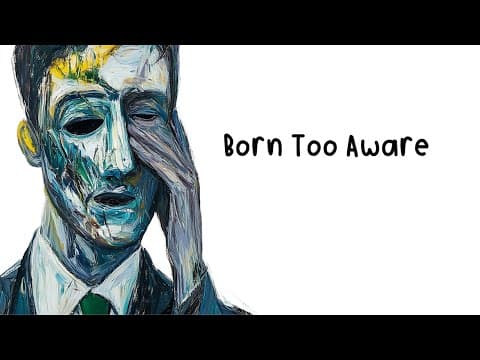
Prolonged social isolation leads to significant changes in brain architecture and physical health, emphasizing the necessity of human connection for well-being. While chosen solitude can foster growth, enforced isolation often results in detrimental psychological and physiological effects, highlighting the importance of social bonds for maintaining mental and emotional health.
Transcript
She was just standing there in the middle of the road frozen. So I I got out of the car and I walked over to see if she was okay and she leaned over and whispered in my ear. What did she say? I mean, I think Frank wants me to go talk to her, you know, because the last time I saw him, he asked me if I knew about time travel and she wrote a book abou... Read More
Key Insights
- Social isolation causes the brain's architecture to change, impacting emotional regulation and cognitive functions.
- Prolonged isolation triggers stress responses similar to physical pain, increasing risks of mental and physical health issues.
- Human connection is crucial for maintaining mental health, as it helps regulate emotions and provides reality testing.
- Voluntary solitude can be beneficial if it includes purpose and connection to larger goals or communities.
- Isolation in extreme forms, like solitary confinement, can have devastating effects on mental health and behavior.
- Modern life often creates environments that foster loneliness, despite technological advances meant to connect us.
- Healing from isolation requires not just physical presence but meaningful, empathetic interactions with others.
- The brain's plasticity allows for recovery from isolation effects through reconnection and supportive relationships.
Install to Summarize YouTube Videos and Get Transcripts
Explore YouTube Video Summarizer or Get YouTube Transcript Extractor
Questions & Answers
Q: How does social isolation affect mental health?
Social isolation leads to significant changes in brain architecture, affecting emotional regulation and cognitive functions. The absence of social interaction triggers stress responses that can mimic physical pain, increasing risks of mental health issues like anxiety and depression. Over time, the lack of social bonds can lead to a decline in overall mental well-being.
Q: What are the physiological effects of prolonged isolation?
Prolonged isolation can cause elevated cortisol levels, leading to increased risks of cardiovascular disease and impaired cognitive function. It also disrupts sleep patterns and weakens the immune system, making individuals more vulnerable to illnesses. These physiological changes highlight the interconnectedness of mental and physical health.
Q: Why is human connection important for mental health?
Human connection is crucial for mental health as it helps regulate emotions, provides reality testing, and offers support and validation. Social bonds enable individuals to share experiences and emotions, reducing feelings of loneliness and fostering a sense of belonging, which is essential for psychological well-being.
Q: What distinguishes beneficial solitude from harmful isolation?
Beneficial solitude is chosen, purposeful, and often includes connections to larger goals or communities, allowing for personal growth and reflection. In contrast, harmful isolation is imposed, indefinite, and lacks meaning, leading to detrimental effects on mental health and well-being due to the absence of social interaction and support.
Q: How does solitary confinement impact individuals?
Solitary confinement can have devastating effects on mental health, causing severe psychological distress, paranoia, and cognitive decline. The lack of social interaction and sensory stimulation leads to changes in brain architecture, increasing the risk of long-term mental health issues and behavioral problems.
Q: What role does technology play in modern isolation?
While technology can connect people across distances, it often fosters environments that promote loneliness by replacing face-to-face interactions with digital ones. This shift can lead to a lack of meaningful, empathetic connections, which are essential for maintaining mental and emotional health, despite the perceived increase in connectivity.
Q: How can individuals recover from the effects of isolation?
Recovery from isolation involves rebuilding social bonds through meaningful, empathetic interactions. The brain's plasticity allows for healing as individuals reconnect with supportive relationships, which help regulate emotions and cognitive functions. Engaging in community activities and fostering genuine connections are crucial steps in this recovery process.
Q: What is the impact of social environments on loneliness?
Social environments that lack opportunities for meaningful interactions contribute to loneliness, despite technological advancements. Modern life often creates conditions that discourage physical presence and genuine connections, leading to increased feelings of isolation and highlighting the need for environments that promote social interaction and community building.
Summary & Key Takeaways
-
Social isolation profoundly affects both the brain and body, leading to significant changes in emotional regulation and cognitive functions. The absence of social interaction can trigger stress responses that mimic physical pain, highlighting the necessity of human connection for mental and physical well-being.
-
Voluntary solitude, when purposeful, can lead to personal growth and reflection. However, enforced isolation, such as solitary confinement, often results in severe psychological and physiological consequences. These effects underscore the importance of maintaining social bonds to support mental health.
-
Modern society, despite its technological advancements, often fosters environments that promote loneliness. Healing from the effects of isolation involves not only physical presence but also meaningful and empathetic interactions, emphasizing the brain's capacity for recovery through reconnection.
Read in Other Languages (beta)
Share This Summary 📚
Summarize YouTube Videos and Get Video Transcripts with 1-Click
Try YouTube Summary with ChatGPT & Claude or YouTube Transcript Generator
Explore More Summaries from Queen 📚





Summarize YouTube Videos and Get Video Transcripts with 1-Click
Try YouTube Summary with ChatGPT & Claude or YouTube Transcript Generator