How Will Trump's Tax Bill Affect US Economy?
TL;DR
The 'big, beautiful bill' aims to stimulate economic growth by implementing tax cuts and reducing spending. It promises no tax on tips and overtime, with a focus on benefiting seniors and blue-collar workers. Critics are concerned about increasing the federal deficit and potential loss of Medicaid and SNAP benefits for millions.
Transcript
Great to have you here on the program. Let's start off with the bill. I know we are still awaiting a vote, a vote that is likely to occur today and, of course, a signing that the president himself has said he would like to get done tomorrow on July 4th. As you then pan out after July 4th to sell this bill to the public and more importantly, to impl... Read More
Key Insights
- The bill aims to parallel prosperity by combining 2017 Tax Cuts and Jobs Act benefits with new provisions.
- 85% of seniors will not pay tax on Social Security, and auto loans made in the U.S. will be deductible.
- The bill funds defense, border security, and school choice, aligning with President Trump's agenda.
- Critics fear increased federal deficit due to insufficient revenue from tax cuts.
- The Treasury plans to rely on shorter-term issuance to manage financing needs amid interest rate volatility.
- The U.S. dollar's strength is tied to long-term economic growth and inflation control, not short-term currency fluctuations.
- The bill could remove millions from Medicaid and SNAP benefits, focusing aid on those deemed truly in need.
- There is optimism for future trade deals that could favor the U.S., with negotiations ongoing.
Install to Summarize YouTube Videos and Get Transcripts
Explore YouTube Video Summarizer or Get YouTube Transcript Extractor
Questions & Answers
Q: How will the tax bill impact Social Security taxes?
The tax bill is set to significantly reduce the tax burden on Social Security recipients, with a provision that 85% of seniors will no longer pay taxes on their Social Security benefits. This change is part of the broader effort to ensure financial relief and support for seniors, aligning with the administration's goal of parallel prosperity. The reduction in taxes is expected to improve the disposable income of seniors and stimulate economic activity.
Q: What are the concerns regarding the federal deficit with this bill?
Critics of the bill are concerned that it could lead to a significant increase in the federal deficit. The main issue is the potential shortfall in revenue due to the tax cuts, which may not be fully offset by the expected economic growth and increased tax revenues. The Congressional Budget Office (CBO) has projected a substantial addition to the national debt, raising questions about the fiscal sustainability of the proposed measures.
Q: How does the bill propose to manage Treasury financing needs?
The Treasury plans to manage its financing needs by issuing more short-term debt, particularly Treasury bills, to refill the Treasury general account. This strategy is in response to the volatility in interest rates and the need for flexibility in managing the government's cash flow. The approach aims to minimize rollover risk and take advantage of current market conditions, ensuring stable and robust treasury auctions.
Q: What is the administration's stance on the U.S. dollar policy?
The administration maintains a strong dollar policy focused on ensuring that the U.S. dollar remains the world's reserve currency. This involves fostering long-term economic growth, controlling inflation, and making the U.S. an attractive destination for global capital. The administration dismisses short-term fluctuations in the dollar's value as unrelated to the strong dollar policy, emphasizing the importance of structural economic factors.
Q: How will the bill affect Medicaid and SNAP benefits?
The bill is projected to result in millions losing Medicaid and SNAP benefits, with a focus on redirecting aid to those deemed truly in need. The administration argues that many of those affected are able-bodied adults who should meet a 20-hour work requirement. The goal is to prioritize Medicaid for pregnant women, mothers, and children, aligning with the original intent of the program.
Q: What trade negotiations are expected following the bill's passage?
Following the bill's passage, a flurry of trade deals is anticipated, with negotiations expected to conclude by July 9th. The administration aims to secure reciprocal tariff agreements with about 100 countries, seeking to enhance fair trade. The Treasury Secretary has indicated that some countries have offered unprecedented concessions, suggesting potential wins for the U.S. in upcoming trade agreements.
Q: What role does the Federal Reserve play in the current economic strategy?
The Federal Reserve plays a critical role in the economic strategy by setting interest rates and influencing monetary policy. Despite calls from President Trump for significant rate cuts, the Fed operates with a degree of independence, akin to a referee on a basketball court. The administration believes that the market aligns with the President's views on the need for rate cuts, although the magnitude of these cuts is debated.
Q: How does the bill align with the administration's economic goals?
The bill aligns with the administration's economic goals by aiming to stimulate growth through tax cuts and spending constraints. It emphasizes benefits for seniors and blue-collar workers, reflecting a shift towards supporting working Americans. The bill also seeks to maintain the U.S. dollar's reserve currency status and enhance trade relationships, contributing to a broader strategy of economic growth and stability.
Summary & Key Takeaways
-
The 'big, beautiful bill' is designed to stimulate the U.S. economy by implementing tax cuts and reducing government spending. It aims to benefit seniors and blue-collar workers while funding key areas like defense and education. However, there are concerns about the potential increase in the federal deficit and the loss of Medicaid and SNAP benefits for millions.
-
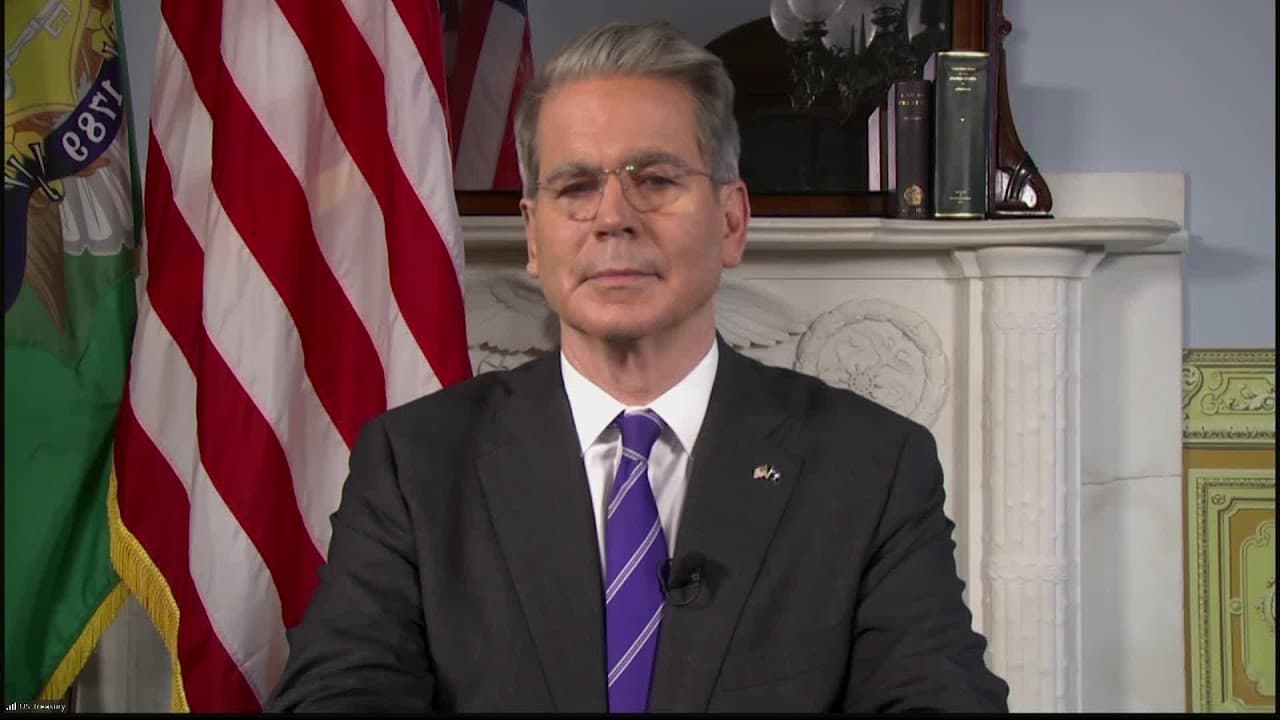
Treasury Secretary Scott Bessent emphasizes the bill's potential to drive economic growth and reduce taxes on Social Security and tips. The Treasury plans to manage financing needs by issuing more short-term debt. The bill also aims to maintain the U.S. dollar's status as the world's reserve currency by fostering economic growth and controlling inflation.
-
The bill is expected to pass, but critics worry about its impact on the national debt and social welfare programs. The administration is optimistic about upcoming trade deals that could benefit the U.S. economy. The Federal Reserve's independence is highlighted, despite President Trump's calls for significant interest rate cuts.
Read in Other Languages (beta)
Share This Summary 📚
Summarize YouTube Videos and Get Video Transcripts with 1-Click
Try YouTube Summary with ChatGPT & Claude or YouTube Transcript Generator
Explore More Summaries from Bloomberg Television 📚






Summarize YouTube Videos and Get Video Transcripts with 1-Click
Try YouTube Summary with ChatGPT & Claude or YouTube Transcript Generator