Soldier-Authors: The Iraq and Afghanistan Wars in New Works of Fiction
TL;DR
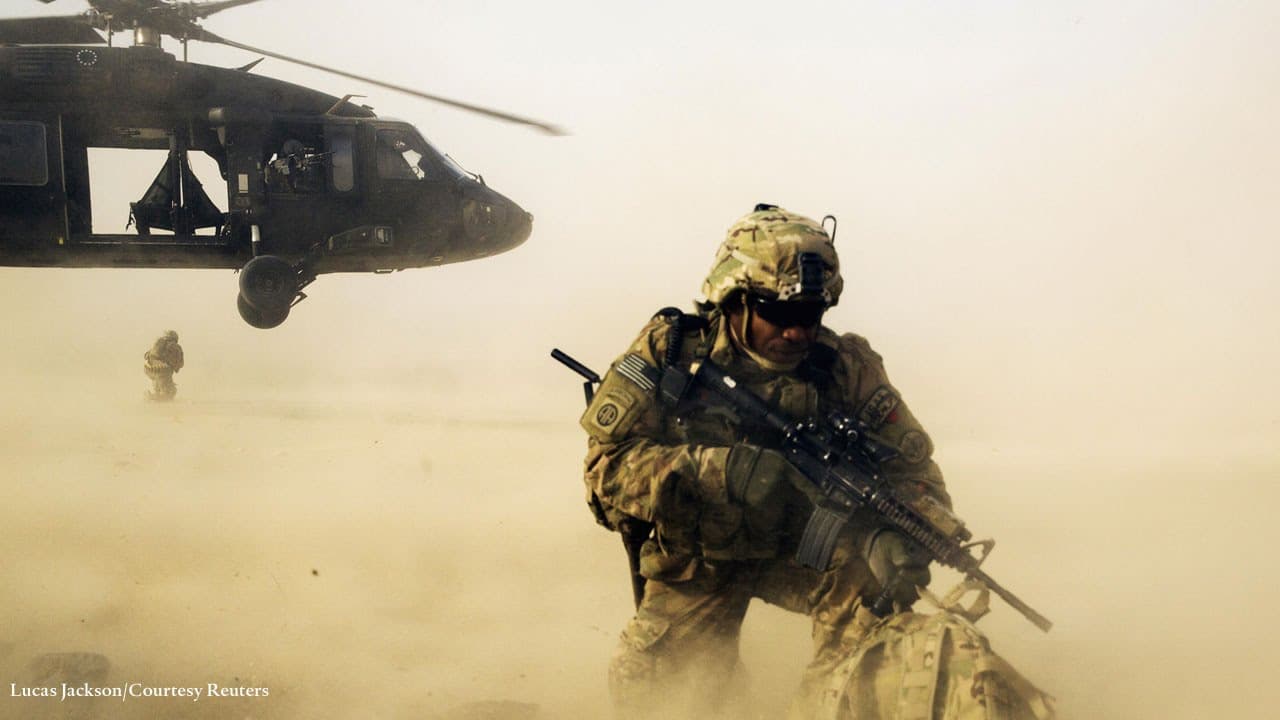
Veterans discuss motivations and insights in writing war fiction.
Transcript
GODWIN: Good evening. Welcome to Council on Foreign Relations. My name is Peter Godwin, and I'm going to be moderating the talk tonight. The title of the—the title of the talk, which I have here somewhere I think, is—oh, here it is, which I'm sure you have as well, is "Conveying War through Fiction: The Insight of Veterans." So, let me introduce ev... Read More
Key Insights
- The authors, all veterans, use fiction to convey the complexities of war, offering perspectives that go beyond traditional memoirs.
- Elliot Ackerman's novel is written from an Afghan soldier's perspective, reflecting his experiences advising Afghan troops.
- Matt Gallagher emphasizes storytelling as a means of understanding life, influenced by his family's literary background.
- Michael Pitre began writing as a way to process his experiences and insomnia post-service, focusing on the everyday realities of war.
- Fiction allows these authors to explore deeper societal and emotional textures that nonfiction might not fully capture.
- The authors discuss the significance of portraying local perspectives in their novels, reflecting the interconnectedness of their experiences with Iraqis and Afghans.
- They highlight the impact of an all-volunteer military on the narratives emerging from the Iraq and Afghanistan wars.
- The panelists express varying views on the future of their writing, with some feeling they have moved beyond writing about war.
Install to Summarize YouTube Videos and Get Transcripts
Explore YouTube Video Summarizer or Get YouTube Transcript Extractor
Questions & Answers
Q: What motivated the authors to write fiction instead of memoirs?
The authors chose fiction to explore deeper emotional and societal complexities that memoirs might not capture. Fiction allows them to tell broader stories, incorporate local perspectives, and delve into the nuances of war experiences beyond personal narratives.
Q: How do the authors address the portrayal of local perspectives in their novels?
The authors emphasize the importance of portraying local perspectives, reflecting the interconnectedness of their experiences with Iraqis and Afghans. This approach provides a more comprehensive understanding of the conflicts and distinguishes their work from previous war literature.
Q: What are the authors' views on the impact of an all-volunteer military?
The authors discuss how an all-volunteer military influences the narratives of the Iraq and Afghanistan wars. The choice to serve repeatedly and the personal motivations behind it add unique dimensions to their stories, distinguishing them from past war literature.
Q: How do the authors feel about continuing to write about war?
The authors express varying views on continuing to write about war. Some feel they have moved beyond it, while others acknowledge that their war experiences will always influence their writing, even if future works are not explicitly about war.
Q: What role does fiction play in conveying war realities according to the authors?
Fiction plays a crucial role in conveying the complexities and emotional truths of war that nonfiction might not fully capture. It allows the authors to explore broader societal impacts and personal experiences in a way that resonates with readers on a deeper level.
Q: How do the authors perceive the relationship between war literature and societal understanding?
The authors see war literature as a vital tool for societal understanding, offering insights into the human aspects of conflict. By incorporating diverse perspectives and emotional depth, their works contribute to a broader discourse on war's impact on individuals and societies.
Q: What are the authors' thoughts on the future of war literature?
The authors believe that war literature will continue to evolve, reflecting the unique experiences of contemporary conflicts. They acknowledge the importance of diverse voices and perspectives in shaping a comprehensive understanding of war in literature.
Q: How do the authors address the challenges of writing from different cultural perspectives?
The authors approach writing from different cultural perspectives with empathy and a commitment to authenticity. They aim to honor the voices and experiences of those they write about, acknowledging the responsibility that comes with telling stories from perspectives outside their own.
Summary & Key Takeaways
-
The panel discusses their motivations for writing war-related fiction, emphasizing the importance of storytelling in processing their military experiences. Fiction offers a way to explore complex emotions and societal impacts beyond the scope of traditional memoirs.
-
The authors highlight the significance of incorporating local perspectives in their narratives, reflecting the interconnectedness of their experiences with Iraqis and Afghans. This approach distinguishes their work from previous war literature.
-
The discussion touches on the broader implications of an all-volunteer military and the evolving narratives of war literature. The authors express varying views on continuing to write about war, with some feeling they have moved beyond it.
Read in Other Languages (beta)
Share This Summary 📚
Summarize YouTube Videos and Get Video Transcripts with 1-Click
Try YouTube Summary with ChatGPT & Claude or YouTube Transcript Generator
Explore More Summaries from Council on Foreign Relations 📚
Summarize YouTube Videos and Get Video Transcripts with 1-Click
Try YouTube Summary with ChatGPT & Claude or YouTube Transcript Generator