War in Gaza Update: The Rafah Incursion and Negotiations Over Hostage Release and Ceasefire
TL;DR
Experts discuss Rafah incursion, ceasefire negotiations, and U.S.-Israel relations.
Transcript
ROBBINS: Welcome, everybody, to today’s Council on Foreign Relations Virtual Media Briefing on the War in Gaza. I’m Carla Anne Robbins. I’m a senior fellow here at the Council, and I’m also co-host of the Council’s The World Next Week podcast. We’re very lucky today to be joined by two Council experts. They’re very well known to everyone, so ... Read More
Key Insights
- The Israeli incursion into Rafah is a strategic move to apply pressure on Hamas and possibly deter Iranian influence in the region.
- Ceasefire negotiations are complicated by Hamas's demands and Israel's refusal to halt military operations, making a deal unlikely.
- The Biden administration is facing criticism for withholding weapons from Israel, which may impact U.S.-Israel relations and influence perceptions of U.S. reliability among allies.
- There is a significant shift in U.S. political dynamics, with increasing calls within the Democratic Party to condition aid to Israel, reflecting changing public opinion.
- The Israeli public largely supports military operations in Rafah, with a strong consensus against a two-state solution, complicating international diplomatic efforts.
- The conflict in Gaza is part of a broader Iranian strategy in the Middle East, with implications for regional stability and U.S. security interests.
- The potential U.S.-Saudi-Israel normalization deal is complicated by Palestinian statehood issues, with little likelihood of success in the current political climate.
- The U.S. faces challenges in balancing its strategic interests in both the Middle East and Ukraine, with implications for global security and resource allocation.
Install to Summarize YouTube Videos and Get Transcripts
Explore YouTube Video Summarizer or Get YouTube Transcript Extractor
Questions & Answers
Q: What is the significance of the Israeli incursion into Rafah?
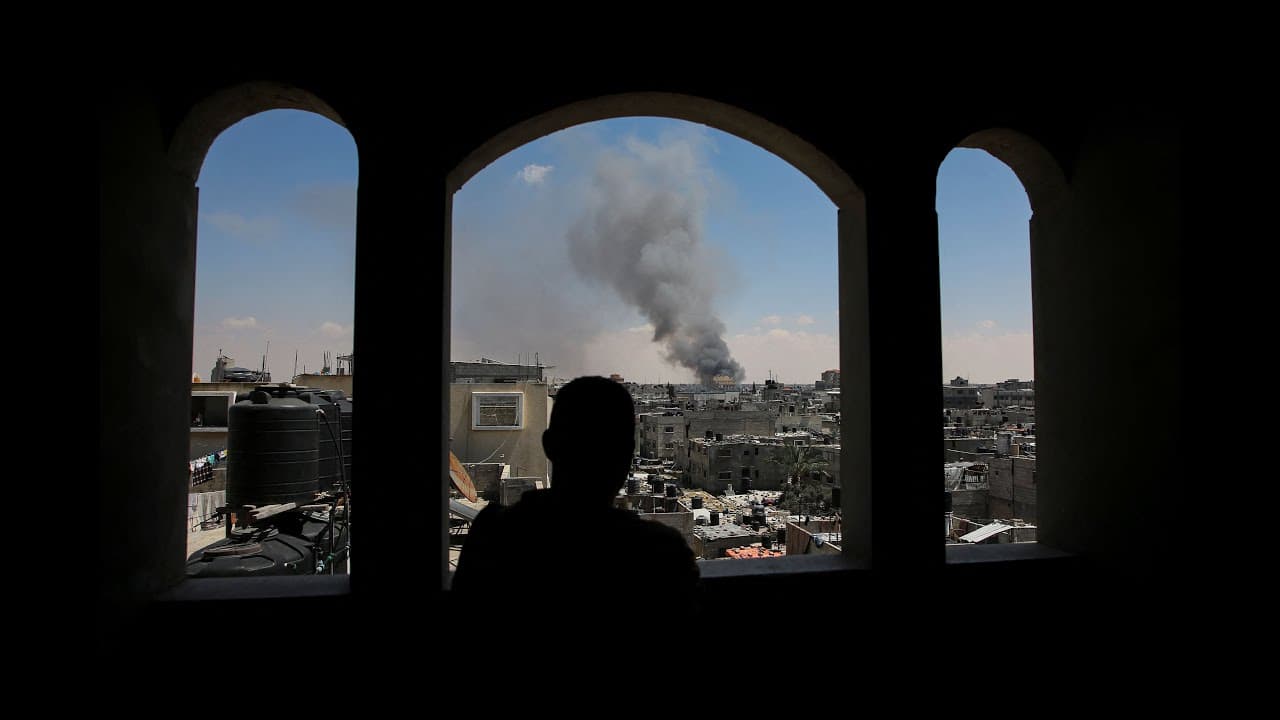
The Israeli incursion into Rafah is significant as it is intended to apply military pressure on Hamas, which Israel believes is necessary to secure the release of hostages and achieve its military objectives. Additionally, controlling Rafah is seen as crucial for preventing weapons smuggling and deterring Iranian influence in the region. The operation is part of a broader strategy to ensure that attacks like those on October 7 do not recur.
Q: How are ceasefire negotiations progressing?
Ceasefire negotiations are at a delicate stage, with significant challenges due to the opposing demands of Israel and Hamas. While the U.S. administration suggests that a deal is close, the core issue remains Hamas's insistence on an end to Israeli military operations in exchange for hostages, which Israel is unwilling to concede. The negotiations are further complicated by domestic political pressures on Israeli Prime Minister Netanyahu.
Q: What impact does withholding U.S. weapons have on Israel?
Withholding U.S. weapons shipments to Israel, such as JDAMs and bombs, is intended to pressure Israel regarding its military operations in Rafah. However, this decision may have unintended consequences, such as increasing civilian casualties due to the lack of precision-guided munitions. Additionally, it raises concerns among other U.S. allies about American reliability, potentially affecting broader geopolitical relationships.
Q: How does the conflict in Gaza relate to broader Middle Eastern dynamics?
The conflict in Gaza is part of a broader Iranian strategy to exert influence across the Middle East, including in Yemen, Syria, Iraq, and Lebanon. Iran's support for Hamas and its involvement in regional conflicts pose a strategic challenge for Israel and its allies. The situation is further complicated by Russia's cooperation with Iran, highlighting the interconnected nature of Middle Eastern geopolitics and its implications for global security.
Q: What are the challenges to U.S.-Saudi-Israel normalization talks?
Normalization talks between the U.S., Saudi Arabia, and Israel face significant hurdles, particularly regarding the status of Palestinian statehood. The U.S. has pushed for a time-limited pathway to a Palestinian state, which is unlikely to be accepted by the current Israeli government. Additionally, domestic political dynamics in the U.S. and Israel, as well as regional security concerns, further complicate the prospects for a successful agreement.
Q: How is the U.S. balancing its interests in the Middle East and Ukraine?
The U.S. is attempting to balance its strategic interests in both the Middle East and Ukraine, recognizing that both regions are critical to global security. While the conflict in Ukraine poses a direct challenge to European stability and U.S. interests, the Middle East remains a key area of concern due to Iranian influence and energy security. The U.S. aims to support allies in both regions without overextending its resources.
Q: What are the implications of changing U.S. domestic politics on its Israel policy?
U.S. domestic politics are increasingly influencing its policy towards Israel, with growing calls within the Democratic Party to condition aid based on Israel's actions in Gaza. This shift reflects changing public opinion and a more critical view of Israeli policies. The Biden administration must navigate these dynamics while maintaining strategic support for Israel, which remains a key ally in the region.
Q: How does Israeli domestic politics affect its military strategy in Gaza?
Israeli domestic politics play a significant role in shaping its military strategy in Gaza. Prime Minister Netanyahu faces pressure from both right-wing coalition partners and the broader Israeli public, which largely supports military operations in Rafah. While there is some room for maneuver in negotiations, the strong consensus against a two-state solution and the desire to prevent future attacks limit Netanyahu's options, complicating international diplomatic efforts.
Summary & Key Takeaways
-
The ongoing conflict in Gaza involves a complex interplay of military operations, ceasefire negotiations, and international diplomacy. Israel's planned incursion into Rafah aims to pressure Hamas while deterring Iranian influence. However, achieving a ceasefire remains challenging due to conflicting demands.
-
U.S.-Israel relations are strained as the Biden administration withholds weapons shipments, a move that may impact perceptions of U.S. reliability among global allies. Domestically, the U.S. political landscape is shifting, with growing calls to condition aid to Israel reflecting changing public opinion.
-
The potential U.S.-Saudi-Israel normalization deal faces significant hurdles, particularly regarding Palestinian statehood. Meanwhile, the U.S. must balance its strategic interests in both the Middle East and Ukraine, as both regions hold critical implications for global security.
Read in Other Languages (beta)
Share This Summary 📚
Summarize YouTube Videos and Get Video Transcripts with 1-Click
Try YouTube Summary with ChatGPT & Claude or YouTube Transcript Generator
Explore More Summaries from Council on Foreign Relations 📚


Summarize YouTube Videos and Get Video Transcripts with 1-Click
Try YouTube Summary with ChatGPT & Claude or YouTube Transcript Generator