How to Shrink Prostate: Effective 5-Step Guide
TL;DR
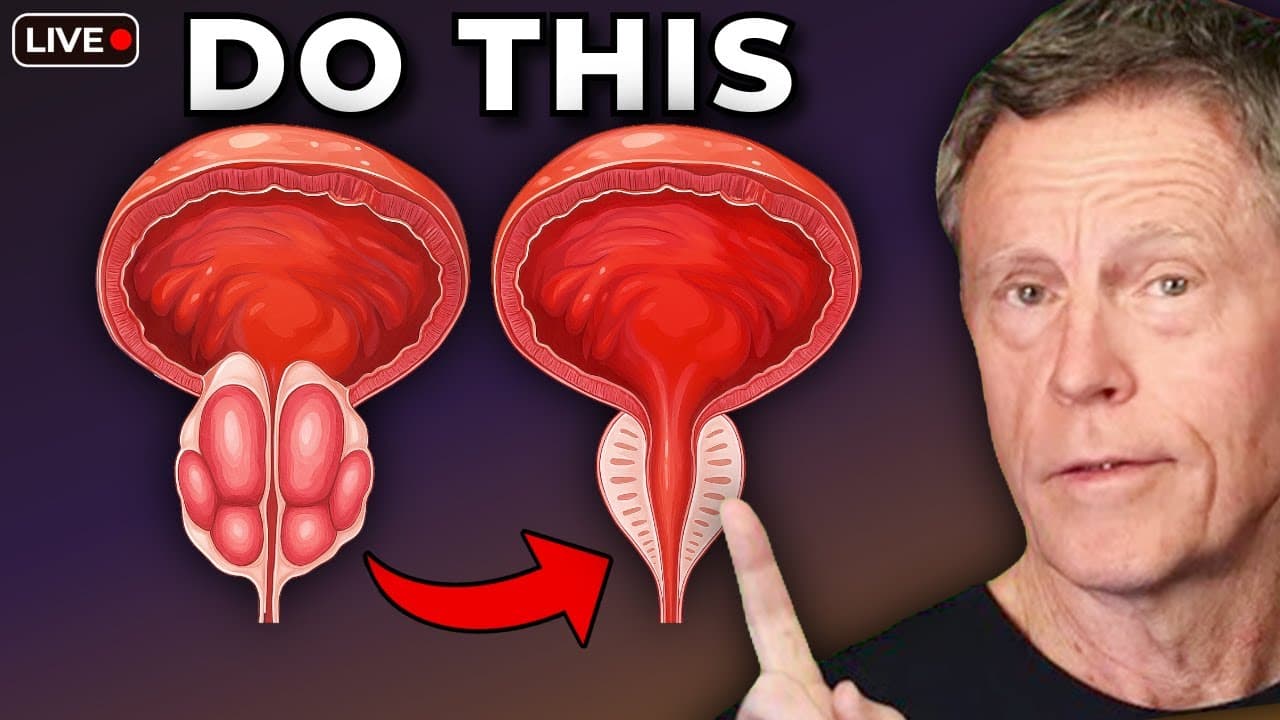
To shrink your prostate and alleviate symptoms, follow a five-step guide that includes moderate to intense exercise, dietary adjustments, and lifestyle changes. Exercise is key, reducing symptoms by up to 25%. Foods rich in zinc and lycopene, like lean meats and tomatoes, are beneficial. Consider supplements and medications as needed, but focus on overall metabolic health for long-term improvements.
Transcript
So, welcome. Picture this. You go to sleep. Uh you fall asleep and then wake up again in a couple of hours. Or if you're uh a female, you wake up a couple hours because your male partner woke you up. Um your wife, your husband woke you up. and the husband is waking you up because he's got to go pee. He's rushing to the bathroom. You get there. You'... Read More
Key Insights
- Exercise is crucial in reducing lower urinary tract symptoms and can decrease the risk of developing BPH by up to 25%.
- Zinc and lycopene-rich foods, such as lean meats and tomatoes, can improve symptoms and potentially reduce prostate size.
- Sitting while urinating and practicing double voiding can help alleviate symptoms by reducing bladder pressure.
- Supplements like saw palmetto, beta-sitosterol, and pumpkin seed extract may offer symptom relief, though results vary.
- Medications such as tamsulosin and tadalafil can help manage symptoms but may require adjustments for blood pressure.
- Surgical options like TURP and holmium laser enucleation are effective but may have significant side effects.
- Metabolic health is linked to prostate size and symptoms; managing glucose and insulin resistance is crucial.
- High insulin levels can stimulate prostate growth through increased IGF-1 and DHT, highlighting the importance of metabolic control.
Install to Summarize YouTube Videos and Get Transcripts
Explore YouTube Video Summarizer or Get YouTube Transcript Extractor
Questions & Answers
Q: How does exercise help in reducing prostate symptoms?
Exercise is a key factor in managing prostate symptoms because it reduces inflammation, improves metabolism, and strengthens pelvic muscles. Moderate to intense physical activity can decrease the risk of developing BPH and LUTS by up to 25%. It helps burn glucose and minimize oxidative stress, which are crucial in maintaining prostate health.
Q: What foods are beneficial for prostate health?
Foods rich in zinc and lycopene, such as lean meats, tomatoes, and red bell peppers, are beneficial for prostate health. These nutrients have been shown to improve lower urinary tract symptoms and may contribute to reducing prostate size. A balanced diet with these components can support overall prostate well-being.
Q: What lifestyle changes can help alleviate prostate symptoms?
Lifestyle changes such as sitting while urinating, practicing double voiding, and avoiding fluids a few hours before bedtime can help alleviate prostate symptoms. These practices reduce bladder pressure and improve urinary flow, contributing to better sleep and overall comfort.
Q: Are supplements effective for prostate health?
Supplements like saw palmetto, beta-sitosterol, and pumpkin seed extract may offer relief from prostate symptoms, but their efficacy varies. While some individuals report improvements, scientific evidence is mixed, and results can depend on personal health factors. Consulting with a healthcare provider is recommended before starting any supplement regimen.
Q: What medications are available for prostate issues?
Medications such as tamsulosin, tadalafil, and finasteride are commonly used to manage prostate symptoms. Tamsulosin relaxes prostate muscles, tadalafil improves urinary flow, and finasteride reduces prostate size by blocking DHT. These medications can be effective but may require careful management of blood pressure and other side effects.
Q: What are the surgical options for prostate enlargement?
Surgical options for prostate enlargement include TURP and holmium laser enucleation. TURP is the gold standard, removing up to 60% of prostate tissue with an 80-90% success rate but potential side effects. Holmium laser enucleation offers a less invasive alternative with similar effectiveness. Consultation with a urologist is essential for these procedures.
Q: How is metabolic health linked to prostate size?
Metabolic health is closely linked to prostate size and symptoms. High glucose levels, insulin resistance, and obesity can lead to enlarged prostates and increased symptoms. Managing these metabolic factors through diet and exercise is crucial for maintaining prostate health and reducing the risk of complications.
Q: What role do hormones play in prostate enlargement?
Hormones like insulin, IGF-1, and DHT play significant roles in prostate enlargement. High insulin levels stimulate IGF-1 and DHT production, leading to prostate growth. Managing hormone levels through improved metabolic health can help control prostate size and alleviate related symptoms.
Summary & Key Takeaways
-
Exercise is a powerful intervention for reducing prostate symptoms, with studies showing up to a 25% reduction in risk for BPH and LUTS. Regular moderate to intense physical activity is recommended.
-
Diet plays a significant role in managing prostate health. Foods high in zinc and lycopene, such as lean meats and tomatoes, can improve symptoms. Supplements may help, but results vary among individuals.
-
Medications and surgical options are available for prostate issues, but they come with potential side effects. Maintaining metabolic health through diet and exercise is essential for long-term prostate health.
Read in Other Languages (beta)
Share This Summary 📚
Summarize YouTube Videos and Get Video Transcripts with 1-Click
Try YouTube Summary with ChatGPT & Claude or YouTube Transcript Generator
Explore More Summaries from Dr. Ford Brewer 📚


Summarize YouTube Videos and Get Video Transcripts with 1-Click
Try YouTube Summary with ChatGPT & Claude or YouTube Transcript Generator