How Do Four Companies Control the US Beef Industry?
TL;DR
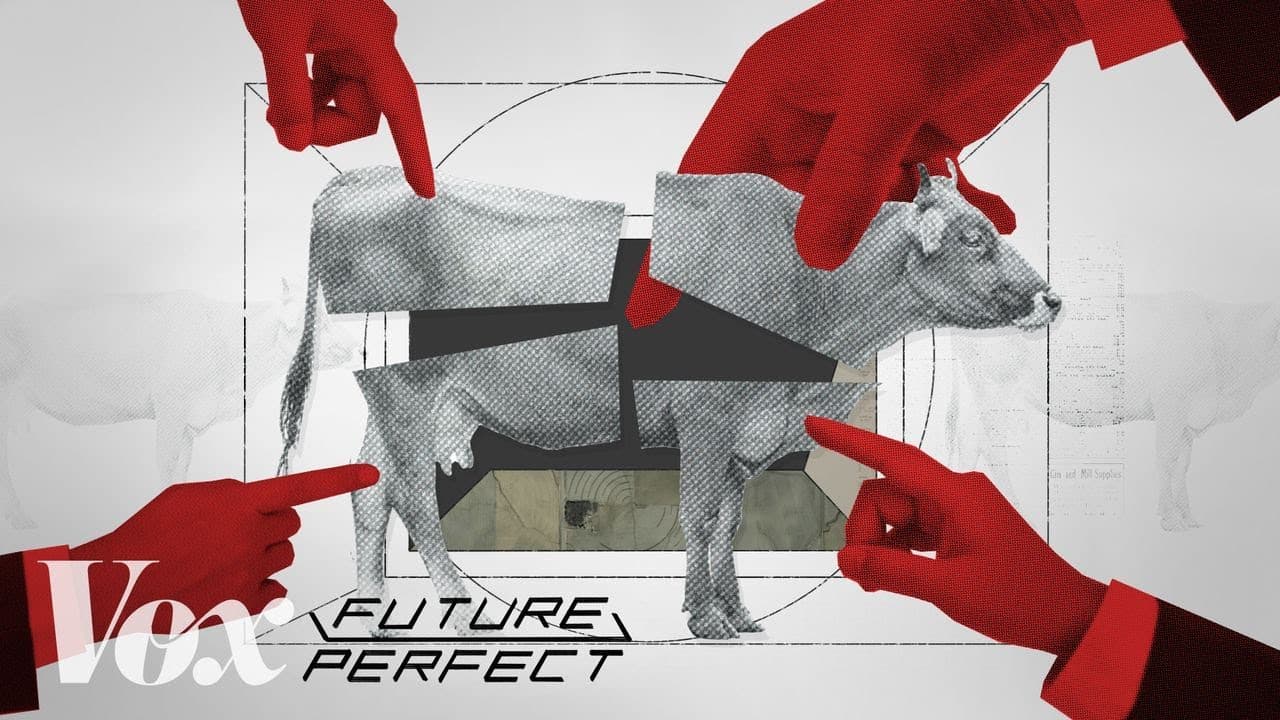
Four major companies—Tyson, JBS, Cargill, and National Beef—control 85% of the US beef market, leading to decreased competition and lower prices for ranchers. This consolidation has resulted in fewer cattle auctions, weakened antitrust enforcement, and significant challenges for small ranchers, many of whom have gone out of business as a result.
Transcript
Every Friday, ranchers around South Dakota bring their cattle here to this livestock auction just outside the small town of St.Onge to be sold by this man Justin Tupper, the owner and auctioneer at St. Onge Livestock. TUPPER: So, a lot of guys bringing in those cows. They're bringing them in for the normal sale day. St. Onge livestock is a fam... Read More
Key Insights
- The US beef industry is dominated by four major companies: Tyson, JBS, Cargill, and National Beef, which control 85% of the market, leading to reduced competition.
- Cattle auctions, like those in St. Onge, South Dakota, are essential for price discovery, but corporate consolidation has diminished their impact on the market.
- The Packers and Stockyards Act of 1921 was designed to ensure fair competition, but its effectiveness has waned due to relaxed antitrust enforcement since the 1980s.
- The lack of competition in the beef industry has led to lower prices for ranchers and higher prices for consumers, particularly during disruptions like the COVID-19 pandemic.
- Contract sales between feedlot owners and meatpackers bypass the traditional auction process, reducing price discovery and competitive bidding.
- Many small cattle ranchers have been forced out of business due to the dominance of large meatpacking companies, leading to a decline in rural family businesses.
- Proposed legislation aims to reduce contract sales and increase competition by encouraging more meatpacking companies to enter the market.
- The consolidation in the beef industry highlights broader issues of corporate power and its impact on independent farmers and rural economies.
Install to Summarize YouTube Videos and Get Transcripts
Explore YouTube Video Summarizer or Get YouTube Transcript Extractor
Questions & Answers
Q: What is the significance of cattle auctions in the beef industry?
Cattle auctions, like those in St. Onge, South Dakota, play a crucial role in the beef industry by facilitating price discovery. They allow multiple producers and buyers to compete for cattle, helping establish a fair market value. However, the dominance of a few large companies has reduced the impact of these auctions on overall market prices.
Q: How has corporate consolidation affected cattle ranchers?
Corporate consolidation in the beef industry has severely affected cattle ranchers by reducing competition and driving down prices for their cattle. With fewer buyers in the market, ranchers often receive lower bids, making it difficult to sustain their businesses. This has led to a significant decline in the number of small ranchers over the past few decades.
Q: What role do antitrust laws play in the beef industry?
Antitrust laws, like the Packers and Stockyards Act of 1921, were designed to ensure fair competition in the beef industry by preventing excessive market concentration. However, since the 1980s, enforcement of these laws has weakened, allowing major companies to consolidate power and reduce competition, adversely impacting small ranchers and consumers.
Q: Why are contract sales problematic for price discovery?
Contract sales between feedlot owners and meatpackers bypass the traditional auction process, which is essential for price discovery. By relying on contracts, the market loses the competitive bidding that helps establish fair prices. This lack of competition often results in lower prices for ranchers and reduces their bargaining power.
Q: What impact has the COVID-19 pandemic had on the beef industry?
The COVID-19 pandemic exposed vulnerabilities in the beef industry's supply chain, as multiple meatpacking plants shut down, leading to a bottleneck in processing. This situation allowed major companies to pay ranchers lower prices while charging consumers more, highlighting the risks of relying on a few large processors.
Q: How has the decline of small ranchers affected rural communities?
The decline of small ranchers has had a profound impact on rural communities, leading to the loss of family-owned businesses and economic decline. As large corporations dominate the market, fewer opportunities exist for independent ranchers, resulting in reduced economic activity and population decline in rural areas.
Q: What legislative measures are being proposed to address market concentration?
Proposed legislative measures to address market concentration in the beef industry include reducing the percentage of contract sales between feedlot owners and meatpackers and encouraging more meatpacking companies to enter the market. These measures aim to increase competition and support small ranchers by promoting fairer market practices.
Q: What is the broader significance of corporate consolidation in the beef industry?
Corporate consolidation in the beef industry reflects a broader trend of increasing corporate power and its detrimental effects on independent farmers and rural economies. It underscores the need for effective antitrust enforcement and policy interventions to ensure fair competition and protect small businesses from being driven out of the market.
Summary & Key Takeaways
-
The US beef industry has become highly concentrated, with four major companies controlling the majority of the market. This concentration has led to decreased competition and challenges for small ranchers trying to make a living.
-
Antitrust laws, once effective in maintaining fair competition, have been weakened over the years, allowing for significant corporate consolidation in the meatpacking industry. This has resulted in fewer competitive bids and lower prices for ranchers.
-
Proposed solutions to address the lack of competition in the beef industry include reducing contract sales and enforcing antitrust laws. These measures aim to support small ranchers and promote a more competitive market environment.
Read in Other Languages (beta)
Share This Summary 📚
Summarize YouTube Videos and Get Video Transcripts with 1-Click
Try YouTube Summary with ChatGPT & Claude or YouTube Transcript Generator
Explore More Summaries from Vox 📚



Summarize YouTube Videos and Get Video Transcripts with 1-Click
Try YouTube Summary with ChatGPT & Claude or YouTube Transcript Generator