Is talc safe?| Dr Dray
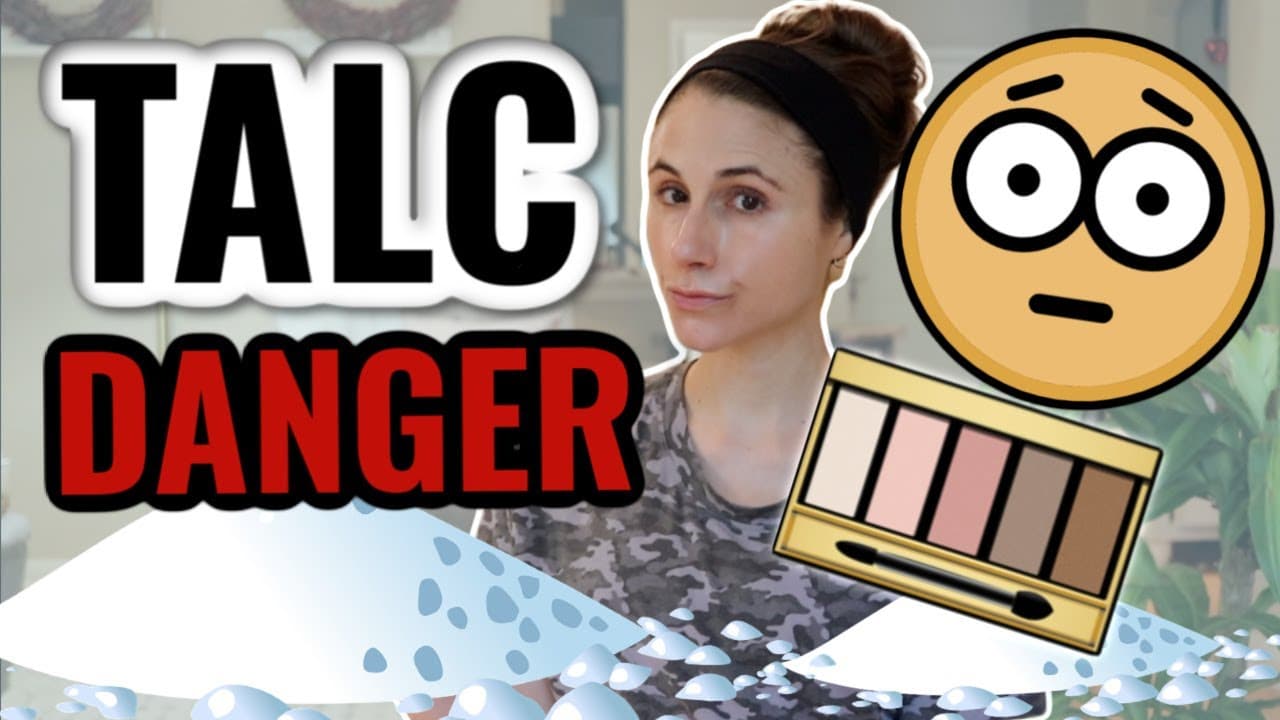
TL;DR
Talc in personal care products is generally well tolerated, with no epidemiologic evidence in the transcript showing that it causes ovarian cancer. Dr Dray advises avoiding talc on open wounds or abraded skin because rare granulomas can form, and avoiding inhalation of large quantities because serious lung injury is possible. Read on for practical details about its uses, exposure risks, and asbestos concerns.
Transcript
well hey guys in today's video I'm going to be talking about the controversial ingredient talc in personal care products including skincare as you all know two days ago Johnson & Johnson announced it would no longer be assembling talc based baby powder in the u.s. yeah this is in the wake of a lot of litigation against Johnson & Johnson about claim... Read More
Key Insights
- 😨 Talc is a commonly used ingredient in personal care products, known for its ability to provide a smooth finish, absorb oil, and prevent caking.
- 🥺 While talc is generally safe, applying it to abraded skin or inhaling large quantities can lead to adverse effects such as foreign body granulomas or lung complications.
- ♋ Concerns about the association between talc and ovarian cancer have not been supported by epidemiologic evidence.
- ⚾ Asbestos contamination in talc-based products is a potential risk, although regulatory testing is limited.
Install to Summarize YouTube Videos and Get Transcripts
Explore YouTube Video Summarizer or Get YouTube Transcript Extractor
Questions & Answers
Q: Is talc safe in personal care products?
Most people tolerate talc in personal care products with few or no side effects. Dr Dray identifies two main precautions: do not apply it to open or abraded skin, and do not inhale large quantities.
Q: What are the potential risks of using talc on the skin?
Talc can enter deeper skin layers when applied to an open wound or abraded skin and cause a foreign body granuloma. This complication is described as rare, but Dr Dray advises people with severe intertrigo and broken skin to avoid talc.
Q: Can inhaling talc damage the lungs?
Inhaling large volumes of talc can initially cause an asthma-like reaction and may lead to more serious lung injury. Such complications are mainly seen with occupational exposure to aerosolized talc and among people injecting substances adulterated with talc, rather than average consumers applying makeup.
Q: Does talcum powder cause ovarian cancer?
The transcript says there is no epidemiologic evidence of a causal association between talc exposure from personal care products and ovarian cancer. Although talc deposits have been reported in some ovaries, a review of the medical literature and epidemiologic studies found no association.
Q: Why was talc suspected of causing ovarian cancer?
The concern was that talcum powder placed in underwear might travel through the lower female genital tract and fallopian tubes to the ovaries, where irritation could potentially begin a harmful process. Reports of talc deposits in ovaries increased concern, but the transcript says this has not established causation.
Q: Why did Johnson & Johnson stop assembling talc-based baby powder in the U.S.?
Johnson & Johnson announced the change in the wake of litigation involving claims that talc raises ovarian cancer risk. The transcript also says the evidence presented to support causation in the collective litigation was ruled scientifically unsound.
Q: Why is talc used in skincare and makeup products?
Talc is a non-porous, chemically inert substance whose crystals slide past one another easily. In personal care products, it lubricates the skin, creates a silky finish, absorbs oil, and helps prevent caking.
Q: How can consumers use talc products more safely?
Avoid applying talc to open wounds, broken skin, or severely abraded areas, including skin affected by severe intertrigo. Also avoid inhaling large quantities, especially repeatedly, because substantial exposure can injure the lungs.
Summary & Key Takeaways
-
Johnson & Johnson has announced that they will no longer produce talc-based baby powder in the U.S. due to litigation and concerns about the association between talc and ovarian cancer.
-
Talc is a non-porous substance used in skincare and makeup products to provide lubrication, absorb oil, and prevent caking.
-
While most people tolerate talc well, there is a risk of adverse effects if applied to abraded skin or inhaled in large quantities.
Read in Other Languages (beta)
Share This Summary 📚
Summarize YouTube Videos and Get Video Transcripts with 1-Click
Try YouTube Summary with ChatGPT & Claude or YouTube Transcript Generator
Explore More Summaries from Dr Dray 📚


Summarize YouTube Videos and Get Video Transcripts with 1-Click
Try YouTube Summary with ChatGPT & Claude or YouTube Transcript Generator