The Slow-Carb Diet vs. ketogenic diet: what's best for you? | Tim Ferriss
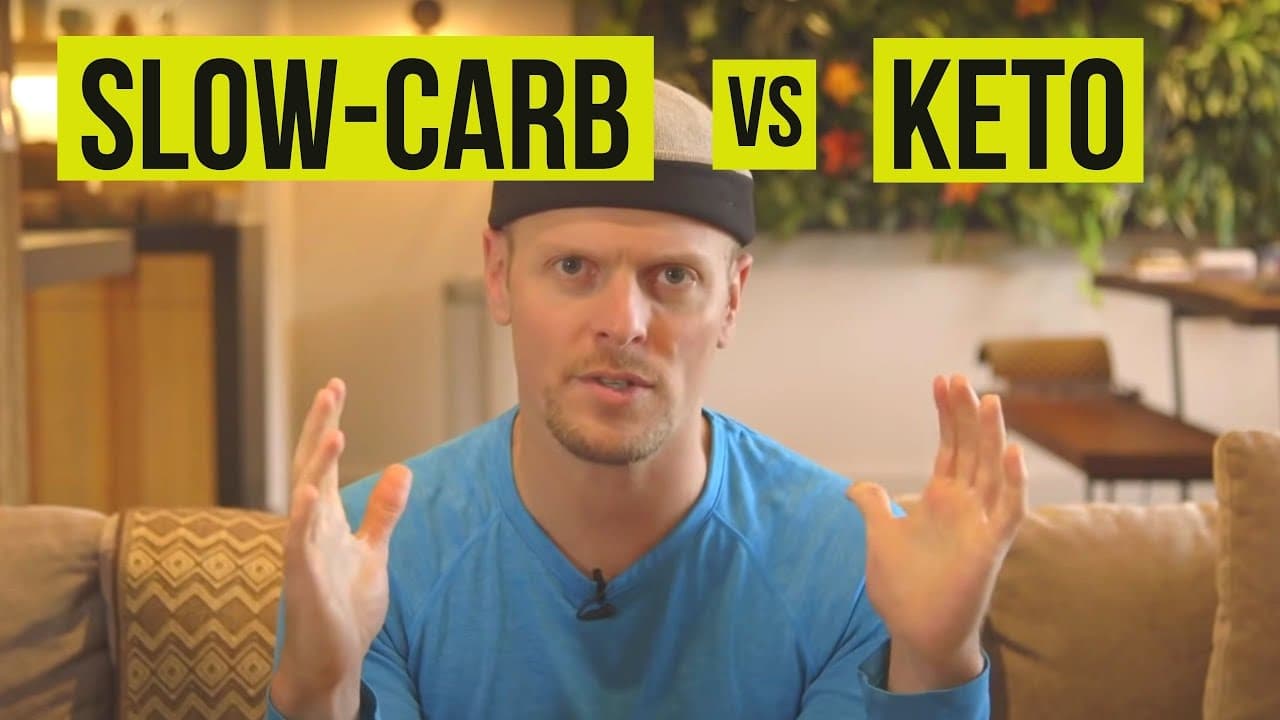
TL;DR
Slow-carb diet results include strong adherence and potential fat loss, with 70% to 80% of tracked people able to follow it for a month. Tim Ferriss recommends it for more than 90% of people and primarily follows it himself, while reserving ketosis for certain medical problems. Read on to compare results, compliance, and the risks of getting a ketogenic diet wrong.
Transcript
I'm asked quite a bit these days what should I follow meaning the person asking the question slow carb diet or ketogenic diet and I've talked a lot about ketosis and the ketogenic diet in tools of Titans on the podcast with people like Dom dagostino Dominic austino among others and various scientists and MDS here's the answer I think that for 90 pl... Read More
Key Insights
- 🥺 The slow carb diet has an 80% compliance rate and can lead to significant weight loss results.
- 😷 Ketosis and the ketogenic diet have strong anti-inflammatory effects and can improve cognitive function for certain medical conditions.
- 😘 Maintaining a state of ketosis requires strict adherence to a high-fat, low-carb, and low-protein diet.
- ☠️ The ketogenic diet may have a compliance rate of less than 10% as it is difficult and potentially boring to follow.
- 😒 Fasting and the use of exogenous ketones can also help achieve the benefits of ketosis and fasting has additional benefits such as triggering autophagy and deactivating mTOR.
- 👨 The slow carb diet may result in more significant fat loss compared to ketosis.
- 😷 Choosing between the slow carb diet and ketogenic diet ultimately depends on individual goals, compliance, and any existing medical conditions.
Install to Summarize YouTube Videos and Get Transcripts
Explore YouTube Video Summarizer or Get YouTube Transcript Extractor
Questions & Answers
Q: What slow-carb diet results can people expect?
The slow-carb diet can produce significant fat-loss results, although the transcript does not promise a specific amount. Its clearest measured result is adherence, with 70% to 80% of tracked people able to follow it for a month.
Q: Why does Tim Ferriss recommend the slow-carb diet for most people?
Tim Ferriss says the slow-carb diet is the better choice for more than 90% of people. He primarily follows it himself and estimates that it has an 80% compliance rate.
Q: How many people can follow the slow-carb diet for a month?
Based on close tracking of more than 200 people and observations of tens of thousands, Ferriss estimates that 70% to 80% can stick with the slow-carb diet for a month. He summarizes its overall compliance rate as approximately 80%.
Q: How do slow-carb and ketogenic diet compliance rates compare?
The slow-carb diet has an estimated compliance rate of about 80%. Fewer than 10% of people can follow a genuinely strict ketogenic diet for a month, according to Ferriss.
Q: When does Tim Ferriss use a ketogenic diet instead of slow carb?
Ferriss uses ketosis when he has a medical condition or problem that other approaches have not fixed. He says it helped mitigate cognitive decline and joint pain after antibiotic treatment for severe Lyme disease symptoms.
Q: Why is a ketogenic diet difficult to follow correctly?
Ketosis is binary, so a person is either in ketosis or not. Hidden sugar, some artificial sweeteners, or excessive protein can prevent ketosis, and Ferriss says more than 60% of people who attempt the diet will fail.
Q: What does a strict ketogenic diet require?
It requires carbohydrate and protein intake to remain low while fat supplies at least 75% of calories. Ferriss says blood ketones should reach 0.5 millimolar or higher, while some people experience clarity and euphoria at 1 millimolar or above.
Q: What happens if someone eats a high-fat diet without reaching ketosis?
Ferriss calls this arguably the worst possible diet because the person may consume 70% to 80% of calories from fat while still using glucose. He warns that blood lipid profiles and other blood markers can go far out of range.
Summary & Key Takeaways
-
The slow carb diet is recommended for 90% of the population, as it is easier to follow and has a higher compliance rate.
-
The ketogenic diet is most helpful for medical conditions, such as Lyme disease, Alzheimer's, and certain cancer treatments.
-
It can be difficult to get into and maintain a state of ketosis on the ketogenic diet, and it is easy to make mistakes that can affect the results.
Read in Other Languages (beta)
Share This Summary 📚
Summarize YouTube Videos and Get Video Transcripts with 1-Click
Try YouTube Summary with ChatGPT & Claude or YouTube Transcript Generator
Explore More Summaries from Tim Ferriss 📚






Summarize YouTube Videos and Get Video Transcripts with 1-Click
Try YouTube Summary with ChatGPT & Claude or YouTube Transcript Generator