How to Avoid Daily Habits That Lower Testosterone
TL;DR
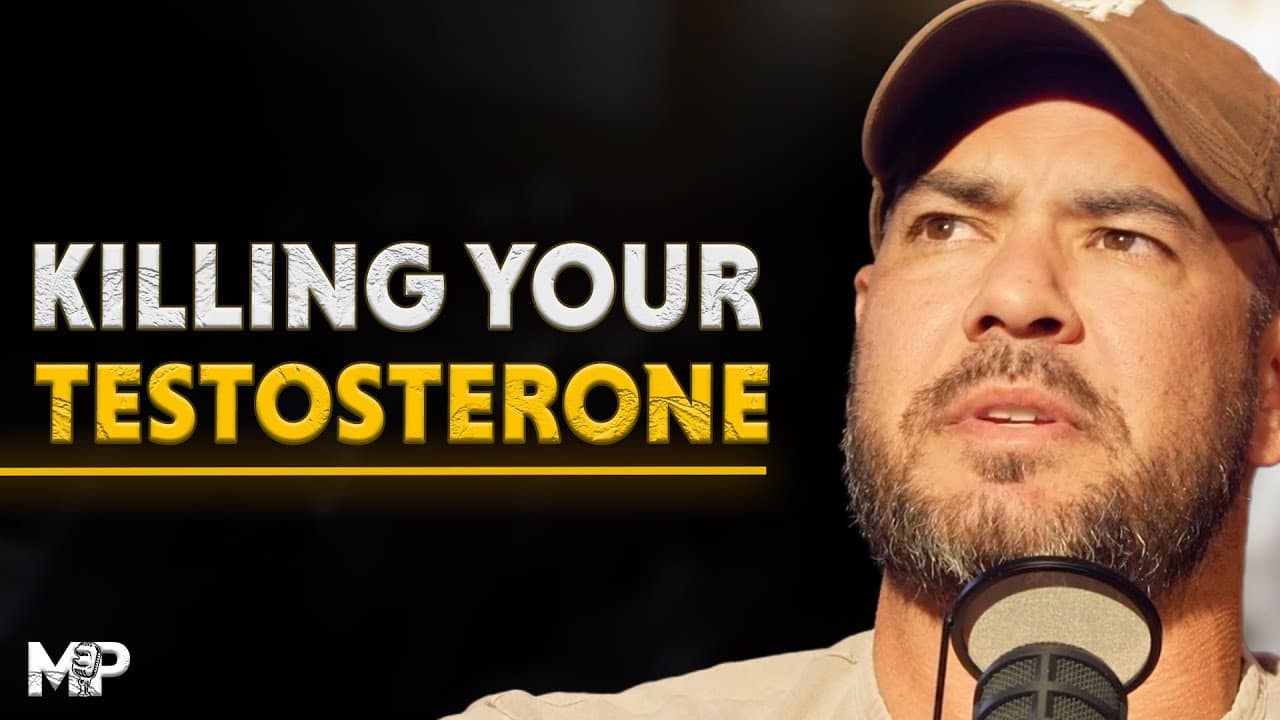
Low testosterone can lead to decreased libido, energy, and muscle mass, along with increased body fat. Key factors that can lower testosterone include poor sleep, caloric restriction, and sedentary lifestyle. Improving sleep quality, maintaining a balanced diet, and staying active can help maintain healthy testosterone levels.
Transcript
Fellas, low testosterone sucks. Low libido, low energy, low motivation, zero gains, no muscle. You even gain more body fat. Did you know there's six ways that you can destroy your testosterone? One of them you're probably doing right now. So, stop doing it. Get your testosterone up where it should be. We're going to talk about the six ways backed b... Read More
Key Insights
- Poor sleep significantly lowers testosterone levels, with chronic deprivation reducing it by up to 50%.
- Caloric restriction, especially severe or chronic, can decrease testosterone by 10-50%.
- Sedentary lifestyles can reduce testosterone by up to 30%. Regular physical activity is essential.
- Endurance running may lower testosterone levels similar to sedentary individuals, as an adaptive response.
- Vitamin D and zinc deficiencies are common and can significantly impact testosterone levels.
- Natural testosterone is reactive to environmental stimuli, affecting motivation and mood.
- High testosterone levels are not linked to aggression but rather assertiveness and emotional stability.
- Balanced hormone profiles are crucial for optimal body composition and overall health.
Install to Summarize YouTube Videos and Get Transcripts
Explore YouTube Video Summarizer or Get YouTube Transcript Extractor
Questions & Answers
Q: How does poor sleep affect testosterone levels?
Poor sleep can significantly lower testosterone levels. Chronic sleep deprivation can reduce testosterone by up to 50%. Even a single night of poor sleep can lower levels by 15%. Ensuring adequate and quality sleep is crucial for maintaining healthy testosterone levels.
Q: What is the impact of caloric restriction on testosterone?
Caloric restriction, especially when severe or prolonged, can decrease testosterone levels by 10-50%. Short-term severe restriction can reduce levels by 10-20%, while chronic under-eating can have even more significant effects. Maintaining a balanced diet is important for hormone health.
Q: How does a sedentary lifestyle affect testosterone?
A sedentary lifestyle can reduce testosterone levels by up to 30%. Even short-term inactivity can cause a 15% reduction. Regular physical activity is essential for maintaining healthy testosterone levels and overall well-being.
Q: Can endurance running lower testosterone levels?
Yes, endurance running can lower testosterone levels. Studies have shown that long-term endurance runners can have testosterone levels similar to sedentary individuals, with reductions of up to 41%. This is believed to be an adaptive response to enhance endurance performance.
Q: How do vitamin D and zinc affect testosterone?
Vitamin D and zinc deficiencies are common and can significantly impact testosterone levels. Mild vitamin D deficiency can reduce testosterone by 15%, while chronic deficiency can lower it by 30%. Zinc is essential for testosterone production, with chronic deficiency potentially reducing levels by 40-70%.
Q: Is high testosterone linked to aggression?
High testosterone is not linked to aggression. Instead, it is associated with assertiveness and emotional stability. Low testosterone can lead to aggressive and antisocial behavior. Maintaining balanced hormone levels is important for emotional well-being.
Q: Why is a balanced hormone profile important?
A balanced hormone profile is crucial for optimal body composition, energy levels, and overall health. Imbalances can lead to issues like increased body fat, decreased muscle mass, and mood disturbances. Addressing lifestyle factors can help maintain hormonal balance.
Q: How does testosterone react to environmental stimuli?
Testosterone is reactive to environmental stimuli, affecting motivation and mood. For example, winning a game or being in the presence of an attractive person can cause a temporary spike in testosterone. Understanding these dynamics can help in managing and optimizing hormone levels.
Summary & Key Takeaways
-
Low testosterone affects energy, libido, and body composition. Factors like poor sleep, caloric restriction, and lack of physical activity can significantly lower testosterone levels. Addressing these through lifestyle changes can help maintain healthy levels.
-
Deficiencies in vitamin D and zinc are common and can impact testosterone. Ensuring adequate intake of these nutrients is crucial.
-
Understanding testosterone's role in mood and motivation is essential. High levels are linked to assertiveness and stability, not aggression.
Read in Other Languages (beta)
Share This Summary 📚
Summarize YouTube Videos and Get Video Transcripts with 1-Click
Try YouTube Summary with ChatGPT & Claude or YouTube Transcript Generator
Explore More Summaries from Mind Pump Show 📚




Summarize YouTube Videos and Get Video Transcripts with 1-Click
Try YouTube Summary with ChatGPT & Claude or YouTube Transcript Generator