How to Manage Burnout with Nervous System Insights
TL;DR
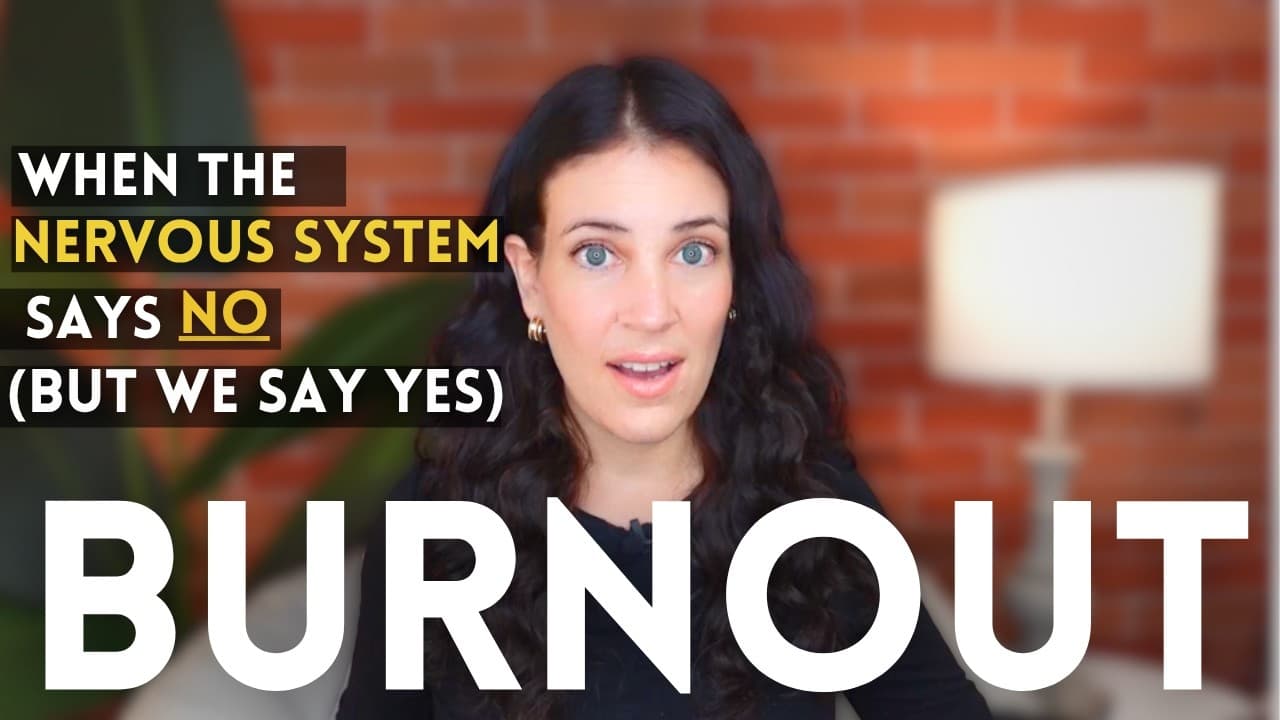
Burnout isn't just about overworking; it's often tied to how our nervous system responds to our activities. Understanding the underlying purpose and alignment of our actions can prevent burnout. By listening to our body's signals and aligning goals with intrinsic motivations, we can maintain energy and avoid exhaustion.
Transcript
Hey guys, I'm Heidi Prib. Welcome back to my channel or welcome if you're new here. This week on this channel, we are talking about nervous system regulation. And today in particular, we're going to be doing a deep dive on burnout. Now, this is a video I've been wanting to make for years because for a lot of my own life, I struggled really intently... Read More
Key Insights
- Burnout is not solely about workload but how our nervous system responds to tasks.
- Purpose and meaning in work can mitigate burnout by providing motivation.
- Aligning personal goals with intrinsic motivations reduces burnout risk.
- Feeling out of place or inauthentic in work can lead to burnout.
- Burnout can occur even with less work if tasks lack personal significance.
- Physical limitations can cause burnout, but misalignment with goals is another factor.
- Regularly reassessing goals and personal alignment can prevent burnout.
- Listening to the body's signals and adjusting accordingly helps manage burnout.
Install to Summarize YouTube Videos and Get Transcripts
Explore YouTube Video Summarizer or Get YouTube Transcript Extractor
Questions & Answers
Q: How does the nervous system influence burnout?
The nervous system influences burnout by reacting to the activities we engage in and the thoughts we have about them. When our actions are misaligned with our intrinsic motivations or when we resist our experiences, the nervous system becomes stressed, leading to burnout. Recognizing and aligning with the body's signals can help manage and prevent burnout.
Q: What role does purpose play in preventing burnout?
Purpose plays a critical role in preventing burnout by providing motivation and clarity in our actions. When tasks have a clear purpose, such as supporting a family or achieving personal goals, they offer intrinsic motivation that can sustain energy levels and reduce the likelihood of burnout, even in demanding situations.
Q: How can misalignment with personal goals lead to burnout?
Misalignment with personal goals can lead to burnout when our actions or career paths do not resonate with our intrinsic motivations or values. This misalignment creates resistance within the nervous system, causing stress and exhaustion, even if the workload is not excessive. Regularly reassessing and realigning goals with personal values can prevent this type of burnout.
Q: Why is authenticity important in preventing burnout?
Authenticity is important in preventing burnout because being true to oneself in professional and personal environments reduces stress and promotes well-being. When individuals feel they must mask their true selves or act inauthentically, it creates internal conflict and stress, leading to faster burnout. Ensuring authenticity aligns with personal and professional goals can mitigate this risk.
Q: Can burnout occur with less work if tasks lack significance?
Yes, burnout can occur even with less work if the tasks lack personal significance or meaning. When work feels high effort but low in meaning, it can lead to exhaustion and burnout, regardless of the workload. Finding purpose and aligning tasks with personal values can help maintain energy and prevent burnout.
Q: What are the signs that a goal might lead to burnout?
Signs that a goal might lead to burnout include feeling persistently stressed or exhausted, lacking motivation, and experiencing resistance to tasks. If pursuing a goal requires frequent sacrifices of personal values or authenticity, it may lead to burnout. Regularly checking in with personal motivations and ensuring alignment with goals can help mitigate these risks.
Q: How can taking breaks help manage burnout?
Taking genuine breaks helps manage burnout by allowing the nervous system to rest and recover without stress. Breaks should be free from work-related thoughts and expectations to provide true relaxation. This practice reduces stress, prevents exhaustion, and supports long-term productivity and well-being by keeping the nervous system balanced.
Q: What should be considered when setting sustainable goals?
When setting sustainable goals, consider aligning them with intrinsic motivations and ensuring the process is enjoyable, not just the outcome. Goals should resonate with personal values and allow for authenticity. Regular reassessment and adaptation to changing personal circumstances can ensure goals remain sustainable and prevent burnout.
Summary & Key Takeaways
-
Burnout is influenced by more than just workload; it's about how our nervous system reacts to our tasks. Finding purpose and meaning in our work can reduce burnout by providing motivation and clarity. Aligning personal goals with intrinsic motivations and reassessing them regularly can significantly decrease the risk of burnout.
-
Feeling out of place or needing to mask authenticity in professional environments can accelerate burnout, even with fewer working hours. It's crucial to reassess personal goals and ensure they align with both personal values and the body's signals to maintain energy and prevent exhaustion.
-
Listening to the body's signals and adjusting our actions accordingly plays a vital role in managing burnout. Taking genuine breaks and allowing the mind to rest without stress can prevent the nervous system from becoming overwhelmed, ultimately helping to maintain long-term productivity and well-being.
Read in Other Languages (beta)
Share This Summary 📚
Summarize YouTube Videos and Get Video Transcripts with 1-Click
Try YouTube Summary with ChatGPT & Claude or YouTube Transcript Generator
Explore More Summaries from Heidi Priebe 📚




Summarize YouTube Videos and Get Video Transcripts with 1-Click
Try YouTube Summary with ChatGPT & Claude or YouTube Transcript Generator