Can we get rid of Covid-19 forever?
TL;DR
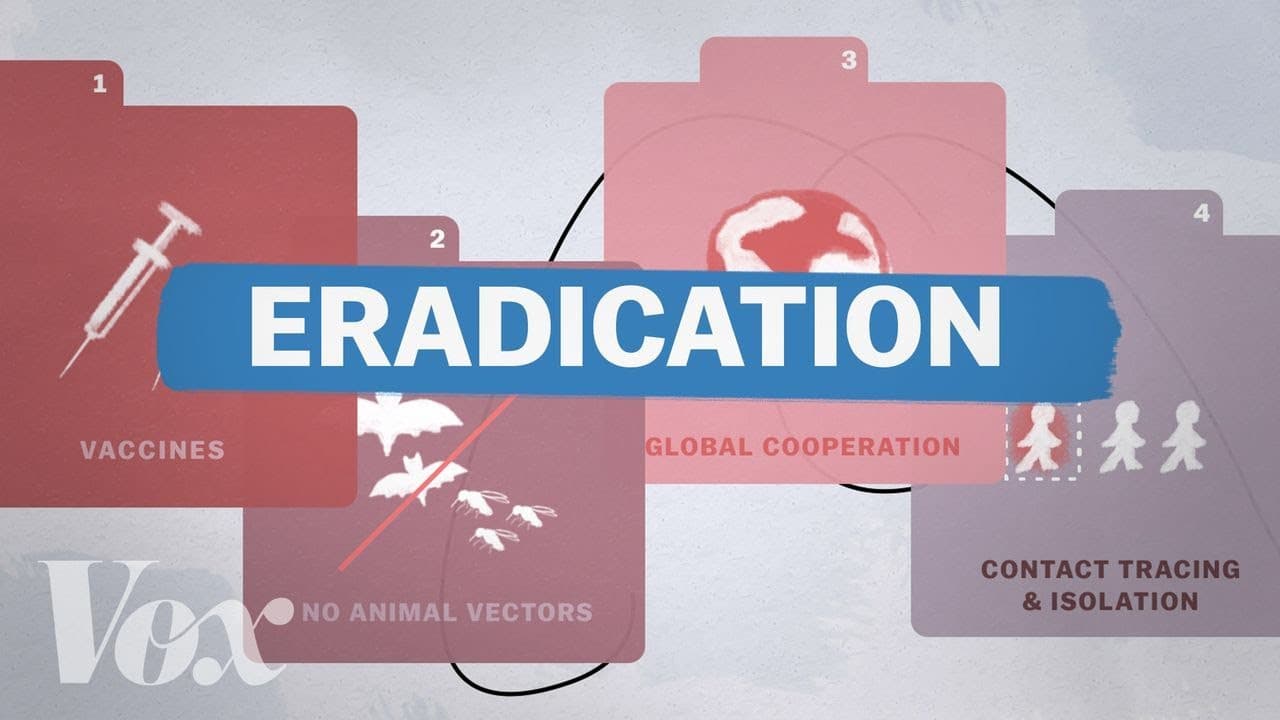
Covid-19 is unlikely to be eradicated because it can spread before symptoms appear, some infected people never develop symptoms, and animal-to-human transmission could reintroduce the virus. Smallpox, by contrast, spread only between humans and was eliminated through global vaccination, contact tracing, isolation, and ring vaccination. Covid-19 will more likely be controlled through vaccines and public health measures, so read on to understand why the two diseases demand different strategies.
Transcript
In 2020, if a person contracted Covid-19, on average, they would spread it to two or three other people. Those two or three other people would, on average, spread it to another two or three. And so on, and so on. One out of every 200 people who became infected died. In one year, this virus killed over two million people worldwide. Now let’s back up... Read More
Key Insights
- Smallpox was eradicated due to a global vaccination effort, as it only spread human-to-human with no animal vectors.
- Edward Jenner's development of the smallpox vaccine in the late 1700s was pivotal in combating the disease.
- Smallpox eradication required a global effort coordinated by the WHO, utilizing strategies like ring vaccination.
- Covid-19 spreads more easily due to asymptomatic transmission and potential animal vectors, complicating eradication efforts.
- Nationalist approaches to pandemic management have hindered global cooperation and equitable vaccine distribution.
- Covid-19 may become endemic, managed through vaccination and public health measures, similar to the flu.
- The pandemic highlights the need for better preparedness for future, potentially more severe, disease outbreaks.
- The eradication of smallpox demonstrates human capability for global health initiatives, but Covid-19 shows current vulnerabilities.
Install to Summarize YouTube Videos and Get Transcripts
Explore YouTube Video Summarizer or Get YouTube Transcript Extractor
Questions & Answers
Q: Can we get rid of Covid-19 forever?
Covid-19 is not a good candidate for eradication because it can spread before symptoms appear, some infected people remain asymptomatic, and the virus could potentially pass from animals to humans again. The transcript suggests a more likely outcome is controlling it through vaccination and ongoing management.
Q: Why is Covid-19 harder to eradicate than smallpox?
Smallpox spread only from humans to humans, and infected people transmitted it while showing symptoms. Covid-19 can spread before symptoms develop or from people who never develop symptoms, making cases harder to trace and isolate; its potential animal reservoir also creates a route for reintroduction.
Q: How was smallpox eradicated?
The World Health Organization established a unified eradication plan in 1967, coordinating vaccination campaigns around the world. When vaccinating everyone proved difficult, public health teams isolated infected people and used contact tracing and ring vaccination; the WHO declared smallpox eradicated on May 8th, 1980.
Q: What is ring vaccination?
Ring vaccination focuses on an infected person and the people around them instead of trying to vaccinate everyone at once. Officials isolate the infected individual, vaccinate their contacts, and then vaccinate those contacts’ contacts, creating a buffer of immunity between the infection and society.
Q: What role did Edward Jenner play in fighting smallpox?
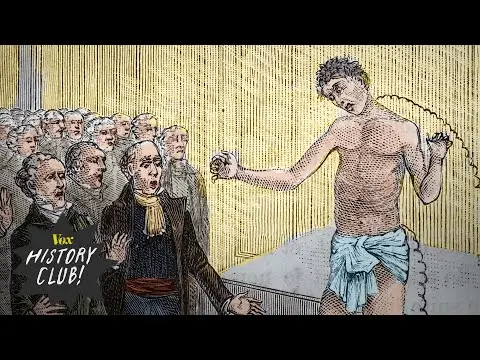
In the late 1700s, Edward Jenner developed a safer way to gain immunity against smallpox and called it vaccination. The vaccine reached the Americas within five years and Asia within ten, eventually helping to reduce cases drastically.
Q: Why does asymptomatic transmission make Covid-19 difficult to control?
A person with Covid-19 can be contagious for days before showing symptoms, and some people never develop symptoms. That makes it difficult to trace the virus or isolate someone who does not realize they are infected.
Q: How has unequal vaccine distribution affected efforts to control Covid-19?
Richer countries bought up vaccine supplies while poorer nations were left behind, allowing the virus to spread unchecked in more places. More spread gives the virus additional opportunities to mutate, and emerging variants can put the entire world at risk.
Q: What could happen if Covid-19 becomes endemic?
Covid-19 could remain present while being managed through vaccination, possibly including an annual vaccine like the flu. As adults and vulnerable populations build immunity, it might remain always around but rarely develop into anything more severe than a common cold.
Summary & Key Takeaways
-
Smallpox was eradicated through a global effort led by the World Health Organization, using vaccination and strategies like ring vaccination. It spread only human-to-human, making it a viable candidate for eradication.
-
Covid-19 spreads more easily due to asymptomatic carriers and potential animal vectors, making eradication challenging. Nationalist approaches and unequal vaccine distribution further complicate global efforts.
-
Covid-19 is expected to become endemic, managed with vaccines and public health measures. The pandemic underscores the need for better global cooperation and preparedness for future disease threats.
Read in Other Languages (beta)
Share This Summary 📚
Summarize YouTube Videos and Get Video Transcripts with 1-Click
Try YouTube Summary with ChatGPT & Claude or YouTube Transcript Generator
Explore More Summaries from Vox 📚


Summarize YouTube Videos and Get Video Transcripts with 1-Click
Try YouTube Summary with ChatGPT & Claude or YouTube Transcript Generator