Crisis in Central African Republic: Three Things to Know
TL;DR
The CAR crisis is more political than religious, risking regional spillover.
Transcript
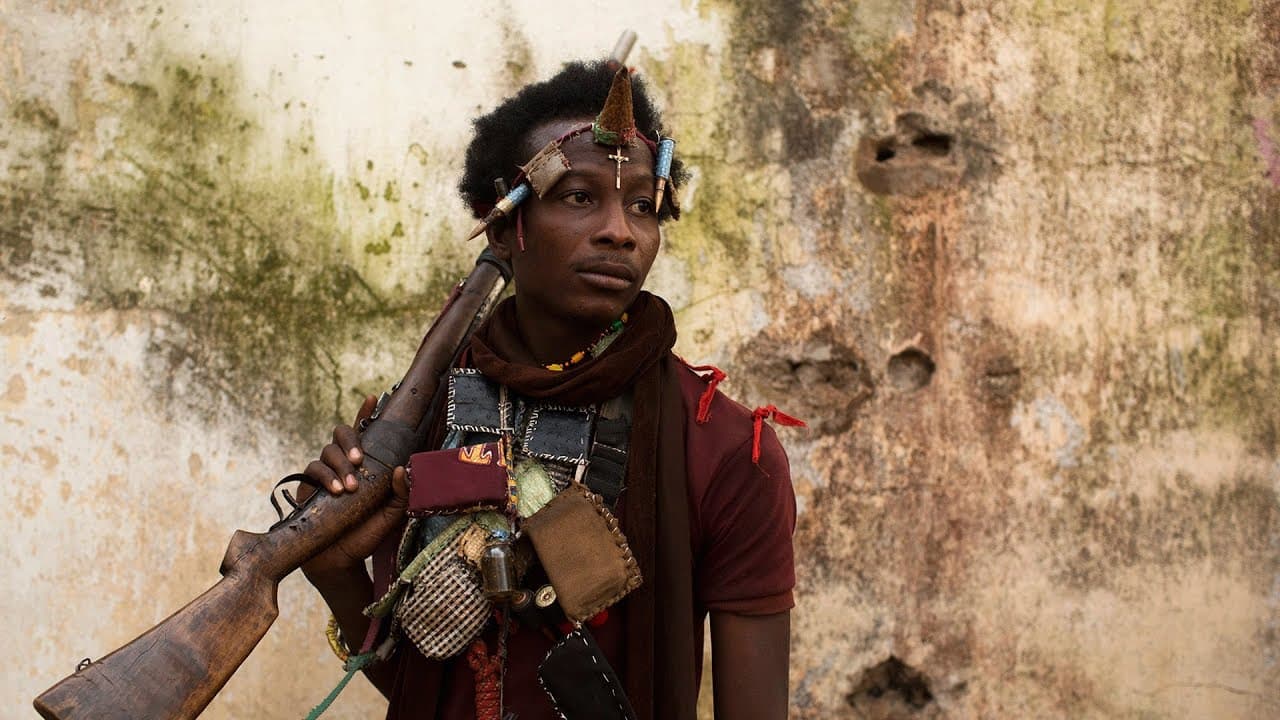
The crisis in Central African Republic, which began in March last year and has continued to simmer since, has flared up once again. The interim leaders have stepped down and the UN warns of a risk of genocide, unless there is a massive scaling up in the international response to the crisis. There are three things you need to know about the violence... Read More
Key Insights
- The Central African Republic crisis, starting in March 2013, escalates with interim leaders stepping down and genocide warnings from the UN.
- The conflict is not primarily religious but has political roots with leaders Bozize and Djotodia struggling for power, escalating into religious tensions.
- Christian and Muslim communities have formed militias, but religious leaders urge against using religion as a pretext for violence.
- The weak national government and porous borders increase the risk of the conflict spilling into neighboring countries, threatening regional stability.
- Neighboring countries, including Chad, have historically interfered in CAR politics, and the current crisis is no exception.
- The Economic Community of Central African States is actively involved in efforts to prevent the crisis from spreading.
- A strong, neutral interim government is essential for peace, drawing on successful examples from Namibia and Kosovo.
- The CAR's lack of resources and infrastructure, coupled with a fractured national unity, necessitates international support for stabilization.
Install to Summarize YouTube Videos and Get Transcripts
Explore YouTube Video Summarizer or Get YouTube Transcript Extractor
Questions & Answers
Q: What are the main causes of the Central African Republic crisis?
The crisis in the Central African Republic is primarily rooted in political struggles rather than religious differences. The conflict began with a power struggle between Francois Bozize and Michel Djotodia, which later escalated into religious tensions as Christian and Muslim communities formed militias. Despite the religious rhetoric, the underlying issues are political and economic.
Q: How has the conflict in the Central African Republic evolved over time?
The conflict started in March 2013 with political struggles between Bozize and Djotodia. Over time, it evolved into religious tensions as militias formed along religious lines. Despite the religious overtones, the conflict remains fundamentally political, with leaders and religious figures urging against using religion as a justification for violence.
Q: What are the risks of the Central African Republic crisis spilling over into neighboring countries?
The weak national government and porous borders of the Central African Republic increase the risk of the conflict spilling over into neighboring countries. Refugees are already crossing borders, and there's a history of neighboring countries, such as Chad, interfering in CAR politics. The Economic Community of Central African States is actively working to prevent regional destabilization.
Q: What role does the Economic Community of Central African States play in the crisis?
The Economic Community of Central African States plays a crucial role in resolving the crisis in the Central African Republic. They have taken a lead in efforts to prevent the conflict from spreading to neighboring countries, emphasizing the need for a strong, neutral interim government to stabilize the region and address the political and economic roots of the conflict.
Q: Why is a neutral interim government important for peace in the Central African Republic?
A neutral interim government is essential for peace in the Central African Republic because it can provide stability and rebuild national unity. The current government is weak, with limited resources and infrastructure. Drawing on successful examples from Kosovo and Namibia, such a government can address the political and economic issues at the root of the conflict.
Q: What challenges does the Central African Republic face in achieving peace?
The Central African Republic faces several challenges in achieving peace, including a weak national government, limited resources, and a lack of infrastructure. The ongoing conflict has fractured national unity, and there is a risk of the crisis spilling over into neighboring countries. A strong, neutral interim government and international support are crucial for stabilization.
Q: How have religious leaders responded to the conflict in the Central African Republic?
Religious leaders in the Central African Republic have urged against using religion as a justification for violence. Despite the formation of militias along religious lines, the leaders emphasize that the conflict is not fundamentally religious. They call for addressing the political and economic issues at the root of the crisis, promoting peace and reconciliation among communities.
Q: What historical examples support the need for an international transitional administration in the Central African Republic?
Historical examples like Namibia and Kosovo support the need for an international transitional administration in the Central African Republic. In these cases, neutral interim governments helped stabilize the regions, rebuild infrastructure, and restore national unity. Such an administration in CAR could address the political and economic issues fueling the conflict and prevent regional spillover.
Summary & Key Takeaways
-
The crisis in the Central African Republic, which began in March 2013, has intensified, with interim leaders resigning and the UN warning of potential genocide. The conflict is rooted in political struggles between Francois Bozize and Michel Djotodia, which have evolved into religious tensions.
-
Despite religious rhetoric, the conflict in CAR is fundamentally political, with both Christian and Muslim communities forming militias. Religious leaders on both sides discourage using religion as a justification for violence, emphasizing the need to address political and economic issues.
-
The weak CAR government and porous borders pose a risk of the conflict spilling into neighboring countries. The Economic Community of Central African States is working to prevent this, while a neutral interim government is deemed necessary to establish peace and rebuild the nation.
Read in Other Languages (beta)
Share This Summary 📚
Summarize YouTube Videos and Get Video Transcripts with 1-Click
Try YouTube Summary with ChatGPT & Claude or YouTube Transcript Generator
Explore More Summaries from Council on Foreign Relations 📚

Summarize YouTube Videos and Get Video Transcripts with 1-Click
Try YouTube Summary with ChatGPT & Claude or YouTube Transcript Generator