How rich countries are making the pandemic last longer
TL;DR
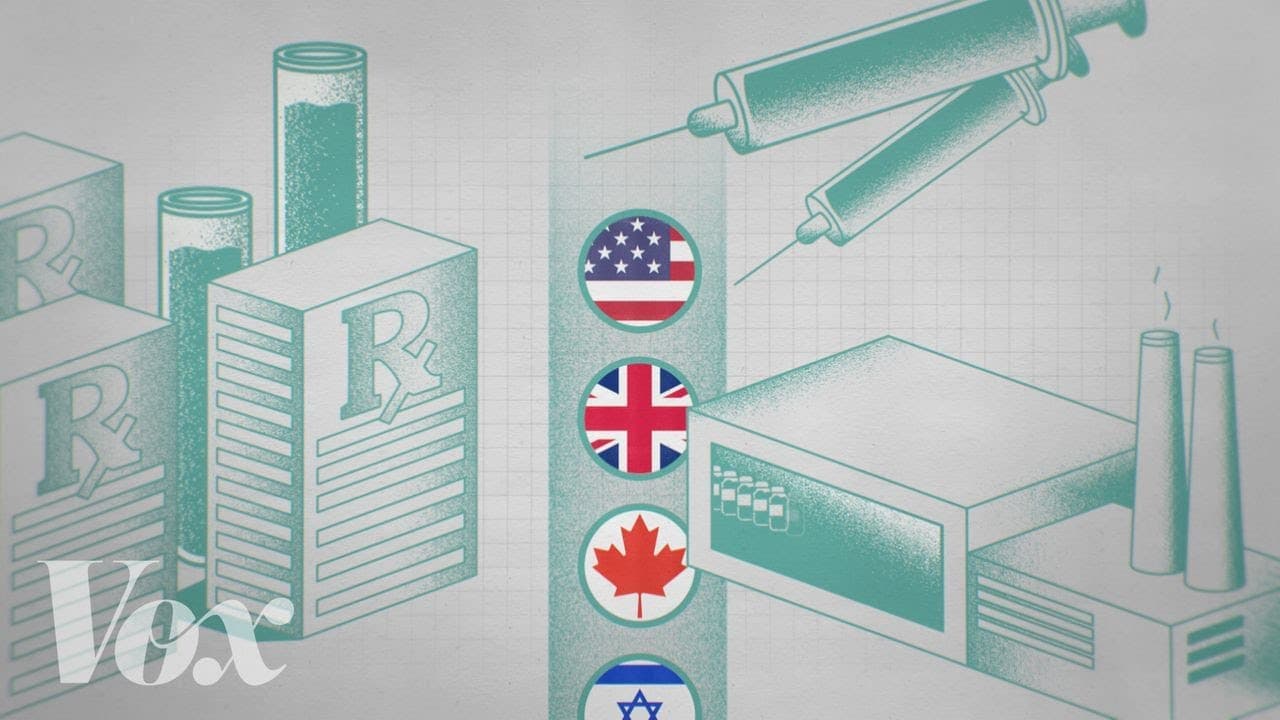
Rich countries' vaccine deals prolong pandemic by limiting global access.
Transcript
In May of 2020, the United States government struck a deal. $1.2 billion would go to the British drugmaker AstraZeneca, to speed up their Covid-19 vaccine research. In exchange, AstraZeneca promised the US 300 million doses if the vaccine made it through safety and efficacy trials. Earlier that month, the United Kingdom signed a similar deal with t... Read More
Key Insights
- Rich countries have secured the majority of Covid-19 vaccine doses through bilateral deals, leading to vaccine inequality and prolonging the pandemic.
- Bilateral deals have resulted in rich countries holding a disproportionate share of vaccine doses, leaving poorer countries with limited access.
- The Covax initiative aims to distribute vaccines equitably, but its effectiveness is hindered by existing bilateral agreements.
- Covax's multilateral approach is designed to reduce risk and ensure vaccine access for lower-income countries, but it struggles with funding and supply issues.
- Rich countries' dual participation in Covax and bilateral deals undermines the initiative's goals by prioritizing their own vaccine access.
- The historical trend of rich countries monopolizing medical resources during global health crises persists with Covid-19, exacerbating global health disparities.
- Vaccine inequality is further complicated by challenges in manufacturing, distribution, and intellectual property debates.
- Effective pandemic preparedness requires proactive measures rather than reactive solutions, as demonstrated by current vaccine distribution challenges.
Install to Summarize YouTube Videos and Get Transcripts
Explore YouTube Video Summarizer or Get YouTube Transcript Extractor
Questions & Answers
Q: What is the impact of bilateral vaccine deals?
Bilateral vaccine deals have allowed rich countries to secure the majority of available doses, leading to significant vaccine inequality. This has resulted in poorer countries facing delays in accessing vaccines, which prolongs the pandemic by allowing the virus to continue spreading and mutating in unvaccinated populations.
Q: How does Covax aim to address vaccine inequality?
Covax aims to address vaccine inequality by acting as a middleman between countries and vaccine manufacturers. It pools resources from wealthier countries to fund vaccine development and distribution to lower-income countries, ensuring equitable access regardless of a country's economic status. However, its effectiveness is challenged by existing bilateral deals and funding limitations.
Q: What challenges does Covax face in achieving its goals?
Covax faces several challenges, including competition from bilateral deals that prioritize rich countries' access to vaccines, insufficient funding, and logistical issues in vaccine distribution. These challenges hinder its ability to meet its target of delivering 2 billion doses by the end of 2021 and achieving equitable vaccine distribution.
Q: Why are rich countries participating in both Covax and bilateral deals?
Rich countries participate in both Covax and bilateral deals to secure their own vaccine supply while also contributing to global efforts for equitable distribution. However, this dual participation undermines Covax's goals by allowing these countries to prioritize their own access, reducing the initiative's effectiveness in addressing vaccine inequality.
Q: What historical trends are highlighted by the current vaccine distribution system?
The current vaccine distribution system highlights the historical trend of rich countries monopolizing medical resources during global health crises. This pattern has persisted from previous pandemics, such as H1N1, to the present Covid-19 pandemic, resulting in significant disparities in access to life-saving vaccines and treatments.
Q: What are the implications of vaccine inequality for the pandemic?
Vaccine inequality allows the Covid-19 virus to continue spreading and mutating in unvaccinated populations, prolonging the pandemic and increasing the risk of new variants. This not only endangers global health but also undermines efforts to control the virus, highlighting the need for equitable vaccine distribution to effectively combat the pandemic.
Q: What role does intellectual property play in vaccine distribution challenges?
Intellectual property rights can complicate vaccine distribution by restricting the ability of lower-income countries to produce their own vaccines. Debates around waiving these rights aim to increase global vaccine production and distribution, but they also face opposition from stakeholders concerned about the impact on innovation and pharmaceutical profits.
Q: What lessons can be learned about pandemic preparedness from the current situation?
The current situation underscores the importance of proactive pandemic preparedness rather than reactive measures. Building robust systems for equitable resource distribution, addressing logistical challenges, and fostering global cooperation are crucial for improving responses to future health crises and preventing the disparities seen in the current vaccine distribution efforts.
Summary & Key Takeaways
-
The video discusses how rich countries secured the majority of Covid-19 vaccines through bilateral deals, leading to global vaccine inequality. This has prolonged the pandemic by limiting access for poorer countries, which are still struggling to vaccinate their populations.
-
Covax, a program co-led by the World Health Organization, aims to distribute vaccines equitably to lower- and middle-income countries. However, its effectiveness is undermined by existing bilateral deals and insufficient funding, hindering its ability to meet vaccine distribution goals.
-
The current vaccine distribution system highlights the persistent issue of rich countries monopolizing medical resources during global health crises. This has resulted in significant disparities in vaccine access, emphasizing the need for improved global health preparedness and equitable resource allocation.
Read in Other Languages (beta)
Share This Summary 📚
Summarize YouTube Videos and Get Video Transcripts with 1-Click
Try YouTube Summary with ChatGPT & Claude or YouTube Transcript Generator
Explore More Summaries from Vox 📚



Summarize YouTube Videos and Get Video Transcripts with 1-Click
Try YouTube Summary with ChatGPT & Claude or YouTube Transcript Generator