How Did the US Create a Crisis in Afghanistan?
TL;DR
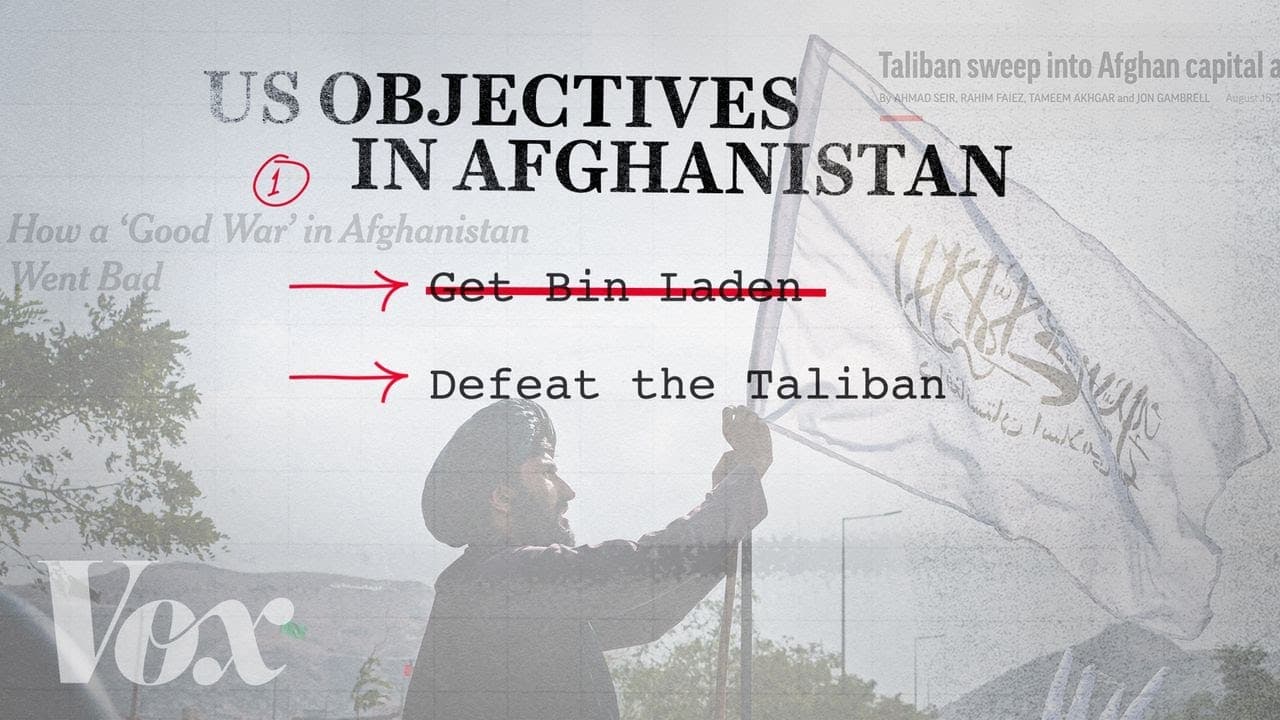
The US invasion of Afghanistan initially aimed to capture Osama bin Laden post-9/11, but mismanaged objectives, corruption, and reliance on warlords led to instability. The rapid Taliban takeover following the US withdrawal highlighted the fragility of the Afghan government and raised significant questions about the war's effectiveness and purpose.
Transcript
“It’s time to bring our people back home.” “...to end America’s longest war.” “The US will soon complete its withdrawal of forces from Afghanistan.” “Taliban fighters have flooded the capital.” “There are American-made weapons in the hands of Taliban fighters.” “Many of the Afghans trying to escape actually helped American armed forces.” “It was qu... Read More
Key Insights
- The US invasion of Afghanistan was initially a response to the 9/11 attacks, aiming to capture Osama bin Laden and dismantle al-Qaeda.
- The mission in Afghanistan quickly expanded beyond its original goals, leading to a prolonged and complex military engagement.
- Efforts to build a new Afghan government were fraught with challenges, including corruption and reliance on warlords.
- US military strategy heavily depended on air power, which temporarily bolstered Afghan forces but failed to create sustainable security.
- The withdrawal of US troops was anticipated to lead to Taliban gains, but the speed of their takeover surprised many.
- The US invested billions in reconstruction, but the lack of infrastructure and oversight led to inefficiencies and waste.
- Civilian casualties from airstrikes fueled resentment and supported the Taliban's resurgence in rural areas.
- The fall of Kabul and the return of the Taliban marked the end of America's longest war, raising questions about its purpose and outcomes.
Install to Summarize YouTube Videos and Get Transcripts
Explore YouTube Video Summarizer or Get YouTube Transcript Extractor
Questions & Answers
Q: What was the initial goal of the US invasion of Afghanistan?
The initial goal of the US invasion of Afghanistan was to capture Osama bin Laden and dismantle the al-Qaeda network responsible for the 9/11 attacks. This objective was clear at the outset, but the mission soon expanded into broader nation-building efforts, complicating its execution.
Q: How did the US military strategy evolve in Afghanistan?
The US military strategy in Afghanistan evolved from direct combat operations to a focus on air power and training Afghan forces. This approach provided temporary advantages, such as air support for Afghan troops, but ultimately failed to create sustainable security or effectively counter the Taliban's resurgence.
Q: What challenges did the US face in building a new Afghan government?
The US faced significant challenges in building a new Afghan government, including widespread corruption and reliance on local warlords. These issues undermined the legitimacy and effectiveness of the government, making it difficult to establish long-term stability and governance across the country.
Q: Why did the Taliban gain ground so quickly after the US withdrawal?
The Taliban gained ground quickly after the US withdrawal due to the Afghan government's reliance on US air power and the lack of sustainable security structures. The withdrawal left Afghan forces without crucial support, allowing the Taliban to rapidly advance, particularly in rural areas where they had regained influence.
Q: What impact did US airstrikes have on the Afghan population?
US airstrikes had a significant impact on the Afghan population, often resulting in high civilian casualties. This fueled resentment towards the US and Afghan governments, contributing to the Taliban's ability to gain support and legitimacy, particularly in rural areas where the strikes were most frequent.
Q: How did reconstruction efforts in Afghanistan fall short?
Reconstruction efforts in Afghanistan fell short due to the lack of infrastructure and effective oversight. Billions of dollars were invested, but much of it was wasted or mismanaged, leading to inefficiencies and corruption. This undermined the potential benefits of reconstruction and failed to establish lasting improvements.
Q: What role did corruption play in the Afghan government's collapse?
Corruption played a critical role in the Afghan government's collapse by eroding trust and legitimacy. The reliance on corrupt officials and warlords for governance weakened the government's ability to function effectively, alienating the population and making it difficult to maintain control, especially in the face of Taliban advances.
Q: Why is the US intervention in Afghanistan considered a failure?
The US intervention in Afghanistan is considered a failure due to the inability to achieve long-term stability and security, despite significant investment and military efforts. The rapid collapse of the Afghan government and the Taliban's resurgence highlighted the shortcomings of US strategies and raised questions about the war's overall purpose and outcomes.
Summary & Key Takeaways
-
The US invasion of Afghanistan began after the 9/11 attacks, with the initial goal of capturing Osama bin Laden. However, the objectives expanded, leading to a prolonged military engagement that struggled with clear goals and effective execution.
-
Efforts to establish a new Afghan government were complicated by corruption and reliance on local warlords, which undermined long-term stability. US military strategy focused on air power, providing temporary advantages but failing to establish lasting security.
-
The rapid Taliban takeover following the US withdrawal highlighted the fragility of the Afghan government and the challenges of nation-building. The conflict's end raised questions about the war's purpose and the effectiveness of US interventions.
Read in Other Languages (beta)
Share This Summary 📚
Summarize YouTube Videos and Get Video Transcripts with 1-Click
Try YouTube Summary with ChatGPT & Claude or YouTube Transcript Generator
Explore More Summaries from Vox 📚



Summarize YouTube Videos and Get Video Transcripts with 1-Click
Try YouTube Summary with ChatGPT & Claude or YouTube Transcript Generator