The Emerging Arctic
TL;DR
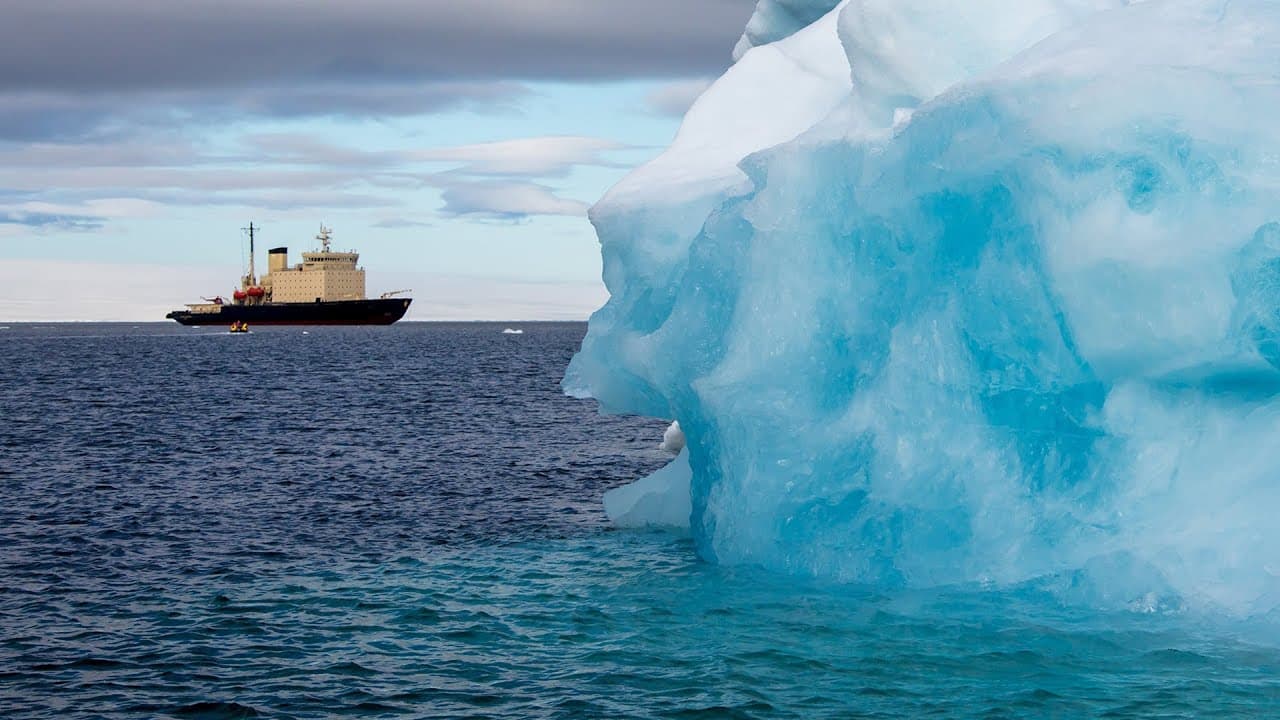
Arctic warming opens new economic opportunities and geopolitical tensions.
Transcript
Borgerson: In some respects the Arctic is the least explored part of the world. We know more about the surface of the moon than we know about the Arctic. One thing that scientists universally agree on is that the Arctic is warming. The ice is melting rapidly, allowing all kinds of access to new resources and geographies that heretofore had been fro... Read More
Key Insights
- The Arctic is one of the least explored regions, with its warming unlocking new resources and geographies, impacting global geopolitics and economics.
- The region is central to geopolitical developments, including US-Russia relations, climate change, and China's economic growth, affecting global shipping and resource access.
- Arctic states have exclusive economic rights to explore resources within 200 nautical miles of their coasts, potentially transforming the global economy.
- Canada prioritizes Arctic policy due to economic, environmental, and strategic factors, impacting the nation's future.
- New Arctic shipping routes could significantly reduce East-West shipping times, with international waters beyond the 200 nautical mile zones being open to exploration.
- Arctic nations are cooperating through the Arctic Council and other multilateral agreements, focusing on collaboration rather than competition.
- Russia's Arctic strategy is driven by energy needs and international prestige, playing a key role in the region's development.
- Environmentalists and experts warn that Arctic development could harm the environment and contribute to climate change, urging sustainable practices.
Install to Summarize YouTube Videos and Get Transcripts
Explore YouTube Video Summarizer or Get YouTube Transcript Extractor
Questions & Answers
Q: What are the main geopolitical implications of the Arctic warming?
The Arctic warming has significant geopolitical implications, as it opens up new resources and shipping routes, impacting global trade and resource access. It is central to US-Russia relations, the development of China as an economic power, and the global climate change crisis. These factors make the Arctic a focal point for international diplomacy and cooperation.
Q: How are Arctic states managing their resource exploration rights?
Arctic states have exclusive rights to explore resources within 200 nautical miles of their coasts, as per international law and the UN Convention on the Law of the Sea. They are managing these rights through cooperation and agreements within the Arctic Council and other multilateral frameworks, focusing on peaceful and sustainable resource management.
Q: What role does Russia play in the Arctic region?
Russia plays a crucial role in the Arctic region, driven by its need for energy resources and international prestige. Russia's strategy involves using the Arctic as a base for future energy needs and asserting itself as a key actor in the region. Its behavior and policies will significantly influence the Arctic's development and geopolitical dynamics.
Q: What are the environmental concerns associated with Arctic development?
Environmental concerns associated with Arctic development include the potential harm to the pristine Arctic environment, home to unique wildlife and native communities. The extraction of fossil fuels could exacerbate climate change, and there is a risk of environmental disasters from increased human activity. Sustainable practices are essential to mitigate these risks.
Q: How might new Arctic shipping routes impact global trade?
New Arctic shipping routes, such as the Northwest and Northeast Passages, could significantly reduce shipping times between East and West, impacting global trade. These routes offer shorter and potentially more cost-effective paths for shipping, which could transform global logistics and trade patterns, benefiting Arctic states and global economies.
Q: What investments are needed for Arctic development?
Arctic development requires substantial investments in hard infrastructure, such as airfields, roads, ports, and ships, to operate in the region. There is also a need for better research and bathymetric data to support safe and sustainable development. These investments are crucial for managing the unique risks and opportunities the Arctic presents.
Q: What is the Arctic Council's role in the region?
The Arctic Council plays a vital role in fostering cooperation and multilateralism among Arctic nations. Established to engage Russia post-Cold War, it has grown into a regional organization that facilitates collaboration on environmental protection, sustainable development, and resource management, helping to maintain peace and stability in the Arctic.
Q: Why is there a debate about Arctic development?
The debate about Arctic development centers on balancing economic opportunities with environmental protection. While the region offers significant economic potential, there are concerns about the environmental impact and contribution to climate change. The focus is on whether development can be conducted sustainably and peaceably, considering the unique risks and challenges.
Summary & Key Takeaways
-
The Arctic is rapidly warming, opening up previously inaccessible resources and creating new geopolitical dynamics. The region is central to global developments, including US-Russia relations, climate change, and China's economic growth. Arctic states have exclusive rights to explore resources, potentially transforming the global economy.
-
Canada has prioritized Arctic policy, recognizing the convergence of economic, environmental, and strategic factors. New shipping routes could reduce East-West shipping times significantly. Arctic nations are cooperating through the Arctic Council, focusing on collaboration rather than competition, with Russia playing a key role.
-
Environmentalists warn of the potential harm from Arctic development, urging sustainable practices. The region's development poses unique risks, with debates focusing on whether it can be done sustainably and peaceably. The Arctic's increasing relevance requires investments in infrastructure and research.
Read in Other Languages (beta)
Share This Summary 📚
Summarize YouTube Videos and Get Video Transcripts with 1-Click
Try YouTube Summary with ChatGPT & Claude or YouTube Transcript Generator
Explore More Summaries from Council on Foreign Relations 📚

Summarize YouTube Videos and Get Video Transcripts with 1-Click
Try YouTube Summary with ChatGPT & Claude or YouTube Transcript Generator