The Samurai
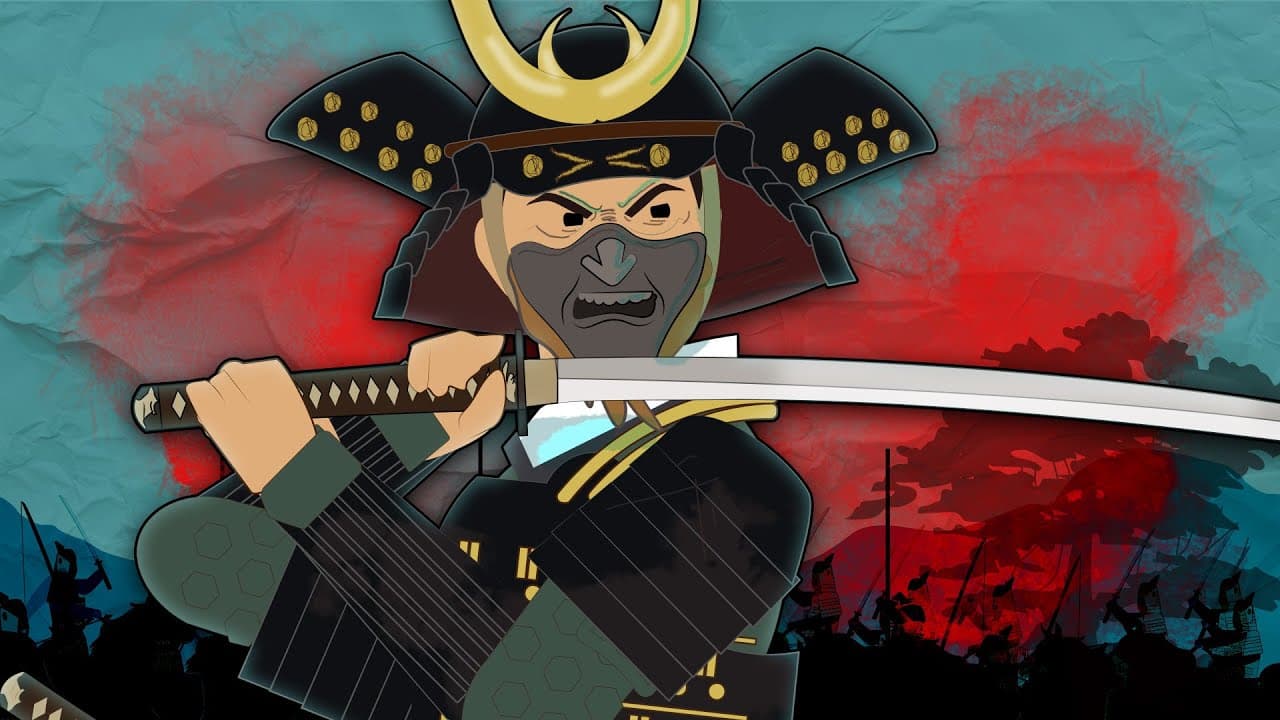
TL;DR
The content explores the history of samurai warriors in Japan, tracking their rise to power, their strict code of conduct, and their eventual decline.
Transcript
the samurai in the hon period the Imperial Court relied on agriculture produced in distant Estates the wealthy land owners of these Estates hired Warriors to defend themselves from raids by local Chieftains by the 12th century political power had shifted significantly away from the emperor the [ __ ] war of 1180 to 1185 pitted the Tyra Clan with sw... Read More
Key Insights
- 😮 The rise of samurai warriors can be attributed to their role as protectors of the Imperial Court during the Heian period.
- 🥺 The Genpei War and the victory of the Minamoto clan led to the establishment of the Kamakura Shogunate, marking a significant shift in political power.
- 👨💻 Samurai warriors adhered to the code of Bushido, which emphasized loyalty, honor, and a strict moral framework.
- 🔫 The katana, a long sword, became the most symbolic weapon of the samurai, while the wakizashi served as a companion weapon.
- 🥺 The Warring States period saw intense power struggles between local lords, which eventually led to the stability brought by the Tokugawa shogunate.
- 😀 Despite their high social status, many samurai faced material decline as their role in society shifted from warriors to bureaucrats or teachers.
- ✌️ The decline of samurai warriors was also influenced by the relatively stable peace and the decrease in the importance of martial skills.
Install to Summarize YouTube Videos and Get Transcripts
Explore YouTube Video Summarizer or Get YouTube Transcript Extractor
Questions & Answers
Q: How did the samurai warriors rise to power in Japan?
The samurai warriors gained prominence during the Heian period when the Imperial Court hired them for protection against local chieftains' raids, leading to their rise as warrior elites.
Q: What was the purpose of the Kamakura Shogunate?
The Kamakura Shogunate was established after the Genpei War to centralize power and create a hereditary military dictatorship, with the samurai warriors serving as the ruling class.
Q: How did samurai showcase their loyalty and honor?
Samurai followed the strict code of conduct called Bushido, which emphasized loyalty to their masters, honor, and bravery in battle, even resorting to committing seppuku (ritual suicide) to preserve their honor.
Q: What led to the decline of samurai warriors?
With the stability brought by the Tokugawa shogunate in the 17th century, the importance of martial skills declined, and many samurai turned to careers as bureaucrats or teachers, leading to a decline in their material well-being.
Summary & Key Takeaways
-
During the Heian period, the Imperial Court relied on agricultural products from distant Estates and hired samurai warriors for protection.
-
The Genpei War in the 12th century led to the establishment of a hereditary military dictatorship known as the Kamakura Shogunate.
-
Samurai warriors were highly skilled in combat, adhered to the code of Bushido, and specialized in using various weapons, including the iconic katana.
Read in Other Languages (beta)
Share This Summary 📚
Summarize YouTube Videos and Get Video Transcripts with 1-Click
Try YouTube Summary with ChatGPT & Claude or YouTube Transcript Generator
Explore More Summaries from Simple History 📚





Summarize YouTube Videos and Get Video Transcripts with 1-Click
Try YouTube Summary with ChatGPT & Claude or YouTube Transcript Generator