How to Optimize Non-HTML Files for Google Search
TL;DR
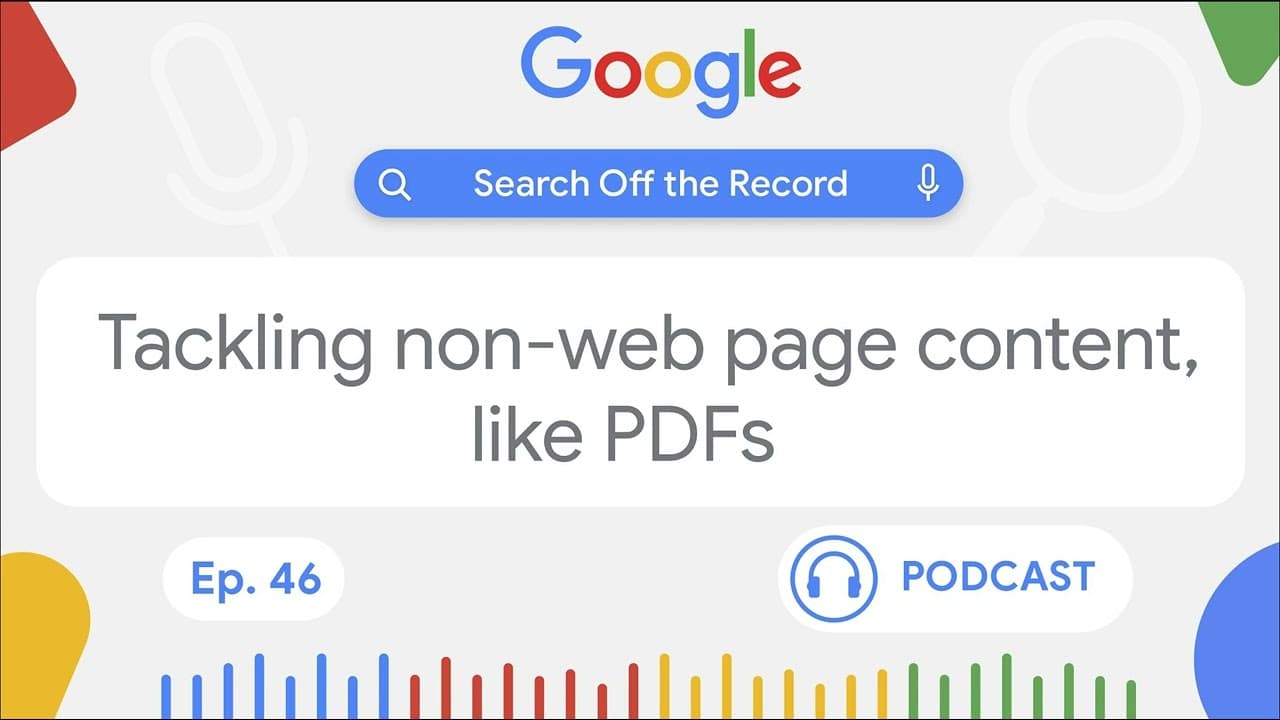
Google indexes non-HTML files like PDFs, PowerPoints, and images by converting them to HTML. PDFs are common due to ease of creation and compatibility. Proprietary file types may require specific software. Google does not index private data unless it's publicly available. HTML remains the preferred format for web content.
Transcript
[MUSIC PLAYING] LIZZI SASSMAN: Well, hello, hello. And welcome to another episode of "Search Off the Record," a podcast coming to you from the Google Search Team, discussing all things Search and maybe having some fun along the way. My name's Lizzi. And today, I'm joined by Gary from the Search Relations Team, of which I am also a part of. So in to... Read More
Key Insights
- Google indexes non-HTML files by converting them to HTML.
- PDFs are common on the web due to ease of creation and compatibility.
- Proprietary file types may require specific software for access.
- Google indexes public information, not private data unless made public.
- HTML remains the preferred format for web content due to its flexibility.
- Images and videos are indexed differently from text content.
- Google uses Adobe's tools to convert PDFs for indexing.
- The layout of a PDF is less important than its text content for indexing.
Install to Summarize YouTube Videos and Get Transcripts
Explore YouTube Video Summarizer or Get YouTube Transcript Extractor
Questions & Answers
Q: How does Google index non-HTML files?
Google indexes non-HTML files by converting them into HTML. This process involves extracting text and metadata from files like PDFs and PowerPoints, which are then indexed similarly to standard web pages. By using tools like Adobe's converters, Google ensures that the content within these files is accessible and searchable, even if the original format is proprietary or complex.
Q: Why are PDFs so common on the internet?
PDFs are common on the internet due to their ease of creation and compatibility across different platforms. Many users find it simpler to convert documents into PDFs using various apps, which can scan and format documents quickly. Additionally, PDFs maintain their layout and design across devices, making them a preferred choice for sharing documents like menus or forms online.
Q: What challenges do proprietary file types present?
Proprietary file types present challenges because they often require specific software to access, which can limit their compatibility across different platforms. For example, an AutoCAD file may need specialized software to be viewed correctly. This can create barriers for users who need to download additional programs, complicating the process of accessing and sharing information stored in these formats.
Q: Does Google index private data from non-HTML files?
Google indexes public information, not private data unless it is made publicly accessible. If a website inadvertently uploads private data and makes it publicly available, Google may index it. However, Google has measures to mitigate such issues, although it remains the responsibility of website owners to ensure private data is not published inadvertently.
Q: What is the preferred format for web content?
HTML is the preferred format for web content due to its flexibility and compatibility with search engines. HTML allows for structured data, easy updates, and integration with various multimedia elements. While non-HTML files can be indexed, HTML remains the most efficient and effective format for ensuring content is accessible and searchable on the web.
Q: How are images and videos indexed differently from text content?
Images and videos are indexed differently from text content, focusing on the landing page rather than the file itself. Google requires a hosting page for these media types, as it provides context and metadata necessary for indexing. This approach ensures that users are directed to a comprehensive source rather than just the media file, enhancing the search experience.
Q: What tools does Google use to convert PDFs for indexing?
Google uses tools from Adobe to convert PDFs for indexing. These tools extract text and metadata from PDFs, transforming them into a format that can be indexed similarly to HTML content. This conversion process ensures that the information within PDFs is accessible and searchable, aligning with Google's goal to organize and make the world's information universally accessible.
Q: How important is the layout of a PDF for indexing?
The layout of a PDF is less important than its text content for indexing purposes. Google's primary focus is on extracting and indexing the text and metadata within the PDF. While layout elements like bold or italicized text may be considered, the overall design and structure of the PDF are not as critical as ensuring the content is accessible and searchable.
Summary & Key Takeaways
-
Google converts non-HTML files like PDFs and PowerPoints to HTML for indexing. PDFs are prevalent due to ease of creation and compatibility across platforms. Proprietary file types often require specific software, which can limit accessibility. HTML remains the preferred format for web content due to its flexibility and ease of use.
-
Google indexes public information, not private data unless made public. Images and videos are indexed differently from text content, focusing on the landing page rather than the file itself. Google uses Adobe's tools to convert PDFs, ensuring content is indexed effectively.
-
The layout of a PDF is less important than its text content for indexing. For optimal indexing, it's beneficial to integrate non-HTML files into HTML pages. This approach enhances context and accessibility, aligning with Google's mission to organize and make information universally accessible.
Read in Other Languages (beta)
Share This Summary 📚
Summarize YouTube Videos and Get Video Transcripts with 1-Click
Try YouTube Summary with ChatGPT & Claude or YouTube Transcript Generator
Explore More Summaries from Google Search Central 📚



Summarize YouTube Videos and Get Video Transcripts with 1-Click
Try YouTube Summary with ChatGPT & Claude or YouTube Transcript Generator