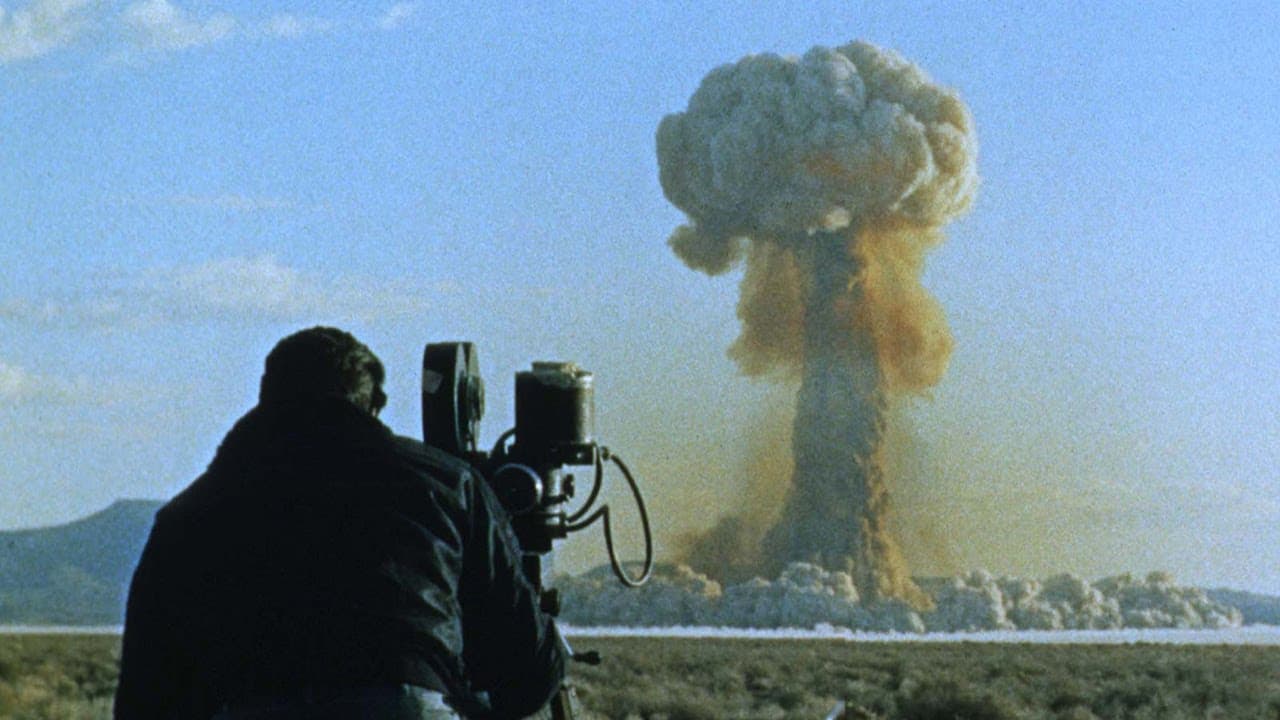
Discussing Netflix's "Turning Point—The Bomb and The Cold War"
TL;DR
Discussion on nuclear dangers from Cold War to today.
Transcript
NAFTALI: (In progress)—Paul C. Warnke Lecture on International Security. I am Tim Naftali, faculty scholar at the Institute of Global Politics at Columbia University’s School of International and Public Affairs. And I will be presiding over this evening’s discussion. The Paul C. Warnke Lecture on International Security was established in 2002... Read More
Key Insights
- The Cold War era was marked by a significant buildup of nuclear arsenals driven by mutual fear and misunderstanding between the U.S. and the Soviet Union.
- Today, the world faces a more complex nuclear landscape with multiple nuclear states and eroding arms control agreements.
- Emerging technologies like AI and cyber capabilities add new layers of complexity and risk to nuclear weapons systems.
- The Nunn-Lugar initiative was a pivotal effort to reduce nuclear weapons post-Soviet Union, highlighting the importance of individual leadership in nuclear disarmament.
- Ukraine's relinquishment of nuclear weapons post-Soviet Union was contingent on assurances from major powers, which have been violated by Russia's actions.
- The current geopolitical climate, especially with Russia and China, complicates efforts to renegotiate or establish new nuclear treaties.
- There is a need for renewed public engagement and awareness on nuclear issues to prevent complacency and promote disarmament.
- The risk of nuclear proliferation among smaller states like North Korea and Iran poses a significant threat to global security.
Install to Summarize YouTube Videos and Get Transcripts
Explore YouTube Video Summarizer or Get YouTube Transcript Extractor
Questions & Answers
Q: What is the current state of nuclear danger compared to the Cold War?
The current state of nuclear danger is considered more complex and potentially more dangerous than during the Cold War. While the Cold War had a bipolar structure with clear lines between the U.S. and the Soviet Union, today's landscape involves multiple nuclear states, eroded arms control agreements, and emerging technologies complicating the risks.
Q: What role did the Nunn-Lugar initiative play in nuclear disarmament?
The Nunn-Lugar initiative was crucial in reducing nuclear weapons post-Soviet Union. It aimed to secure and dismantle weapons of mass destruction in former Soviet states, preventing them from falling into rogue hands. This initiative highlighted the importance of leadership and bipartisan cooperation in achieving significant disarmament milestones.
Q: How does the current geopolitical climate affect nuclear treaty negotiations?
The current geopolitical climate, particularly tensions with Russia and China, complicates nuclear treaty negotiations. The erosion of existing agreements, like the INF Treaty, and the lack of new ones leave the world without a framework to regulate nuclear arsenals. The situation is further complicated by emerging powers and technologies.
Q: What are the implications of Ukraine's nuclear disarmament assurances?
Ukraine's decision to give up nuclear weapons was based on assurances from the U.S., UK, and Russia to respect its sovereignty. Russia's violation of these assurances by invading Ukraine undermines trust in such agreements, raising concerns about the effectiveness of non-proliferation efforts and the security of non-nuclear states.
Q: What impact do emerging technologies have on nuclear risks?
Emerging technologies like artificial intelligence and cyber capabilities increase the complexity and risks associated with nuclear weapons systems. These technologies can introduce vulnerabilities, such as hacking or miscommunication, which could lead to accidental or unauthorized use of nuclear weapons, heightening global security threats.
Q: Why is public engagement important in nuclear disarmament?
Public engagement is crucial in nuclear disarmament to prevent complacency and ensure that governments prioritize reducing nuclear arsenals. A well-informed public can advocate for policies that promote disarmament and non-proliferation, countering the normalization of nuclear weapons and the potential for a renewed arms race.
Q: What are the challenges of nuclear proliferation among smaller states?
Nuclear proliferation among smaller states like North Korea and Iran presents significant challenges as these countries may not adhere to international norms and could use nuclear weapons for regional dominance or deterrence. Their actions can trigger arms races in volatile regions, increasing global security risks and complicating diplomatic efforts.
Q: How does the legacy of the Cold War influence current nuclear strategies?
The legacy of the Cold War influences current nuclear strategies through entrenched doctrines of deterrence and mutual assured destruction. However, the multipolar nuclear world and new technological threats require updated strategies that consider the complexities of modern geopolitics and the need for renewed arms control efforts to prevent escalation.
Summary & Key Takeaways
-
The discussion reflects on the Cold War's nuclear arms race, driven by fear and misunderstanding between superpowers, which led to a massive buildup of arsenals. Today, the nuclear landscape is more complex with multiple nuclear states.
-
Emerging technologies such as AI and cyber capabilities introduce new risks to nuclear weapons systems, complicating existing challenges. The erosion of arms control agreements further exacerbates these risks.
-
The Nunn-Lugar initiative showcased successful disarmament efforts post-Soviet Union, emphasizing the critical role of leadership. However, current geopolitical tensions, especially with Russia and China, hinder new treaty negotiations.
Read in Other Languages (beta)
Share This Summary 📚
Summarize YouTube Videos and Get Video Transcripts with 1-Click
Try YouTube Summary with ChatGPT & Claude or YouTube Transcript Generator
Explore More Summaries from Council on Foreign Relations 📚

Summarize YouTube Videos and Get Video Transcripts with 1-Click
Try YouTube Summary with ChatGPT & Claude or YouTube Transcript Generator