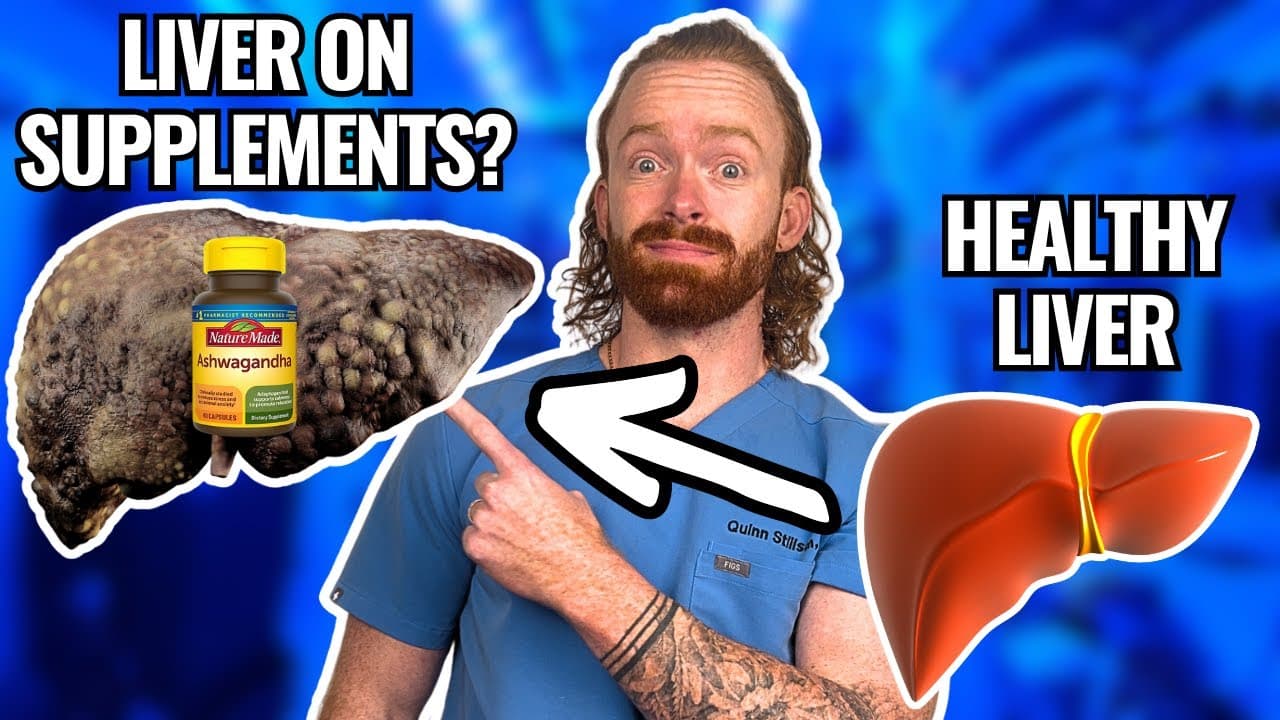
Do Supplements REALLY Cause Liver Damage? Science Reveals the Truth!
TL;DR
Supplements can cause liver damage, but the risk is very low.
Transcript
Read and summarize the transcript of this video on Glasp Reader (beta).
Key Insights
- The study suggests a low risk of liver failure from supplements, with only 70 to 100 cases annually in the US despite widespread use.
- Tylenol is twice as likely to cause liver injury compared to supplements, highlighting the relative safety of supplements when used correctly.
- Direct liver cell toxicity can occur from certain supplements like Kava and Kratom, but risks are minimized by avoiding these and adhering to recommended dosages.
- Genetic differences affect how individuals metabolize supplements, potentially leading to liver injury in those who metabolize slowly.
- Contamination and unlisted ingredients pose risks, emphasizing the importance of choosing third-party tested supplements.
- Multi-ingredient supplements account for 70% of liver injury cases, so single-ingredient options are safer.
- Certain supplements can cause coatic liver disease, characterized by bile buildup, but risks are reduced with proper dosing and monitoring.
- Immune-mediated liver disease can be triggered by supplements, particularly in individuals with pre-existing autoimmune conditions.
Install to Summarize YouTube Videos and Get Transcripts
Explore YouTube Video Summarizer or Get YouTube Transcript Extractor
Questions & Answers
Q: What is the risk of liver failure from supplements?
The risk of liver failure from supplements is very low, with only 70 to 100 cases occurring annually in the US. This represents a 0.004% risk among the 250 million Americans taking supplements. Proper dosing and avoiding high-risk supplements can further mitigate this risk.
Q: How does Tylenol compare to supplements in terms of liver injury risk?
Tylenol is about twice as likely to cause liver injury compared to supplements. It accounts for 50% of all drug-induced liver injuries, highlighting the relative safety of supplements when used correctly. Both Tylenol and supplements should be taken responsibly to minimize liver damage risks.
Q: What supplements are known for causing direct liver cell toxicity?
Supplements like Kava, Kratom, and hydroxy citric acid (HCA) are known for causing direct liver cell toxicity. These supplements attack liver cells, causing oxidative stress and mitochondrial damage. Avoiding these supplements and adhering to recommended dosages can minimize liver toxicity risks.
Q: How do genetic differences affect liver injury risk from supplements?
Genetic differences affect how individuals metabolize supplements, with some metabolizing quickly and others slowly. Slow metabolizers can accumulate toxic metabolites, increasing liver injury risk. Supplements like red yeast rice and ashwagandha are heavily metabolized by the liver, necessitating careful use and monitoring.
Q: What role do contaminants play in supplement-related liver damage?
Contaminants and unlisted ingredients, such as heavy metals or anabolic steroids, can cause liver damage. This emphasizes the importance of selecting third-party tested supplements to ensure safety and avoid potential liver injury from contaminated products.
Q: Why are multi-ingredient supplements riskier than single-ingredient ones?
Multi-ingredient supplements account for 70% of liver injury cases from supplements. They pose a higher risk because they can overload the liver's ability to metabolize multiple components. Single-ingredient supplements provide more control over intake and reduce the risk of liver injury.
Q: What is coatic liver disease, and how do supplements cause it?
Coatic liver disease involves bile buildup in the liver, which can be caused by supplements like ashwagandha and curcumin. Proper dosing and monitoring for symptoms like jaundice and abdominal pain can help prevent this condition and minimize liver damage risks.
Q: How can immune-mediated liver disease occur from supplements?
Immune-mediated liver disease occurs when supplements trigger an autoimmune-like response, causing the immune system to attack the liver. Individuals with pre-existing autoimmune conditions are more susceptible. Monitoring liver enzyme levels and using reputable supplements can help prevent this type of liver injury.
Summary & Key Takeaways
-
Supplements can cause liver damage, but the risk is extremely low, with only a small percentage of users affected annually. Proper dosing and avoiding high-risk supplements can further mitigate this risk.
-
Tylenol is more likely to cause liver injury than supplements, yet the latter often receive more negative attention. Responsible use of both can promote safety and health.
-
Contaminants and unlisted ingredients in supplements highlight the need for careful selection of reputable, third-party tested products to avoid potential liver damage.
Read in Other Languages (beta)
Share This Summary 📚
Summarize YouTube Videos and Get Video Transcripts with 1-Click
Try YouTube Summary with ChatGPT & Claude or YouTube Transcript Generator
Explore More Summaries from Quinn Stillson MD 📚
Summarize YouTube Videos and Get Video Transcripts with 1-Click
Try YouTube Summary with ChatGPT & Claude or YouTube Transcript Generator