Top 5 Supplements for Longevity, Performance, and Overall Health
TL;DR
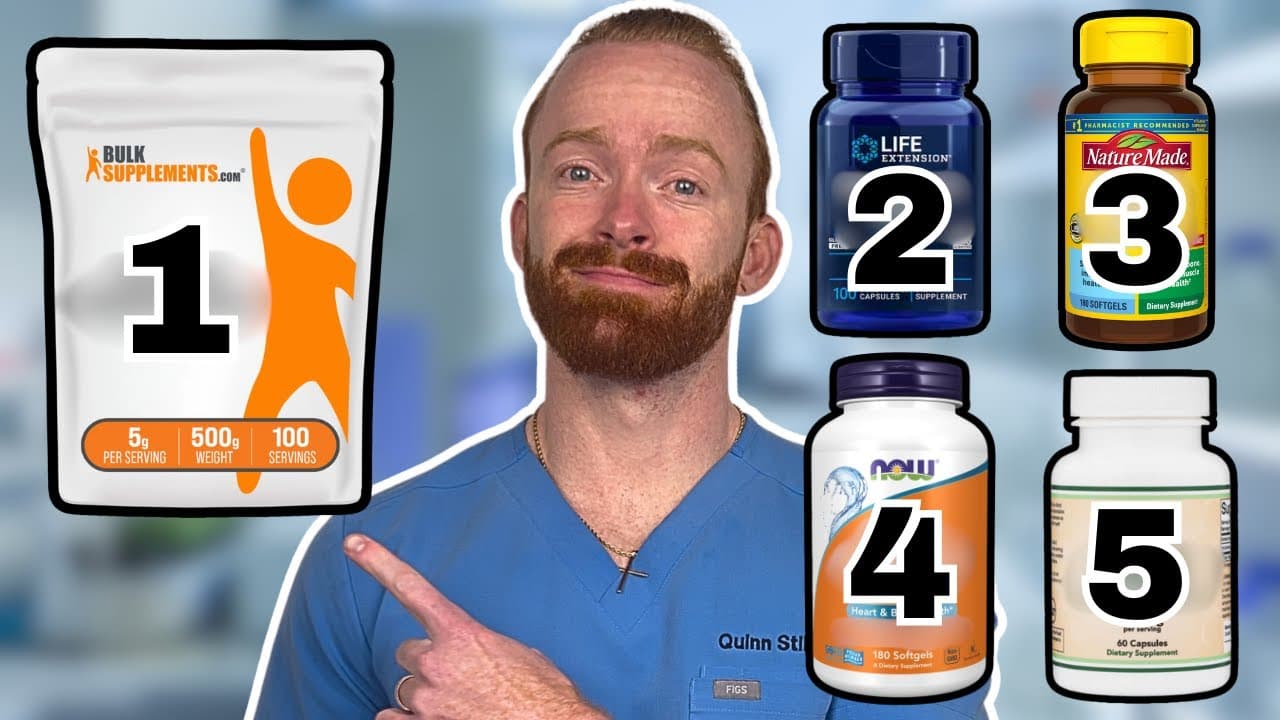
Discover top five supplements for health, performance, and longevity.
Transcript
feeling overwhelmed by a sea of supplements and unsure on which ones actually work and are you also unsure on the doses the forms or the brands to actually trust well as a licensed medical doctor and certified strength and conditioning coach I'm here to cut through all the clutter in the supplement industry and give you the top five most effective ... Read More
Key Insights
- Creatine not only boosts muscle mass and strength but also enhances brain function, memory, and attention by increasing ATP production.
- Magnesium plays a crucial role in over 300 enzymatic processes, including muscle contraction, insulin sensitivity, and cardiovascular health.
- Vitamin D is essential for bone strength, immune function, and metabolic health, with most people needing supplementation to reach optimal levels.
- Fiber, particularly soluble fiber, significantly reduces cardiovascular risk, regulates gut health, and lowers cholesterol and blood sugar levels.
- Omega-3 fatty acids improve cell membrane fluidity, decrease inflammation, and have significant positive effects on cardiovascular health and cognition.
- Creatine monohydrate is recommended over creatine HCL due to cost-effectiveness and similar efficacy in studies.
- Magnesium glycinate is preferred for overall health due to its higher absorption rate compared to other forms like magnesium oxide.
- Vitamin D3 in an oil-based form is more cost-effective than liposomal forms, though the latter may be better for those with absorption issues.
Install to Summarize YouTube Videos and Get Transcripts
Explore YouTube Video Summarizer or Get YouTube Transcript Extractor
Questions & Answers
Q: Why is creatine recommended as a top supplement?
Creatine is recommended because it significantly increases muscle mass and strength by enhancing ATP production and water retention in muscle cells. It also boosts brain function by improving memory and attention and acts as an antioxidant in the brain, reducing the risk of dementia.
Q: What role does magnesium play in the body?
Magnesium is involved in over 300 enzymatic processes, including muscle contraction, insulin sensitivity, and cardiovascular health. It is crucial for maintaining muscle mass, regulating blood sugar, and supporting brain health. Magnesium deficiency is common, making supplementation important for optimal health.
Q: Why is vitamin D supplementation important?
Vitamin D is vital for bone health, immune function, and metabolic processes. A significant portion of the population is deficient in vitamin D, which can lead to increased risks of cardiovascular disease, metabolic syndrome, and cognitive decline. Supplementation helps achieve optimal levels for better health outcomes.
Q: How does fiber benefit overall health?
Fiber, especially soluble fiber, lowers cardiovascular disease risk, regulates gut health, and reduces cholesterol and blood sugar levels. It supports a healthy microbiome, decreases inflammation, and is associated with a lower risk of colorectal cancer. Supplementing with soluble fiber can enhance these health benefits.
Q: What are the benefits of omega-3 supplementation?
Omega-3 fatty acids improve cell membrane fluidity, decrease inflammation, and lower triglycerides. They are associated with a significant reduction in cardiovascular disease risk, improved muscle recovery, and decreased risk of dementia. Omega-3s also enhance cognition and reduce depression and anxiety.
Q: What form of creatine is recommended and why?
Creatine monohydrate is recommended over creatine HCL because it is more cost-effective and has similar efficacy. Studies show that while creatine HCL dissolves better in water, it is not absorbed more effectively than monohydrate, which is also more extensively studied.
Q: Which form of magnesium is preferred for supplementation?
Magnesium glycinate is preferred for supplementation due to its higher absorption rate and effectiveness in raising magnesium levels. It provides the positive effects needed for overall health compared to less absorbed forms like magnesium oxide, which are better for bowel movements.
Q: What is the recommended form of vitamin D for supplementation?
An oil-based form of vitamin D3 is recommended for most people due to its cost-effectiveness and ability to raise vitamin D levels. Although liposomal forms may offer better absorption, they are significantly more expensive and are mainly beneficial for individuals with absorption issues.
Summary & Key Takeaways
-
The video highlights five key supplements for health and performance: creatine, magnesium, vitamin D, fiber, and omega-3s. Each supplement is discussed in terms of benefits, dosing, timing, and recommended brands.
-
Creatine enhances muscle and brain function, magnesium supports over 300 bodily processes, vitamin D is crucial for bone and immune health, fiber regulates gut health, and omega-3s improve cellular and cardiovascular health.
-
The presenter, a medical doctor and strength coach, provides detailed guidance on supplement forms, optimal doses, and trusted brands to help viewers create a science-backed supplement routine.
Read in Other Languages (beta)
Share This Summary 📚
Summarize YouTube Videos and Get Video Transcripts with 1-Click
Try YouTube Summary with ChatGPT & Claude or YouTube Transcript Generator
Explore More Summaries from Quinn Stillson MD 📚


Summarize YouTube Videos and Get Video Transcripts with 1-Click
Try YouTube Summary with ChatGPT & Claude or YouTube Transcript Generator