Finding Yourself Avoiding Things? Watch This! | Mel Robbins Podcast Clips
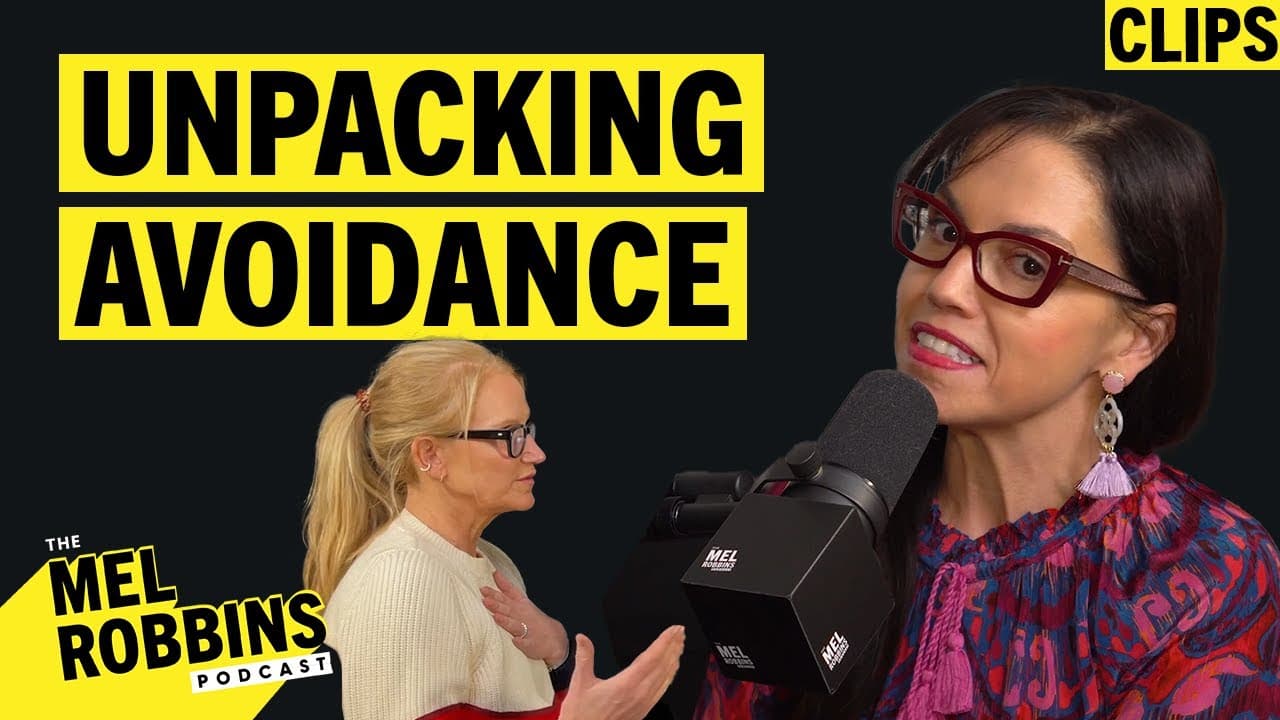
TL;DR
Avoidance is not just an anxiety response; it can manifest in various ways and prevent people from pursuing experiences and opportunities. Overcoming avoidance involves facing discomfort and choosing to take risks.
Transcript
can we unpack avoidance because it's not just an anxiety response no like I'm thinking about the number of conversations that people avoid the number of situations that people avoid uh the number of experiences that people want to do like I I can think about one for myself where my whole my daughter Sawyer and Chris um have both uh Gone skydiving a... Read More
Key Insights
- ⛔ Avoidance is not limited to anxiety responses; it can manifest in various situations where individuals choose to retreat, react, or remain.
- 😀 Overcoming avoidance requires facing discomfort and taking risks, such as confronting difficult conversations or pursuing challenging experiences.
- 👋 Avoidance can hinder personal growth and prevent individuals from living their best lives.
- ❓ By embracing discomfort and overcoming avoidance, individuals can experience liberation, growth, and fulfillment.
- 🛄 Avoidance is a natural biological response aimed at predicting and protecting from perceived threats.
- 💦 Recognizing avoidance patterns and understanding the reasons behind them can help individuals work towards overcoming avoidance.
- 💦 Avoidance is a pervasive behavior that affects various aspects of life, including relationships, work, and personal development.
Install to Summarize YouTube Videos and Get Transcripts
Explore YouTube Video Summarizer or Get YouTube Transcript Extractor
Questions & Answers
Q: What are the three ways individuals commonly engage in avoidance?
The three ways individuals commonly engage in avoidance are retreating (moving away from discomfort), reacting (moving towards discomfort and reacting impulsively), and remaining (staying in a situation despite discomfort).
Q: Can you provide an example of retreating as a form of avoidance?
An example of retreating as a form of avoidance is avoiding difficult conversations or not reading emails that may bring discomfort.
Q: How does reacting as a form of avoidance manifest in daily life?
Reacting as a form of avoidance can manifest as impulsive actions in response to discomfort or perceived threats, such as sending angry emails or resorting to substance use.
Q: What does it mean to remain as a form of avoidance?
Remaining as a form of avoidance refers to staying in situations that no longer work or bring happiness due to fear or discomfort, such as staying in a job or relationship one dislikes.
Summary & Key Takeaways
-
Avoidance is the act of retreating, reacting, or remaining in response to a perceived threat that brings discomfort or anxiety.
-
Retreating involves moving away and avoiding discomfort, such as avoiding difficult conversations or not reading emails that may cause discomfort.
-
Reacting is a form of avoidance where individuals approach discomfort and react impulsively, such as sending angry emails or resorting to substance use.
-
Remaining is when individuals stay in situations that no longer work for them due to fear or discomfort, such as staying in a job or relationship they dislike.
Read in Other Languages (beta)
Share This Summary 📚
Summarize YouTube Videos and Get Video Transcripts with 1-Click
Try YouTube Summary with ChatGPT & Claude or YouTube Transcript Generator
Explore More Summaries from Mel Robbins 📚





Summarize YouTube Videos and Get Video Transcripts with 1-Click
Try YouTube Summary with ChatGPT & Claude or YouTube Transcript Generator