What Is Atheism 2.0 and How Can It Benefit Atheists?
TL;DR
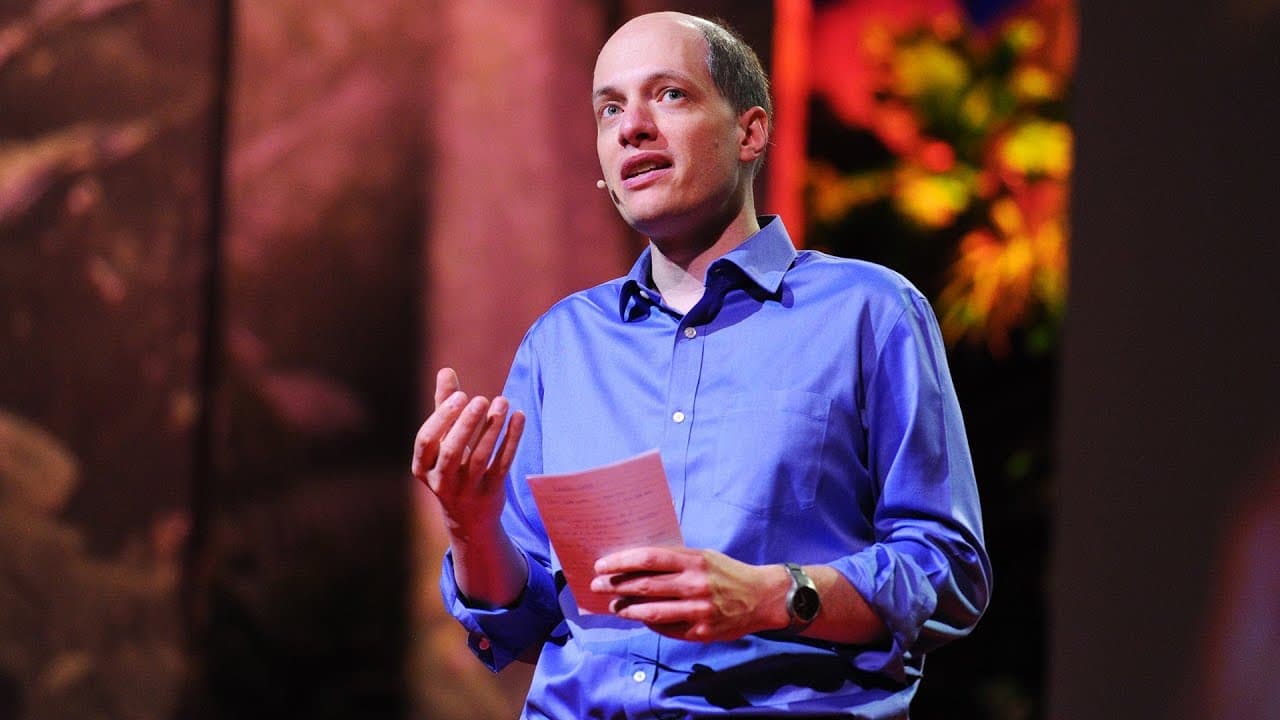
Atheism 2.0 allows atheists to embrace the community, rituals, and moral teachings of religion while rejecting the belief in deities. It suggests that secular institutions can gain valuable insights from the organizational and educational practices of religions, such as the use of repetition for learning and the importance of community engagement.
Transcript
One of the most common ways of dividing the world is into those who believe and those who don't -- into the religious and the atheists. And for the last decade or so, it's been quite clear what being an atheist means. There have been some very vocal atheists who've pointed out, not just that religion is wrong, but that it's ridiculous. These people... Read More
Key Insights
- 🙏 Atheism 2.0 seeks a new version of atheism that embraces the ritualistic and moralistic aspects of religion without the belief in deities.
- 🏫 The secular world can learn from religions when it comes to education, as religions recognize the need for guidance and didactic learning.
- 🔄 Religions use repetition to reinforce lessons and prevent them from being forgotten, while the secular world often values novelty over repetition.
- 📅 Religions provide calendars to structure time and synchronize encounters with important ideas, which the secular world does not prioritize.
- 🎨 Art in religions serves as a tool for propaganda, reminding followers of what to love and fear. Museums should learn from religions and make art more didactic.
- 💒 Religions use institutions and group together to spread their ideas effectively, while isolated individuals in the secular world struggle to bring about change.
- 💡 Even for atheists, there are valuable aspects of religion to learn from, including the sense of community and the moral and spiritual guidance religions provide.
- 🤝 There is a need for polite disagreement and finding common ground between religious and secular individuals, in order to foster understanding and harmony.
- 🎙️ More videos with Alain de Botton:
Install to Summarize YouTube Videos and Get Transcripts
Explore YouTube Video Summarizer or Get YouTube Transcript Extractor
Questions & Answers
Q: What is Atheism 2.0?
Atheism 2.0 is a new version of atheism that acknowledges there is no God or supernatural beings, but also recognizes the value in certain aspects of religion, such as the ritualistic, moralistic, communal, and artistic elements.
Q: What is the main premise of Atheism 2.0?
The main premise of Atheism 2.0 is that while one may not believe in the doctrines or supernatural aspects of religion, there are still valuable aspects of religion that can be utilized and incorporated into a secular worldview.
Q: How do religions approach education differently from the secular world?
Religions view education as a means of guidance, moral instruction, and assistance, while the secular world tends to see education as primarily a source of information and skills. Religions believe in repetitive teaching, recognizing the need to constantly reinforce lessons and provide consistent guidance, unlike the secular belief that information imparted once is sufficient.
Q: How do religions utilize art in their practices?
Religions use art as a means to remind people of what is worthy of love, fear, and hate. Art in religious contexts acts as a visceral encounter with important religious ideas and is considered a tool for propaganda, reinforcing the teachings of the faith. Religions believe in explaining the purpose and meaning behind art, contrary to the secular notion that art should be left open to interpretation.
Q: How do religions create a sense of community and organization that can be beneficial in secular contexts?
Religions successfully create institutions that possess scale, might, collaboration, multinational presence, and clear identity. These institutions allow for the mobilization of resources, ideas, and people towards shared goals. Secular communities can learn from religions in terms of building institutions and collaborating on a larger scale to create positive change.
Summary & Key Takeaways
-
The speaker discusses the divide between religious and atheist beliefs and proposes a new version of atheism called Atheism 2.0.
-
Atheism 2.0 acknowledges the lack of belief in God but also recognizes the appeal of religious rituals, art, and community.
-
The speaker suggests that secular institutions can learn from religions in areas such as education, art, and community building.
Read in Other Languages (beta)
Share This Summary 📚
Summarize YouTube Videos and Get Video Transcripts with 1-Click
Try YouTube Summary with ChatGPT & Claude or YouTube Transcript Generator
Explore More Summaries from TED 📚


Summarize YouTube Videos and Get Video Transcripts with 1-Click
Try YouTube Summary with ChatGPT & Claude or YouTube Transcript Generator