Birth of the Gothic: Abbot Suger and the ambulatory at St. Denis
TL;DR
Abbot Suger revolutionized church design with light and openness at St. Denis.
Transcript
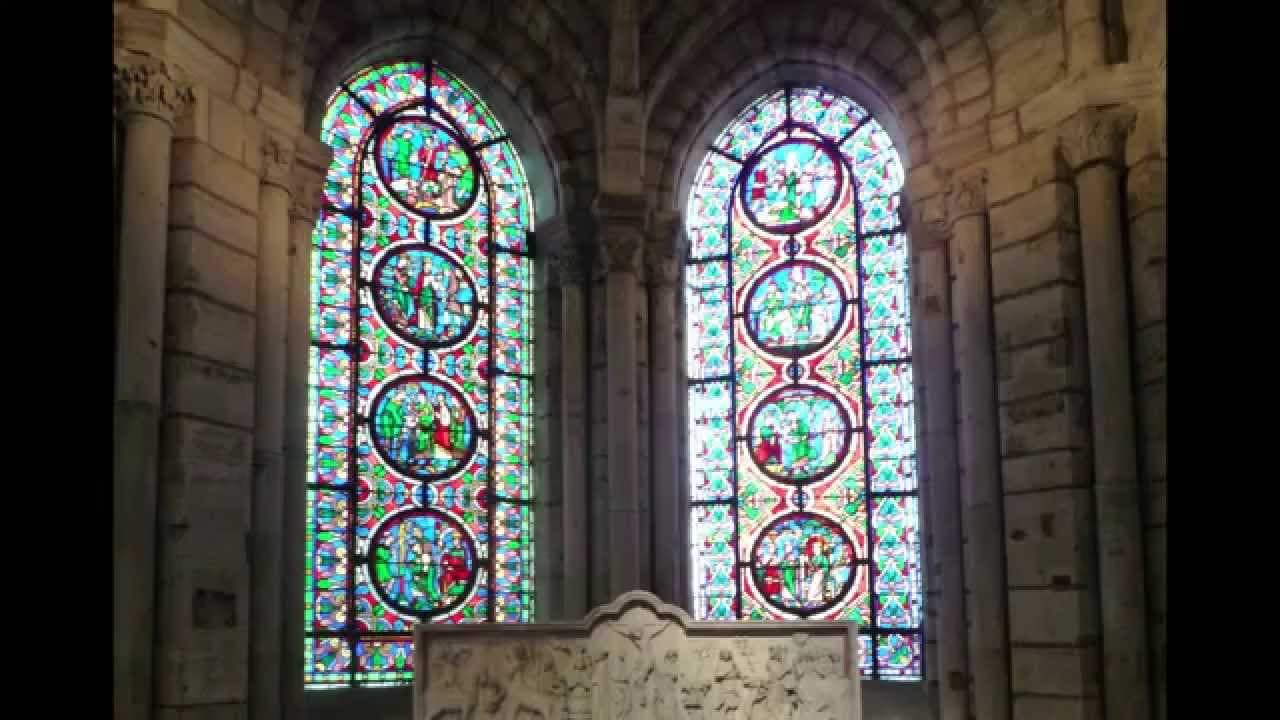
DR. BETH HARRIS: Here we are at the Basilica of Saint Denis. DR. STEVEN ZUCKER: The birthplace of the Gothic. DR. BETH HARRIS: Thanks to Suger, who was the abbot in the first half of the 12th century. This church is incredibly important because it's the burial place of the royal family. since Suger himself was also a advisor to the royal fa... Read More
Key Insights
- Abbot Suger played a pivotal role in the development of Gothic architecture by transforming the Basilica of Saint Denis, emphasizing light and open spaces.
- The Basilica of Saint Denis is significant as the burial place of French royalty, reflecting the growing power of the monarchy during Suger's time.
- Suger innovated by replacing heavy Romanesque walls with pointed arches and ribbed vaults, allowing for larger windows and more light.
- The use of pointed arches helped distribute the weight of the structure downwards, reducing the need for thick walls and enabling more elegant designs.
- Suger was inspired by writings he believed were by Saint Denis, which associated light with the divine, influencing his architectural approach.
- His ideas contrasted with contemporaries like Saint Bernard of Clairvaux, who favored minimalism and simplicity, showing a different path to spiritual experience.
- The Basilica's design aimed to create a heavenly atmosphere on Earth, using light to elevate visitors' spiritual contemplation.
- Suger's architectural innovations at Saint Denis marked a departure from the heavy, grounded feel of Romanesque architecture, introducing a sense of verticality and openness.
Install to Summarize YouTube Videos and Get Transcripts
Explore YouTube Video Summarizer or Get YouTube Transcript Extractor
Questions & Answers
Q: What role did Abbot Suger play in the development of Gothic architecture?
Abbot Suger was instrumental in the development of Gothic architecture through his transformation of the Basilica of Saint Denis. He emphasized the use of light and open spaces, replacing heavy Romanesque walls with pointed arches and ribbed vaults. This allowed for larger windows and more light, creating an atmosphere of elegance and spiritual elevation.
Q: Why is the Basilica of Saint Denis significant?
The Basilica of Saint Denis is significant as the burial place of French royalty. It reflects the growing power of the monarchy during Suger's time. The architectural innovations introduced by Suger, such as the use of light and open spaces, marked a departure from the heavy, grounded feel of Romanesque architecture, showcasing the expanding influence of the French kings.
Q: How did Suger's architectural innovations differ from Romanesque architecture?
Suger's architectural innovations at Saint Denis differed from Romanesque architecture by replacing heavy walls with pointed arches and ribbed vaults, allowing for larger windows and more light. This created a sense of verticality and openness, contrasting with the solid, grounded feel of Romanesque buildings, which often featured small windows and thick walls.
Q: What inspired Suger's architectural approach at Saint Denis?
Suger's architectural approach at Saint Denis was inspired by writings he believed were by Saint Denis, which associated light with the divine. He aimed to create a heavenly atmosphere on Earth, using light to elevate visitors' spiritual contemplation. This approach contrasted with contemporaries like Saint Bernard of Clairvaux, who favored minimalism and simplicity.
Q: How did Suger's use of pointed arches impact church design?
Suger's use of pointed arches in church design was revolutionary. It allowed for the distribution of structural weight downwards, reducing the need for thick walls and enabling more elegant designs. This innovation facilitated the inclusion of larger windows, flooding the interiors with light and creating a more open and spiritual atmosphere.
Q: What was the theological significance of light in Suger's design?
In Suger's design, light held theological significance as it was associated with the divine. He believed that by opening up walls to allow light in, visitors could move from contemplating the light to contemplating God. This notion was radical at the time and contrasted with other theological theories that viewed visual elements as distractions.
Q: How did Suger's ideas contrast with those of Saint Bernard of Clairvaux?
Suger's ideas contrasted with those of Saint Bernard of Clairvaux, who advocated for removing decorative elements to avoid distraction. In contrast, Suger believed that visual beauty and light could transport people spiritually, providing a path to the divine. This difference highlighted an alternative approach to religious experience through architecture.
Q: What was the purpose of the ambulatory in the Basilica of Saint Denis?
The ambulatory in the Basilica of Saint Denis served as a passageway behind the altar, allowing pilgrims to move around and visit small, radiating chapels containing relics. Suger's design opened up these spaces, allowing light to flood in, enhancing the spiritual experience and differentiating the design from previous Romanesque churches with separate, enclosed chapels.
Summary & Key Takeaways
-
Abbot Suger significantly influenced Gothic architecture by transforming the Basilica of Saint Denis, emphasizing light and openness to create a heavenly atmosphere. His use of pointed arches and ribbed vaults allowed for larger windows, replacing heavy Romanesque walls and enabling more elegant designs, reflecting the growing power of the monarchy.
-
Suger's innovations in church architecture were inspired by writings he believed were by Saint Denis, associating light with the divine. This approach contrasted with contemporaries like Saint Bernard of Clairvaux, who favored minimalism, showcasing a different path to spiritual experience through visual and architectural beauty.
-
The Basilica of Saint Denis, as the burial place of French royalty, is significant in reflecting the expanding power of the monarchy during Suger's time. His architectural choices aimed to transport visitors spiritually, using light to elevate contemplation and create a sense of heavenly presence on Earth.
Read in Other Languages (beta)
Share This Summary 📚
Summarize YouTube Videos and Get Video Transcripts with 1-Click
Try YouTube Summary with ChatGPT & Claude or YouTube Transcript Generator
Explore More Summaries from Smarthistory 📚

Summarize YouTube Videos and Get Video Transcripts with 1-Click
Try YouTube Summary with ChatGPT & Claude or YouTube Transcript Generator