Peter Singer - Saving Brains: Innovations to Help Children Thrive

TL;DR
Saving Brains helps children thrive by developing and scaling products, policies, and delivery models that protect and nurture brain development equitably and sustainably. Peter Singer describes a Grand Challenges Canada portfolio of over 700 innovations across more than 80 countries, focused especially on children in low- and middle-income countries. Read on for the scale of the challenge, key risk factors, practical interventions, and paths to sustainability.
Transcript
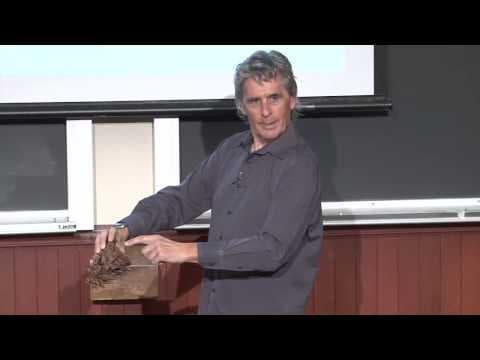
so we're entering our very last phase here we have one final keynote speaker we're very fortunate to have Peter Singer join us from Toronto I've known Peter for a number of years as a close colleague and friend truly an inspiring leader in the global health space a Peter it was at the University of Toronto still as at the University of Toronto as a... Read More
Key Insights
- 👶 Child development is a fundamental societal challenge that requires a shift from survival-focused initiatives to those that promote thriving.
- *️⃣ The Saving Brains initiative has generated a portfolio of over 700 innovations to address key risk factors for child development.
- ⚖️ Partnerships, both domestically and internationally, are crucial for scaling and sustaining these innovations.
Install to Summarize YouTube Videos and Get Transcripts
Explore YouTube Video Summarizer or Get YouTube Transcript Extractor
Questions & Answers
Q: What is Peter Singer’s Saving Brains initiative?
Saving Brains is an initiative focused on helping children not only survive but also thrive. It develops and scales products, policies, and delivery models that protect and nurture brain development in an equitable and sustainable manner.
Q: What child-development problem does Saving Brains address?
The initiative addresses children failing to reach their full physical, cognitive, psychological, and psycho-emotional potential. Peter Singer says this affects one in three children globally, or 200 million children.
Q: What prevents children from reaching their full potential?
The identified risk factors include poverty, poor health and nutrition, insufficient care, and inadequate stimulation. Infection is another concern, with prevention and management included in the initiative’s approach.
Q: How large is the Saving Brains innovation portfolio?
Grand Challenges Canada has produced over 700 innovations in more than 80 countries. The portfolio concentrates on practical ways to improve child development and brain health.
Q: Which Saving Brains innovations are highlighted?
Highlighted examples include a home-visitation program from Jamaica and mobile crèches in India that provide basic education and nutrition to children of migrant workers. Other examples include kangaroo mother care and coaching designed to improve parenting behaviors.
Q: Why does Saving Brains emphasize the first three years of life?
Peter Singer identifies the first three years as an important period for early child development. He says supporting development can produce returns across the life course through better education, health, sociability, and economic outcomes, as well as reduced crime.
Q: How does Saving Brains pursue scale and long-term sustainability?
The initiative works with domestic governments and other organizations to integrate innovations into programs and secure implementation funding. It also explores financial approaches such as development impact bonds.
Q: Can Saving Brains innovations be used in developed countries?
Although the main focus is low- and middle-income countries, some innovations may also apply in developed countries. One example is transferring kangaroo mother care to neonatal intensive care units in developed countries.
Summary & Key Takeaways
-
Peter Singer, the keynote speaker, discussed the need to shift the focus from survival to thriving for children in low and middle-income countries.
-
The Saving Brains initiative has produced over 700 innovations in more than 80 countries to address the problem of children failing to reach their full potential due to poverty, poor health, and insufficient care.
-
Examples of these innovations include home visitation programs, mobile crash centers, kangaroo mother care, and coaching to improve parenting behaviors.
Read in Other Languages (beta)
Share This Summary 📚
Summarize YouTube Videos and Get Video Transcripts with 1-Click
Try YouTube Summary with ChatGPT & Claude or YouTube Transcript Generator
Explore More Summaries from Stanford 📚




Summarize YouTube Videos and Get Video Transcripts with 1-Click
Try YouTube Summary with ChatGPT & Claude or YouTube Transcript Generator