Why Is Childbirth So Painful and Difficult?
TL;DR
Childbirth is challenging due to evolutionary and anatomical factors, including a narrow pelvis and large baby heads. Despite medical advancements, childbirth remains risky and often painful. Women face diverse experiences based on cultural, medical, and personal choices, highlighting the importance of informed decision-making and support during labor.
Transcript
[narrator] This is a stretch test, which engineers use to measure the strength and stretchiness of materials, like rubber. But here, it's testing something different: tissue from a human cervix. The cervix is the gate between a woman's uterus and her vagina. It blocks anything, -like a penis, from going any further up. -[whistle blows] [narrator] A... Read More
Key Insights
- The cervix is an engineering marvel, stretching significantly during pregnancy without breaking.
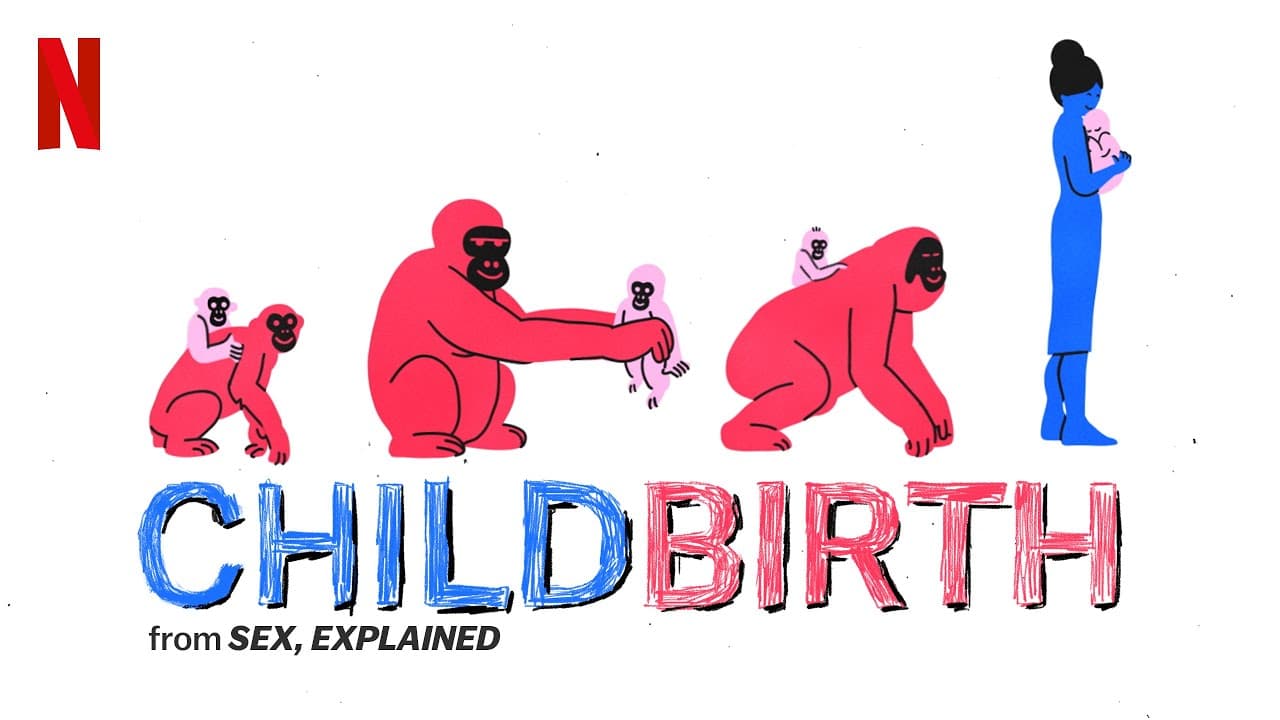
- Human childbirth is more painful than in other primates due to evolutionary adaptations like bipedalism and larger brain sizes.
- C-sections have become common but can lead to complications in future pregnancies if overused.
- Natural childbirth advocates emphasize the importance of informed choices and the potential negative impacts of excessive medical interventions.
- The presence of doulas during childbirth has been shown to reduce the need for medical interventions.
- Epidurals provide effective pain relief but may extend the pushing stage of labor.
- Cultural and racial disparities exist in childbirth experiences, affecting maternal mortality and pain management.
- The natural childbirth movement has led to reduced use of episiotomies and increased support for personalized birth plans.
Install to Summarize YouTube Videos and Get Transcripts
Explore YouTube Video Summarizer or Get YouTube Transcript Extractor
Questions & Answers
Q: Why is human childbirth more painful than in other primates?
Human childbirth is more painful due to evolutionary adaptations such as bipedalism, which led to narrower pelvises, and larger brain sizes, resulting in bigger baby heads. These factors create a tighter fit during birth, making labor more prolonged and painful compared to other primates, who have wider hips and smaller newborn heads.
Q: How do cultural and racial disparities affect childbirth experiences?
Cultural and racial disparities significantly affect childbirth experiences, with black women facing higher maternal mortality rates and often inadequate pain management due to stereotypes and biases. These disparities persist even at similar income levels, highlighting systemic issues in healthcare access and quality that disproportionately impact women of color.
Q: What are the benefits and risks of using epidurals during childbirth?
Epidurals provide effective pain relief by numbing the lower half of the body while keeping the woman alert. They are considered safe for healthy women by the World Health Organization. However, epidurals may extend the pushing stage of labor and reduce bladder control, potentially impacting post-labor mobility and recovery.
Q: How have medical advancements impacted childbirth safety?
Medical advancements, such as the development of C-sections and epidurals, have significantly improved childbirth safety by reducing maternal and infant mortality rates. However, overuse of interventions can lead to complications in future pregnancies, emphasizing the need for balanced and informed decision-making regarding medical procedures during labor.
Q: What role do doulas play in childbirth?
Doulas provide support and advocacy for laboring women, helping ensure their preferences are respected by medical providers. Studies show that the presence of a doula reduces the need for medical interventions, including C-sections, by offering continuous emotional and physical support, which can enhance the overall childbirth experience.
Q: Why do some women choose natural childbirth?
Some women choose natural childbirth to avoid potential side effects of medical interventions, to experience childbirth fully, or due to cultural beliefs that pain is an inherent part of the process. The natural childbirth movement emphasizes empowerment through informed choices and minimal intervention, advocating for a more personalized and holistic approach to labor.
Q: What is the 'cascade of interventions' in childbirth?
The 'cascade of interventions' refers to a series of medical procedures that may follow one another during childbirth, often starting with labor induction or epidurals. While these interventions can be necessary, they may lead to further interventions like C-sections, potentially complicating the childbirth process and affecting maternal mental health.
Q: How has the natural childbirth movement influenced modern birthing practices?
The natural childbirth movement has led to a reduction in unnecessary medical interventions, such as episiotomies, and increased support for personalized birth plans. It has also highlighted the importance of informed decision-making and the role of emotional support during labor, advocating for a more individualized and less medicalized approach to childbirth.
Summary & Key Takeaways
-
Childbirth is inherently difficult for humans due to evolutionary changes like narrow pelvises and larger brain sizes, leading to more painful and prolonged labor compared to other primates. Despite advances in medical technology, childbirth remains a risky and often traumatic experience for many women, with significant variations based on cultural, racial, and personal factors.
-
Medical interventions such as C-sections and epidurals have become more common, providing options for pain relief and reducing mortality but also introducing potential complications. The natural childbirth movement advocates for informed decision-making and minimal medical intervention, emphasizing the importance of personal choice and support during labor.
-
Cultural and racial disparities significantly impact childbirth experiences, with black women facing higher maternal mortality rates and often inadequate pain management. The presence of doulas and reduced use of interventions like episiotomies have improved childbirth experiences, highlighting the need for personalized care and attention to individual needs and preferences.
Read in Other Languages (beta)
Share This Summary 📚
Summarize YouTube Videos and Get Video Transcripts with 1-Click
Try YouTube Summary with ChatGPT & Claude or YouTube Transcript Generator
Explore More Summaries from Vox 📚




Summarize YouTube Videos and Get Video Transcripts with 1-Click
Try YouTube Summary with ChatGPT & Claude or YouTube Transcript Generator