Digestive System
TL;DR
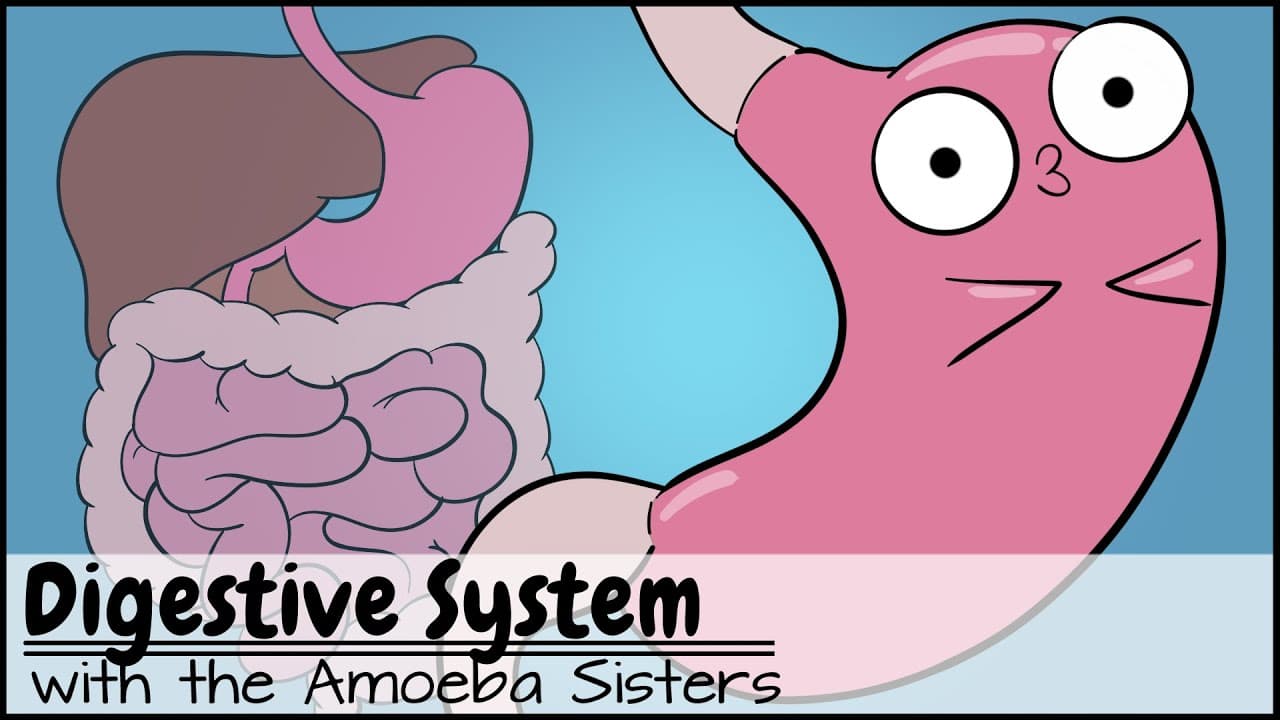
This video explores the human digestive system, focusing on the major tasks of ingestion, digestion, absorption, and elimination.
Transcript
It is no secret that I love the platypus. Many know that the platypus is this cool mammal that can lay eggs. And then you might explore further to find out that, wow, the males can have venomous spurs on their legs?! What? Okay, now you may be thinking, isn’t this a video on digestion and not platypuses? Playtpi. I’ve heard it both ways. Th... Read More
Key Insights
- 🦆 The platypus doesn't have a stomach according to one definition, which raises questions about the complexity of digestion in mammals.
- 🔬 Digestion in mammals involves more than just the stomach; it also includes ingestion, absorption, and elimination.
- 👄 Digestion starts in the mouth, where saliva breaks down biomolecules chemically and teeth grind food mechanically.
- 🤔 The human digestive system consists of the mouth, esophagus, stomach, small intestine, large intestine, and rectum.
- 🧠 The gallbladder, liver, and pancreas play important roles in digestion by releasing digestive juices and enzymes.
- ⚙️ Hormones and other factors regulate the functioning of the digestive system.
- 🤕 Disorders like celiac disease, diverticulitis, and heartburn can affect the digestive system's performance.
- 💡 Understanding the intricacies of digestion helps in managing and treating digestive system-related issues.
Install to Summarize YouTube Videos and Get Transcripts
Explore YouTube Video Summarizer or Get YouTube Transcript Extractor
Questions & Answers
Q: How does digestion start in the mouth?
Digestion actually begins in the mouth, where saliva containing enzymes breaks down some biomolecules chemically, while teeth aid in mechanical digestion by grinding the food.
Q: Where does most nutrient absorption occur?
Most nutrient absorption happens in the small intestine, where the lining contains villi and microvilli with a large surface area for absorbing nutrients.
Q: What is the role of the large intestine?
The large intestine, also known as the colon, primarily reabsorbs water to prevent excessive water loss and houses beneficial bacteria that aid in digestion and even produce some vitamins.
Q: What are some disorders that can affect the digestive system?
Some disorders that involve the digestive system include celiac disease, diverticulitis, and heartburn (gastroesophageal reflux disease). These disorders can impact the function of the digestive system and may require medical attention.
Summary & Key Takeaways
-
The human digestive system is responsible for four major tasks: ingestion, digestion, absorption, and elimination.
-
Digestion starts in the mouth, where saliva breaks down biomolecules both chemically and mechanically.
-
The small intestine is where most nutrient absorption occurs, while the large intestine reabsorbs water and houses beneficial bacteria before elimination.
Read in Other Languages (beta)
Share This Summary 📚
Summarize YouTube Videos and Get Video Transcripts with 1-Click
Try YouTube Summary with ChatGPT & Claude or YouTube Transcript Generator
Explore More Summaries from Amoeba Sisters 📚
Summarize YouTube Videos and Get Video Transcripts with 1-Click
Try YouTube Summary with ChatGPT & Claude or YouTube Transcript Generator