How "prebunking" misinformation works
TL;DR
Social media platforms struggle to effectively combat harmful content while also facing accusations of colluding with the government to suppress conservative speech.
Transcript
60 minutes overtime this week on 60 Minutes we reported on the debate over how companies like meta Google and X moderate harmful content like ha speech and false medical information on their social media platforms some say these companies are not doing enough to combat the proliferation of this content on their platforms but some conservatives clai... Read More
Key Insights
- 💁 Misinformation encompasses fabricated content as well as misleading narratives and biased information presented out of context.
- 💁 Misleading information can significantly impact public attitudes, such as skepticism towards vaccines.
- 🎓 Psychological inoculation, through preemptive education and awareness, can increase resistance to misinformation.
- 🧑💻 Collaboration between academia, government agencies, and tech companies can contribute to the fight against misinformation.
- 😨 Social media platforms face challenges in content moderation and fear criticism and backlash.
- 🥶 Empowering users to identify manipulation is a potential solution to combat misinformation without suppressing free speech.
- ⚖️ The politization of content moderation discussions can hinder efforts to scale up initiatives addressing misinformation.
Install to Summarize YouTube Videos and Get Transcripts
Explore YouTube Video Summarizer or Get YouTube Transcript Extractor
Questions & Answers
Q: How would you define misinformation?
Misinformation refers to false or incorrect information, which can include fabricated content, but a larger portion consists of misleading narratives, biased information, and out-of-context presentation.
Q: Can you provide an example of misleading information during the pandemic?
A headline suggesting that a doctor died due to the COVID-19 vaccine, without any evidence, is highly misleading. Such content circulated on platforms like Facebook, causing doubt and negative attitudes towards vaccination.
Q: How does psychological inoculation help combat misinformation?
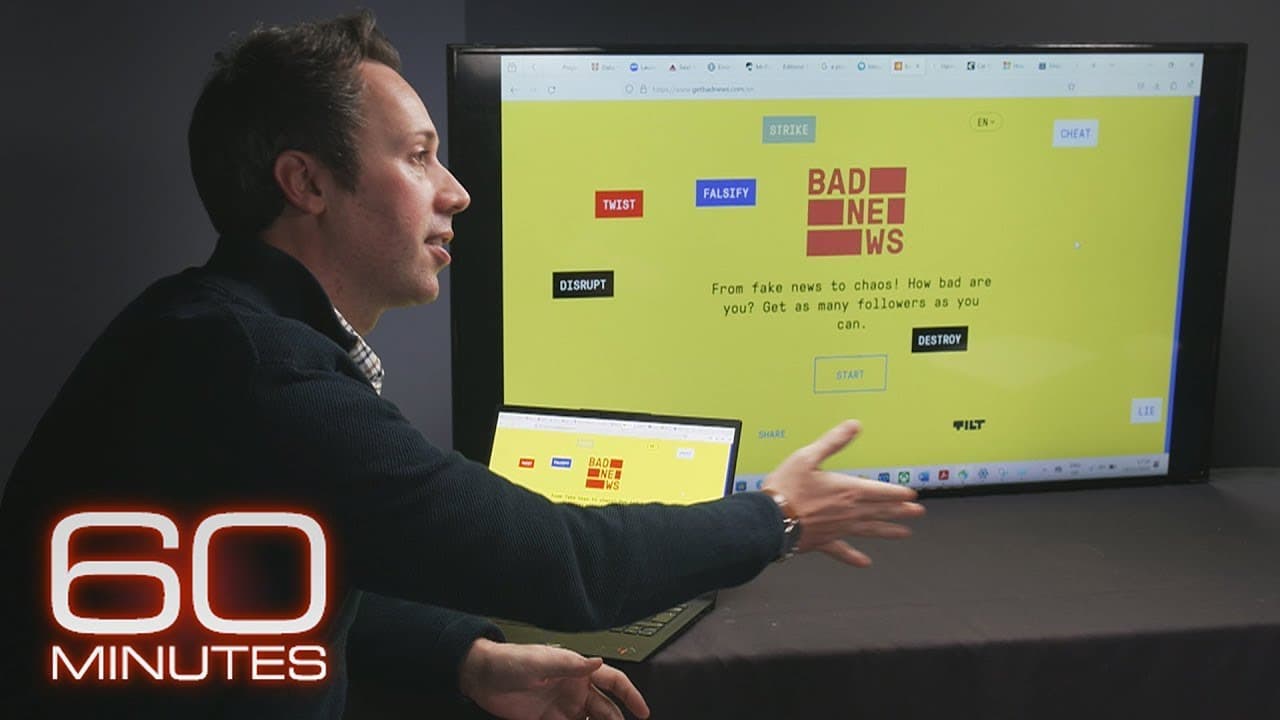
Psychological inoculation aims to educate people about manipulation techniques before they encounter misinformation. By building mental antibodies through awareness and understanding, individuals become more resistant to believing false information.
Q: How are organizations like Cambridge University and Google combating misinformation?
Cambridge University develops videos and video games, in collaboration with government agencies, public health organizations, and tech companies, to help people identify misinformation traits and manipulation techniques. Google has shown interest in empowering users to identify and counter manipulation instead of solely moderating content.
Summary & Key Takeaways
-
Misinformation, which includes false information, misleading narratives, and biased content, forms a significant part of people's media consumption.
-
Misleading information, such as a headline linking a doctor's death to the COVID-19 vaccine, can negatively impact people's attitudes towards vaccination.
-
Psychological inoculation, through preemptive education and awareness, can help individuals develop resistance to misinformation.
Read in Other Languages (beta)
Share This Summary 📚
Summarize YouTube Videos and Get Video Transcripts with 1-Click
Try YouTube Summary with ChatGPT & Claude or YouTube Transcript Generator
Explore More Summaries from 60 Minutes 📚




Summarize YouTube Videos and Get Video Transcripts with 1-Click
Try YouTube Summary with ChatGPT & Claude or YouTube Transcript Generator