How to Optimize Rest Between Sets and Post-Pregnancy Training
TL;DR
Resting between sets should be long enough to allow strength recovery, typically between 30 seconds to three minutes. Post-pregnancy exercise should start slowly, focusing on regaining core stability. Knee pain often stems from hip or ankle issues, not the knee itself. Trainers should focus on long-term client success rather than short-term goals.
Transcript
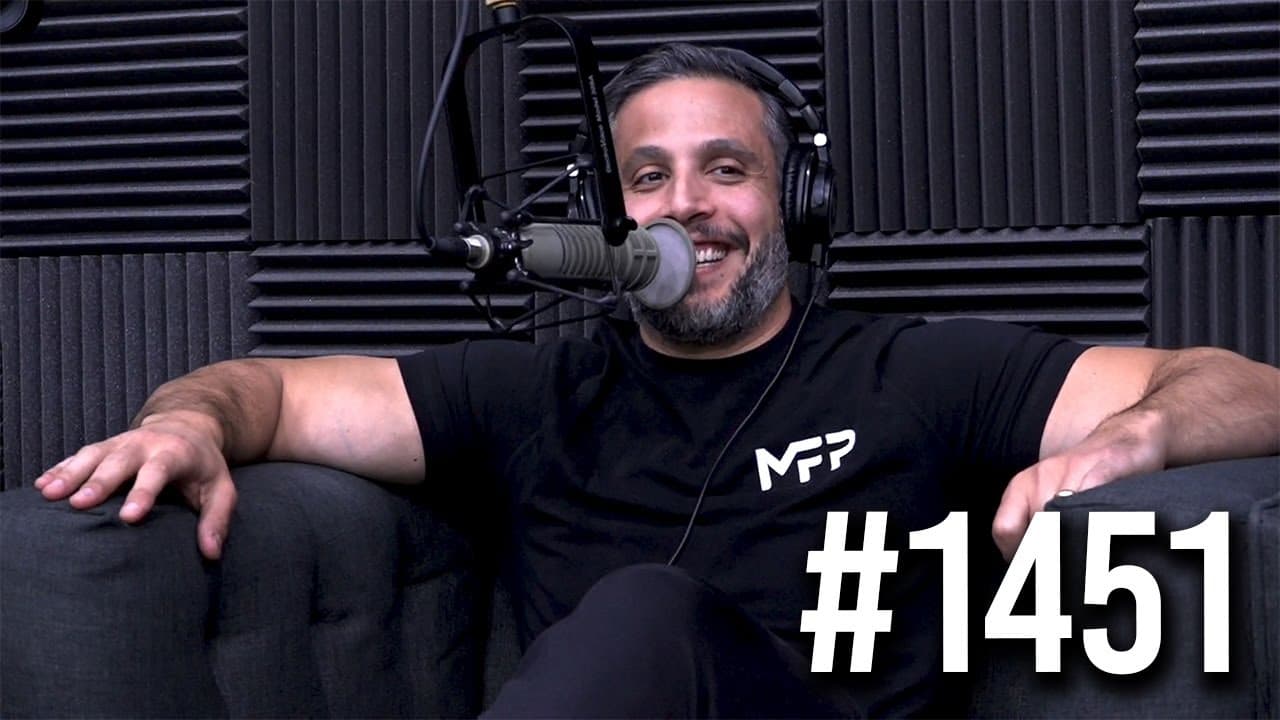
you are listening to the number one fitness health and entertainment podcast this is mind pump you made it now in today's episode we answer fitness and health questions that are asked by our audience and listeners just like you but the way we open the episode is with current events uh fun conversation we mention our sponsors today's intro portion w... Read More
Key Insights
- Rest periods between sets should range from 30 seconds to three minutes, depending on the training goal.
- Post-pregnancy exercise should start slow, focusing on core stability and balance.
- Knee pain often originates from hip or ankle dysfunction, not the knee itself.
- Success as a trainer is better measured by long-term client adherence and lifestyle changes, not just immediate results.
- Foam rolling can temporarily alleviate knee pain but addressing root causes is essential for long-term relief.
- Training for power requires longer rest periods to maintain explosive performance.
- Post-pregnancy, the body is more deconditioned than expected, even if fit before and during pregnancy.
- Effective trainers focus on educating clients for independence, leading to sustained lifestyle changes.
Install to Summarize YouTube Videos and Get Transcripts
Explore YouTube Video Summarizer or Get YouTube Transcript Extractor
Questions & Answers
Q: How long should I rest between sets for optimal strength gains?
For strength gains, rest periods should typically be between two to three minutes. This allows for sufficient recovery of ATP, the energy source for muscle contractions, enabling you to lift heavier weights in subsequent sets. Shorter rest periods may compromise strength by not allowing full recovery.
Q: What is the best way to start exercising after pregnancy?
Post-pregnancy, it's crucial to start with gentle exercises focusing on core stability and balance. Begin with low-intensity workouts, using tools like a stability ball to regain core connection. Gradually increase intensity as your body adapts and regains strength, ensuring safety and effectiveness.
Q: How can I alleviate knee pain through exercise?
Knee pain often results from issues in the hips or ankles. Strengthening and improving mobility in these areas can alleviate stress on the knees. Exercises focusing on hip stability and ankle mobility, along with foam rolling, can help address the root causes of knee discomfort.
Q: What defines success for a personal trainer?
Success for a trainer is defined by the long-term lifestyle changes and adherence of clients, not just immediate results. Educating clients to be independent and fostering sustainable habits leads to lasting health benefits, reflecting true success in personal training.
Q: How does foam rolling help with knee pain?
Foam rolling can temporarily relieve knee pain by loosening tight muscles, particularly the IT band and surrounding tissues. However, for lasting relief, it's important to address the underlying causes, such as hip or ankle dysfunction, through targeted exercises and mobility work.
Q: Why are longer rest periods important for power training?
Longer rest periods, typically two to three minutes, are crucial for power training as they allow complete recovery of energy stores. This ensures that each explosive movement is performed with maximum intensity, improving power output and reducing the risk of injury.
Q: How deconditioned is the body after pregnancy?
After pregnancy, the body can be significantly deconditioned, especially in terms of core stability and muscle activation. Even if you maintained fitness during pregnancy, a break post-delivery can lead to a loss of strength and balance, requiring a gradual and cautious return to exercise.
Q: Why is client education important for personal trainers?
Client education is crucial as it empowers individuals to maintain their fitness journey independently. By understanding exercise principles and lifestyle habits, clients can sustain their health improvements long-term, reducing reliance on trainers and enhancing overall success and satisfaction.
Summary & Key Takeaways
-
Resting between sets is crucial for workout effectiveness. Ideal rest periods range from 30 seconds to three minutes, depending on the goal. Longer rest supports strength and power, while shorter rest can improve endurance. Monitoring rest times can help optimize training results.
-
After pregnancy, the body is often more deconditioned than expected. Starting with slow, stability-focused exercises is key to regaining core strength and balance. Using a stability ball and focusing on full range of motion can aid in a safe and effective recovery.
-
Knee pain is frequently linked to issues in the hips or ankles rather than the knee itself. Correcting these areas can often alleviate knee discomfort. Trainers should aim for long-term client success by fostering sustainable lifestyle changes rather than focusing solely on immediate outcomes.
Read in Other Languages (beta)
Share This Summary 📚
Summarize YouTube Videos and Get Video Transcripts with 1-Click
Try YouTube Summary with ChatGPT & Claude or YouTube Transcript Generator
Explore More Summaries from Mind Pump Show 📚
Summarize YouTube Videos and Get Video Transcripts with 1-Click
Try YouTube Summary with ChatGPT & Claude or YouTube Transcript Generator