Design of Impeller, Impeller Shaft - Design of Pump - Design of Mechanical Systems
TL;DR
Impellers are an essential part of pumps that provide centrifugal acceleration to fluids, and they can be classified based on flow direction, suction type, and design.
Transcript
here we are going to discuss about the impeller and what are some pain now impeller is the main rotating part that provides the centrifugal acceleration do the fluids that is to impart kinetic energy to liquid now we need some criteria for the umbrella the criteria is that it should have adequate mechanical strength it should have interior anti-cor... Read More
Key Insights
- ⛽ Impellers are crucial components of pumps that provide centrifugal acceleration to fluids.
- 💐 Impellers can be classified based on flow direction, suction type, and design.
- #️⃣ The number of impellers determines the number of stages in a pump.
- 🧑🏭 Material selection for impellers is based on factors such as strength, corrosion resistance, and cost-effectiveness.
- 💐 Blades in impellers determine the efficiency and flow characteristics of the pump.
- 👳 Wear rings provide a seal and prevent leakage between the impeller and casing.
- 🥳 The shaft in pumps transmits input power, supports rotating parts, and can experience bending and axial thrust.
- 😩 Shaft sleeves protect the shaft from erosion, corrosion, and wear.
- ✊ Couplings connect the pump shaft and drive mechanism to transmit power.
Install to Summarize YouTube Videos and Get Transcripts
Explore YouTube Video Summarizer or Get YouTube Transcript Extractor
Questions & Answers
Q: What are the criteria for selecting an impeller?
The impeller should have adequate mechanical strength, be made of anti-corrosion material, have low density for ease of casting, and be cost-effective.
Q: How is the material for the impeller chosen?
Cast iron or steel is commonly used for impellers, with cast iron being widely used due to its availability. Steel may be used to control the size of the impeller.
Q: How are impellers classified based on flow direction?
Impellers can be classified as radial flow, axial flow, or mixed flow based on the major direction of flow of the fluid.
Q: What is the role of blades in impellers?
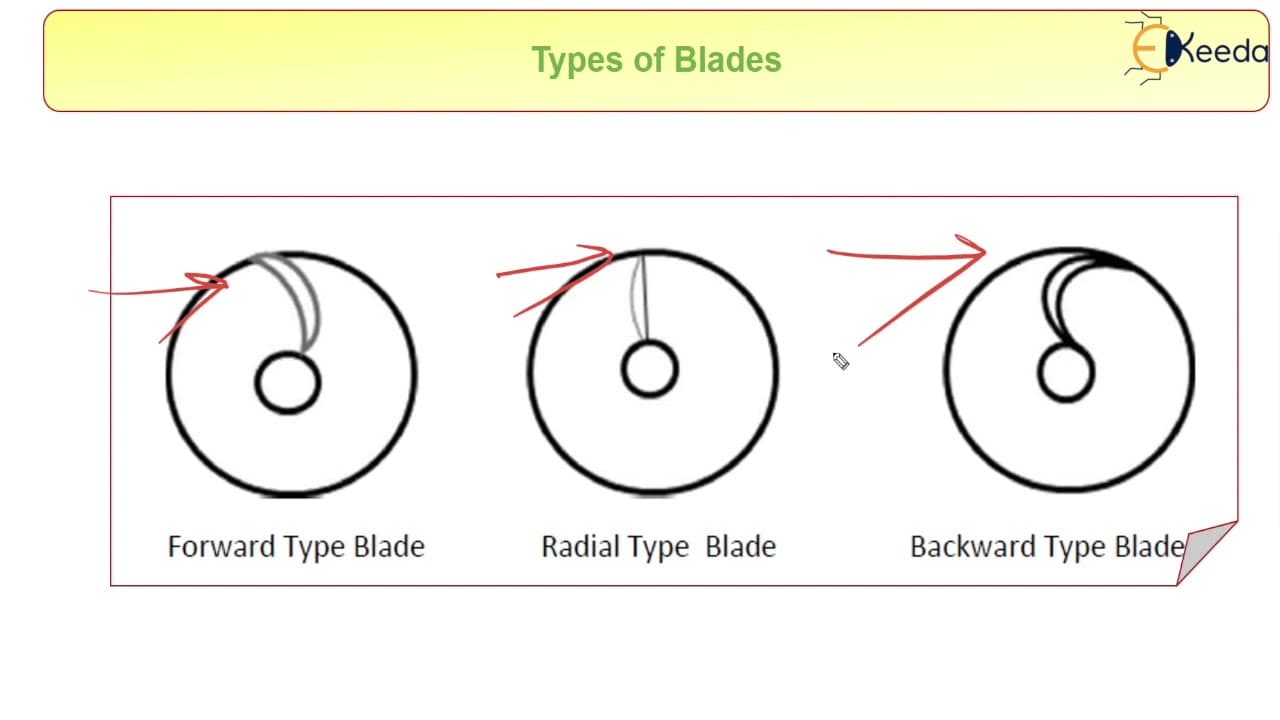
Blades provide mechanical strength to the impeller and determine its efficiency. There are three types of blades: forward, radial, and backward, each suited for different applications.
Q: What is the function of wear rings in impellers?
Wear rings provide a seal between the impeller and casing, preventing leakage and reducing pump efficiency. They are replaceable to maintain optimal clearance.
Q: What is the function of a shaft in a pump?
The shaft transmits input power from the driver to the impeller and supports the rotating parts of the pump. It can experience bending due to impeller weight, dynamic forces, and axial thrust.
Q: Why is a shaft sleeve used in pumps?
A shaft sleeve protects the shaft from erosion, corrosion, and abrasive wear. It also enhances the stiffness of the rotating element and provides a surface for sealing.
Q: How are bearings used in pumps?
Bearings support the weight of the pump assembly, carry hydraulic loads acting on the shaft, and maintain alignment. Taper roller bearings or ball bearings can be used depending on the forces involved.
Summary & Key Takeaways
-
Impellers are the main rotating part of pumps that provide centrifugal acceleration to fluids, imparting kinetic energy to the liquid.
-
Impellers can be classified based on flow direction (radial, axial, mixed), suction type (single section, double section), and design (closed, semi-closed, open).
-
The number of impellers determines the number of stages of the pump, with single stage pumps having one impeller and multi-stage pumps having three or more impellers in series.
Read in Other Languages (beta)
Share This Summary 📚
Summarize YouTube Videos and Get Video Transcripts with 1-Click
Try YouTube Summary with ChatGPT & Claude or YouTube Transcript Generator
Explore More Summaries from Ekeeda 📚





Summarize YouTube Videos and Get Video Transcripts with 1-Click
Try YouTube Summary with ChatGPT & Claude or YouTube Transcript Generator