The story behind this iconic Olympics protest
TL;DR
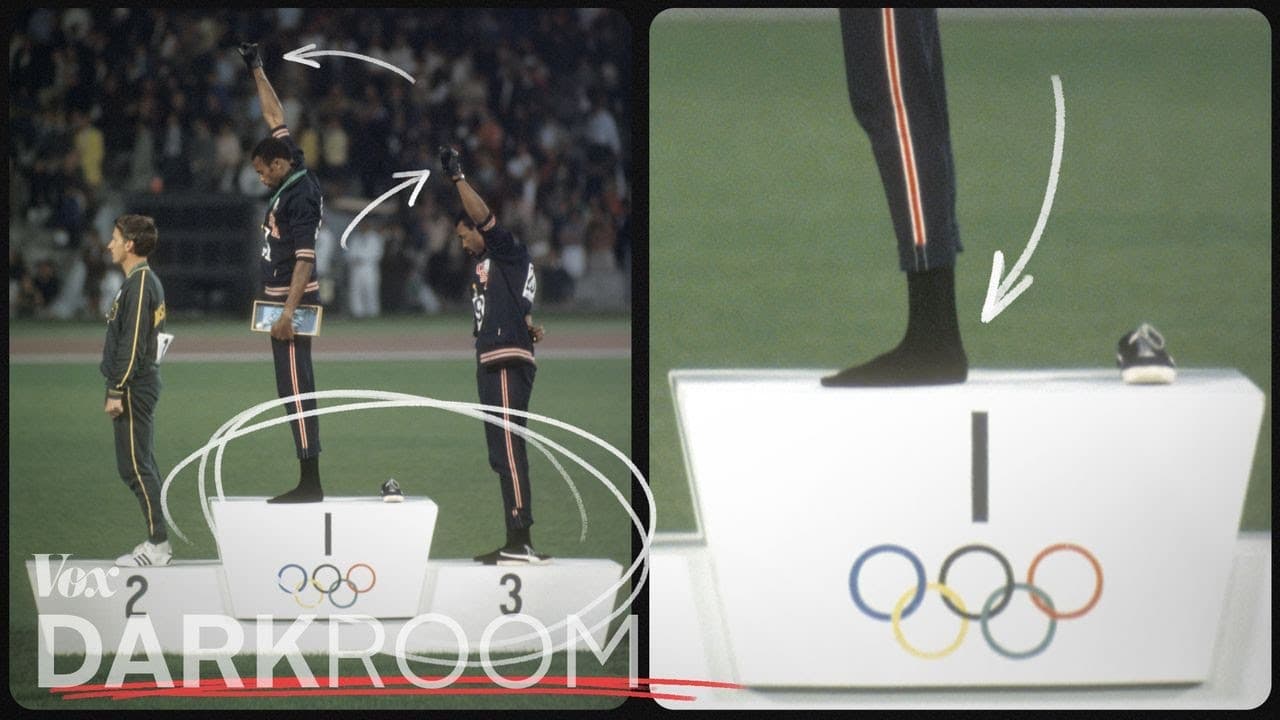
Tommie Smith and John Carlos protested racial injustice at the 1968 Olympics.
Transcript
The 1968 US Olympic track and field team is considered one of the greatest ever assembled to represent the US in the Olympics. They won 28 medals and set 8 world records at the games in Mexico City. The team included some of the fastest runners in the world at the time. Like sprinters Tommie Smith and John Carlos, who made history when they accepte... Read More
Key Insights
- The 1968 US Olympic track and field team was historically successful, winning 28 medals and setting 8 world records, showcasing the era's top athletes.
- Tommie Smith and John Carlos's protest at the Olympics was planned to highlight racial injustice and was rooted in the Olympic Project for Human Rights (OPHR).
- The OPHR, founded by Dr. Harry Edwards, was a coalition of athletes aiming to address systemic racism through a potential Olympic boycott.
- The protest involved symbolic gestures, such as raising black-gloved fists and wearing black socks, to represent Black power, unity, and poverty.
- The protest was influenced by broader social movements, including the Black Power movement and civil rights activism, reflecting widespread frustration with racial inequality.
- Despite the Civil Rights Act of 1964, Black Americans continued to face institutional racism, prompting athletes to use their platform for activism.
- The protest led to Smith and Carlos being expelled from the Olympics, reflecting the controversial nature of political activism in sports at the time.
- The legacy of the protest endures, symbolizing the intersection of sports and political activism, inspiring future athletes like Colin Kaepernick.
Install to Summarize YouTube Videos and Get Transcripts
Explore YouTube Video Summarizer or Get YouTube Transcript Extractor
Questions & Answers
Q: What was the significance of the 1968 US Olympic track and field team?
The 1968 US Olympic track and field team is considered one of the greatest ever, winning 28 medals and setting 8 world records. This team included some of the fastest runners of the time, such as Tommie Smith and John Carlos, who were pivotal in using their athletic platform to protest racial injustice.
Q: What was the Olympic Project for Human Rights?
The Olympic Project for Human Rights (OPHR) was a coalition founded in 1967 by Dr. Harry Edwards, comprising prominent athletes who aimed to address systemic racism through the threat of an Olympic boycott. The OPHR sought to draw attention to racial inequality and had key demands, including the exclusion of apartheid-practicing countries from the Olympics.
Q: What symbolic gestures were used in the 1968 Olympics protest?
During the 1968 Olympics protest, Tommie Smith and John Carlos raised black-gloved fists to symbolize Black power and unity. They wore black socks without shoes to signify poverty, and John Carlos wore his jacket unzipped to show solidarity with working-class Americans. These actions were part of a broader statement against racial injustice.
Q: How did the protest at the 1968 Olympics impact Smith and Carlos?
The protest led to Tommie Smith and John Carlos being expelled from the Olympics. The International Olympic Committee suspended them, revoked their credentials, and ordered them to leave Mexico. Despite the immediate repercussions, their protest became an iconic symbol of activism in sports, highlighting the athletes' commitment to fighting racial injustice.
Q: How did the broader social movements influence the 1968 Olympics protest?
The protest was influenced by the growing Black Power movement and civil rights activism of the 1960s, which emboldened Black athletes to speak out against racial injustices. Despite the Civil Rights Act of 1964, Black Americans continued to face systemic racism, prompting athletes to use their platform to push for change and highlight ongoing inequalities.
Q: What were the key demands of the Olympic Project for Human Rights?
The OPHR had several key demands, including the exclusion of South Africa and Rhodesia from the Olympics due to their apartheid policies, the removal of openly racist International Olympic Committee President Avery Brundage, and the hiring of Black coaches for US teams. These demands aimed to address and draw attention to systemic racism within sports and society.
Q: What was the role of Dr. Harry Edwards in the 1968 Olympics protest?
Dr. Harry Edwards was a key figure in organizing the protest, founding the Olympic Project for Human Rights to address systemic racism. He recognized the potential of using sports as a platform for activism and worked to unite athletes in a collective effort to highlight racial injustices, ultimately influencing the iconic protest by Smith and Carlos.
Q: What is the lasting legacy of the 1968 Olympics protest?
The 1968 Olympics protest by Tommie Smith and John Carlos is remembered as a pivotal moment in the intersection of sports and political activism. It highlighted the power of athletes to use their platform for social change and inspired future generations, including athletes like Colin Kaepernick, to continue advocating for racial equality and justice.
Summary & Key Takeaways
-
The 1968 Olympics saw a historic protest by sprinters Tommie Smith and John Carlos, who used their platform to highlight racial injustice. Their actions were part of a broader movement led by the Olympic Project for Human Rights, which sought to address systemic racism in the United States.
-
The protest involved symbolic gestures, including raised fists and wearing black socks, to signify Black power, unity, and poverty. This act was rooted in the efforts of Dr. Harry Edwards and the OPHR, who considered boycotting the Olympics to draw attention to racial issues.
-
Despite their expulsion from the Olympics, Smith and Carlos left a lasting impact, demonstrating the power of sports as a platform for political activism. Their protest is remembered as a pivotal moment in the fight for racial equality and has inspired future generations of athletes.
Read in Other Languages (beta)
Share This Summary 📚
Summarize YouTube Videos and Get Video Transcripts with 1-Click
Try YouTube Summary with ChatGPT & Claude or YouTube Transcript Generator
Explore More Summaries from Vox 📚

Summarize YouTube Videos and Get Video Transcripts with 1-Click
Try YouTube Summary with ChatGPT & Claude or YouTube Transcript Generator