How to Invest in Multifamily Properties for Passive Income

TL;DR
To invest in multifamily properties for passive income, focus on properties that are separately metered and have central HVAC systems. Building solid partnerships with clearly defined roles is crucial, and using hard money loans for renovations while having multiple exit strategies protects against market fluctuations. Stay proactive by utilizing automated MLS feeds to quickly identify and capitalize on promising investment opportunities.
Transcript
are you looking to become a better real estate investor then hang on because you're about to experience another episode of the world's most popular real estate podcast the BiggerPockets podcast but before we get to this week's show I wanted to invite you to become part of our community biggerpockets.com the real estate investing social network the ... Read More
Key Insights
- Michael Siekerka transitioned from house flipping to buy-and-hold real estate investing, finding more stability in rental income.
- Partnerships in real estate require clear roles and responsibilities to avoid conflicts and ensure success.
- Michael uses automated MLS feeds to stay updated on new property listings, emphasizing the importance of quick action in real estate.
- He prefers properties with separate utilities and central HVAC systems, avoiding window units for better tenant appeal.
- Michael manages his properties remotely using electronic rent collection methods like Innago, Google Wallet, and Chase QuickPay.
- He advises setting strict rules for rent collection and charging late fees to maintain cash flow and tenant discipline.
- Michael uses hard money loans for property renovations, emphasizing the importance of multiple exit strategies in case refinancing fails.
- He values persistence and adaptability in real estate investing, learning from past mistakes to improve future deals.
Install to Summarize YouTube Videos and Get Transcripts
Explore YouTube Video Summarizer or Get YouTube Transcript Extractor
Questions & Answers
Q: What was Michael's first real estate investment?
Michael's first real estate investment was a live-in fix and flip property, which he purchased six months after graduating college. He occupied the property while renovating it, learning valuable lessons about property management and renovation.
Q: How does Michael approach partnerships in real estate?
Michael emphasizes the importance of defining clear roles and responsibilities in real estate partnerships. He learned from early experiences that unclear roles can lead to conflicts, so he now ensures that each partner's contributions and compensation are well-defined.
Q: What criteria does Michael use for selecting properties?
Michael looks for properties with separately metered utilities and central HVAC systems, avoiding window units. He focuses on areas with strong rental demand, such as near college campuses, and prefers properties that can be easily maintained and appeal to tenants.
Q: How does Michael manage his properties remotely?
Michael manages his properties remotely by using electronic rent collection methods like Innago, Google Wallet, and Chase QuickPay. This allows him to track rent payments accurately and communicate with tenants efficiently.
Q: What is Michael's strategy for using hard money loans?
Michael uses hard money loans to finance property renovations, as they offer flexibility and quick access to funds. He emphasizes the importance of having multiple exit strategies, such as refinancing or selling the property, to mitigate the risks associated with hard money loans.
Q: What advice does Michael have for finding a property manager?
Michael advises interviewing potential property managers to understand their response times and checking references to verify their reliability. He also suggests finding managers who are also property investors, as they understand the owner's perspective.
Q: How does Michael handle late rent payments?
Michael sets strict rules for rent collection and charges late fees to maintain cash flow and tenant discipline. He uses electronic rent collection to track payments accurately and communicates with tenants promptly if rent is late.
Q: What sets successful real estate investors apart, according to Michael?
Michael believes that persistence is key to success in real estate investing. Successful investors learn from past mistakes, adapt to market changes, and continue to pursue their goals despite setbacks and challenges.
Summary & Key Takeaways
-
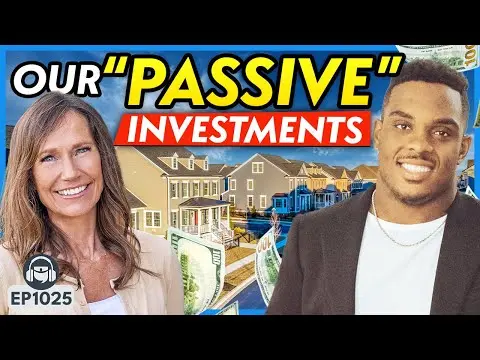
Michael Siekerka discusses his journey from flipping houses to focusing on buy-and-hold multifamily properties. He highlights the importance of partnerships with clear roles and responsibilities to ensure success and avoid conflicts.
-
He shares his criteria for selecting properties, emphasizing separately metered utilities and central HVAC systems. Michael also discusses his approach to managing properties remotely using electronic rent collection methods.
-
Michael outlines his strategy for using hard money loans for renovations and refinancing later. He stresses the need for multiple exit strategies and the importance of persistence and adaptability in real estate investing.
Read in Other Languages (beta)
Share This Summary 📚
Summarize YouTube Videos and Get Video Transcripts with 1-Click
Try YouTube Summary with ChatGPT & Claude or YouTube Transcript Generator
Explore More Summaries from BiggerPockets 📚




Summarize YouTube Videos and Get Video Transcripts with 1-Click
Try YouTube Summary with ChatGPT & Claude or YouTube Transcript Generator