How ski warfare created biathlon
TL;DR
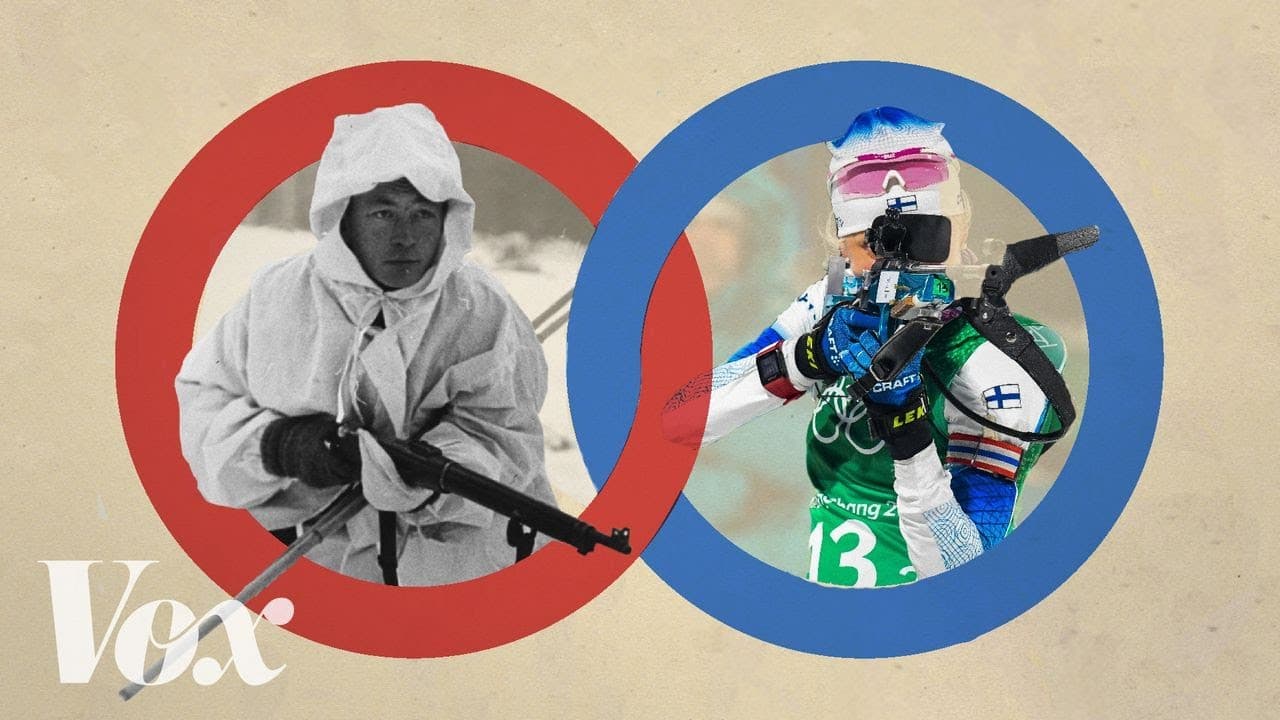
Biathlon evolved from military exercises to a popular Olympic sport.
Transcript
This is biathlon. A timed ski race where you shoot at rifle ranges along the course. It’s awesome, but also kind of odd. There’s no other sport that combines athleticism and weaponry the same way. Although it’s popular in Europe, most Americans only know it from whatever James Bond movie that was. It’s For Your Eyes Only, by the way. But that’s not... Read More
Key Insights
- Biathlon is a unique sport that combines skiing and rifle shooting, originating from military exercises in Norway.
- Oscar Wergeland, a Norwegian officer, formalized ski drills for troops, which laid the foundation for biathlon.
- Ski warfare played a significant role in both World Wars, notably during the Winter War between Finland and Russia.
- The transition from military exercise to sport began with the 1924 Winter Olympics demonstration event, 'Military Patrol'.
- Despite losing the 1940 Winter War, Finnish ski troops inflicted heavy losses on the Russians using alpine skills.
- After WWII, soldiers popularized skiing globally, leading to the sport's evolution and the boom of the ski industry.
- In 1960, biathlon was officially recognized as an Olympic sport, marking its transition to a professional competitive sport.
- Modern biathlon retains its military roots, requiring athletes to balance intense physical exertion with precise mental focus.
Install to Summarize YouTube Videos and Get Transcripts
Explore YouTube Video Summarizer or Get YouTube Transcript Extractor
Questions & Answers
Q: What is the origin of biathlon?
Biathlon originated as a military exercise in Norway, formalized by Oscar Wergeland, a Norwegian military officer who combined skiing with rifle shooting drills for his troops. This combination was initially used to train soldiers for winter warfare, eventually evolving into the sport known today.
Q: How did biathlon transition from military exercise to Olympic sport?
Biathlon's transition began with the 1924 Winter Olympics, where a demonstration event called 'Military Patrol' featured skiing and shooting. Post-WWII, soldiers popularized skiing, leading to the sport's growth. In 1960, biathlon was officially included in the Winter Olympics, marking its evolution into a competitive sport.
Q: What role did ski warfare play in World Wars?
Ski warfare was significant in both World Wars, particularly during the 1940 Winter War between Finland and Russia. Finnish ski troops used their alpine skills to inflict heavy losses on the larger Russian forces, demonstrating the effectiveness of skiing in military tactics despite ultimately losing the battle.
Q: How did the end of WWII impact the popularity of skiing?
After WWII, returning soldiers popularized skiing globally, shifting from military applications to recreational pursuits. This led to a boom in the ski industry, with many former soldiers engaging in ski racing, skill competitions, and the development of biathlon as a sport, contributing to its growing popularity.
Q: What challenges do modern biathletes face?
Modern biathletes face the challenge of transitioning between intense physical exertion from skiing and the mental precision required for shooting. They must maintain focus and accuracy despite elevated heart rates and rapid breathing, a skillset reminiscent of the demands faced by soldiers in battle.
Q: Why is biathlon particularly popular in Europe?
Biathlon's popularity in Europe can be attributed to its historical roots and the region's strong skiing culture. The sport's evolution from military exercises, coupled with Europe's winter climate and terrain, has fostered a deep connection and enthusiasm for biathlon among European audiences.
Q: What changes have occurred in biathlon since its inception?
Since its inception, biathlon has undergone changes in rules and equipment, including advancements in skis and rifles. Despite these changes, the core elements of combining skiing with shooting remain, preserving the sport's military origins while adapting to modern competitive standards.
Q: How does biathlon reflect its military origins?
Biathlon reflects its military origins through the combination of physical endurance and mental focus required, akin to the skills needed by soldiers in battle. The sport's structure, involving skiing and shooting, mirrors the historical military exercises designed to train troops for winter warfare scenarios.
Summary & Key Takeaways
-
Biathlon, a sport combining skiing and rifle shooting, has its roots in military exercises developed in Norway. It was formalized by Oscar Wergeland, who created ski drills for troops. This unique sport evolved from a military necessity into a competitive Olympic event, reflecting its historical military origins.
-
During both World Wars, ski warfare was crucial, especially in the 1940 Winter War where Finnish troops used skiing skills effectively against Russia. Post-war, soldiers brought skiing to the masses, leading to the sport's growth and the eventual introduction of biathlon as an Olympic sport in 1960.
-
Modern biathlon still echoes its military past, demanding athletes to switch from intense skiing to precise shooting. Despite changes over the decades, the sport's military origins are evident in its structure and the skills required, making it a unique and challenging competition.
Read in Other Languages (beta)
Share This Summary 📚
Summarize YouTube Videos and Get Video Transcripts with 1-Click
Try YouTube Summary with ChatGPT & Claude or YouTube Transcript Generator
Explore More Summaries from Vox 📚




Summarize YouTube Videos and Get Video Transcripts with 1-Click
Try YouTube Summary with ChatGPT & Claude or YouTube Transcript Generator