Emerging Technology Series: Biotechnology--The Potential and Perils of Innovation
TL;DR
Experts discuss biotechnology's advancements and implications for national security.
Transcript
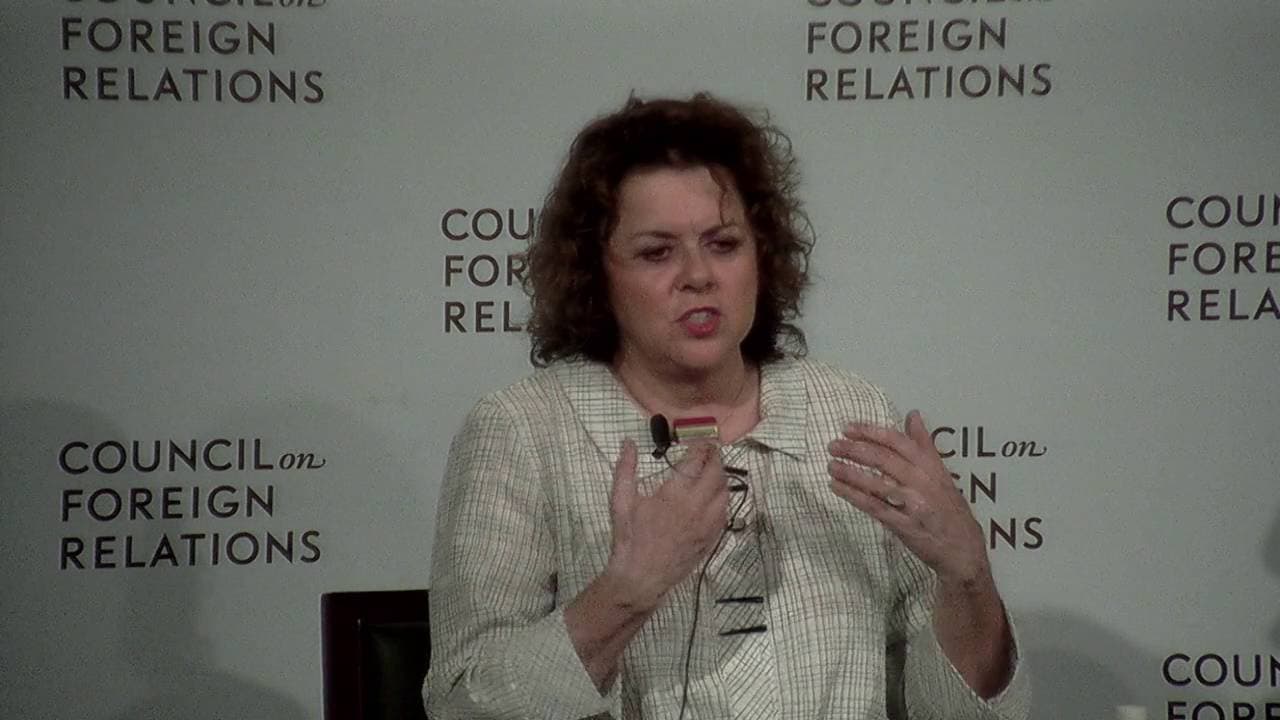
NICHOLS: This is part of the Emerging Technology Series at the Council on Foreign Relations, and today's topic is "Biotechnology: Potential and Perils of Innovation." My name is Rod Nichols, and I'm honored to be presiding today. You're in for a treat. Those of you wanted an intellectual treat, you're in for a treat because it's a brilliant panel. ... Read More
Key Insights
- Biotechnology, especially CRISPR, offers transformative potential in medicine, such as creating better pain medications without traditional poppy farming.
- The ease and accessibility of CRISPR technology raise significant safety and ethical concerns, particularly around unintended ecological impacts.
- There is a lack of comprehensive, sustained scholarship and strategic thinking around biosecurity and the ethical implications of biotechnology.
- The rapid advancement of biotechnology parallels the early days of computer science, with potential for significant societal impact.
- Global collaboration and consistent regulatory frameworks are crucial to managing biotechnology's risks, but differing national policies pose challenges.
- The cultural understanding of 'security' varies globally, affecting international collaboration on biosecurity issues.
- High school and undergraduate programs like iGEM are crucial in shaping the future of biotechnology and biosecurity practices.
- Public understanding and engagement are vital to shaping biotechnology policy, as scientific literacy is unevenly distributed globally.
Install to Summarize YouTube Videos and Get Transcripts
Explore YouTube Video Summarizer or Get YouTube Transcript Extractor
Questions & Answers
Q: How does biotechnology, especially CRISPR, transform medicine?
Biotechnology, particularly CRISPR, holds transformative potential in medicine by enabling the development of better treatments. For example, it allows for the production of pain medications without traditional poppy farming, which could lead to more accessible and less addictive alternatives. This technology also facilitates innovations in cancer treatment, such as modifying immune cells to target tumors more effectively.
Q: What are the safety and ethical concerns associated with CRISPR technology?
The ease and accessibility of CRISPR technology raise significant safety and ethical concerns. These include the potential for unintended ecological impacts, such as altering essential microbial balances or affecting the evolutionary trajectory of species. The technology's simplicity also means it could be misused, intentionally or accidentally, by individuals without proper oversight, leading to potential biosecurity risks.
Q: Why is there a need for sustained scholarship in biosecurity?
There is a lack of comprehensive, sustained scholarship and strategic thinking around biosecurity and biotechnology's ethical implications. Unlike nuclear security, which has established schools of thought and strategies, biosecurity lacks a similar framework. This gap hinders the development of effective policies to manage biotechnology's potential risks and maximize its benefits.
Q: How does biotechnology's advancement compare to the early days of computer science?
Biotechnology's rapid advancement parallels the early days of computer science, with significant potential for societal impact. Just as computer science revolutionized industries and daily life, biotechnology is poised to transform fields like medicine, agriculture, and environmental management. This comparison highlights the need for strategic planning and investment to harness biotechnology's full potential responsibly.
Q: What challenges exist in creating global regulatory frameworks for biotechnology?
Global collaboration and consistent regulatory frameworks are crucial to managing biotechnology's risks, but differing national policies pose challenges. Countries have different cultural perceptions of 'security,' affecting their willingness to collaborate on biosecurity issues. Additionally, the rapid pace of technological advancement often outpaces government regulation, complicating efforts to establish effective oversight.
Q: How do cultural perceptions of 'security' affect international biosecurity collaboration?
The cultural understanding of 'security' varies globally, affecting international collaboration on biosecurity issues. Some countries perceive security measures as self-serving for Western nations, leading to resistance. This perception complicates efforts to establish global norms and frameworks for managing biotechnology's risks, as countries prioritize their own interests and security concerns.
Q: What role do educational programs like iGEM play in biotechnology?
Programs like iGEM are crucial in shaping the future of biotechnology and biosecurity practices. They engage students globally in genetic engineering projects, fostering a culture of safety and innovation. These programs help develop the next generation of biotechnology leaders, who will be instrumental in advancing the field responsibly and addressing its ethical and security challenges.
Q: Why is public understanding important in shaping biotechnology policy?
Public understanding and engagement are vital to shaping biotechnology policy, as scientific literacy is unevenly distributed globally. Informed citizens can contribute to policy discussions and help ensure that biotechnology advances align with societal values. However, the complexity of biotechnology issues often leads to polarized opinions or disengagement, underscoring the need for effective science communication and education.
Summary & Key Takeaways
-
The panel discusses the transformative potential of biotechnology, particularly CRISPR, in fields like medicine. However, the ease of using such technologies raises significant safety and ethical concerns, especially regarding unintended ecological impacts.
-
There is a critical need for sustained strategic thinking and scholarship around biosecurity and biotechnology's ethical implications. The rapid pace of biotechnological advancement parallels the early days of computer science, indicating substantial societal impact.
-
Global collaboration and consistent regulatory frameworks are essential to managing biotechnology's risks. However, differing national policies and cultural perceptions of 'security' complicate international cooperation on biosecurity issues.
Read in Other Languages (beta)
Share This Summary 📚
Summarize YouTube Videos and Get Video Transcripts with 1-Click
Try YouTube Summary with ChatGPT & Claude or YouTube Transcript Generator
Explore More Summaries from Council on Foreign Relations 📚


Summarize YouTube Videos and Get Video Transcripts with 1-Click
Try YouTube Summary with ChatGPT & Claude or YouTube Transcript Generator