Why Is Financial Literacy Education So Poor in the US?
TL;DR
Financial literacy education in the US is inadequate, with over half of adults lacking essential financial knowledge, contributing to high debt and low savings. Historical shifts in education focus have sidelined financial topics, but recent legislative changes propose mandatory classes that show promise in improving financial behaviors and literacy among students.
Transcript
If you've clicked on this video, you're probably familiar with this kind of sentiment Why are we taught financial literacy in school? Imagine if school taught us compound interest over mitochondria being the power house of the cell ...things I still don't understand: credit card debt isn't taught in high school. To some extent, research supports th... Read More
Key Insights
- Financial literacy is essential for economic stability, yet over half of U.S. adults are financially illiterate, contributing to widespread financial instability.
- The lack of financial education in schools results in adults struggling with credit card debt, insufficient retirement savings, and emergency expenses.
- While many adults agree on the necessity of financial literacy courses, the challenge lies in retaining the information taught in schools.
- Financial literacy involves understanding key concepts like interest rates, inflation, and risk diversification, requiring both vocabulary knowledge and mental calculations.
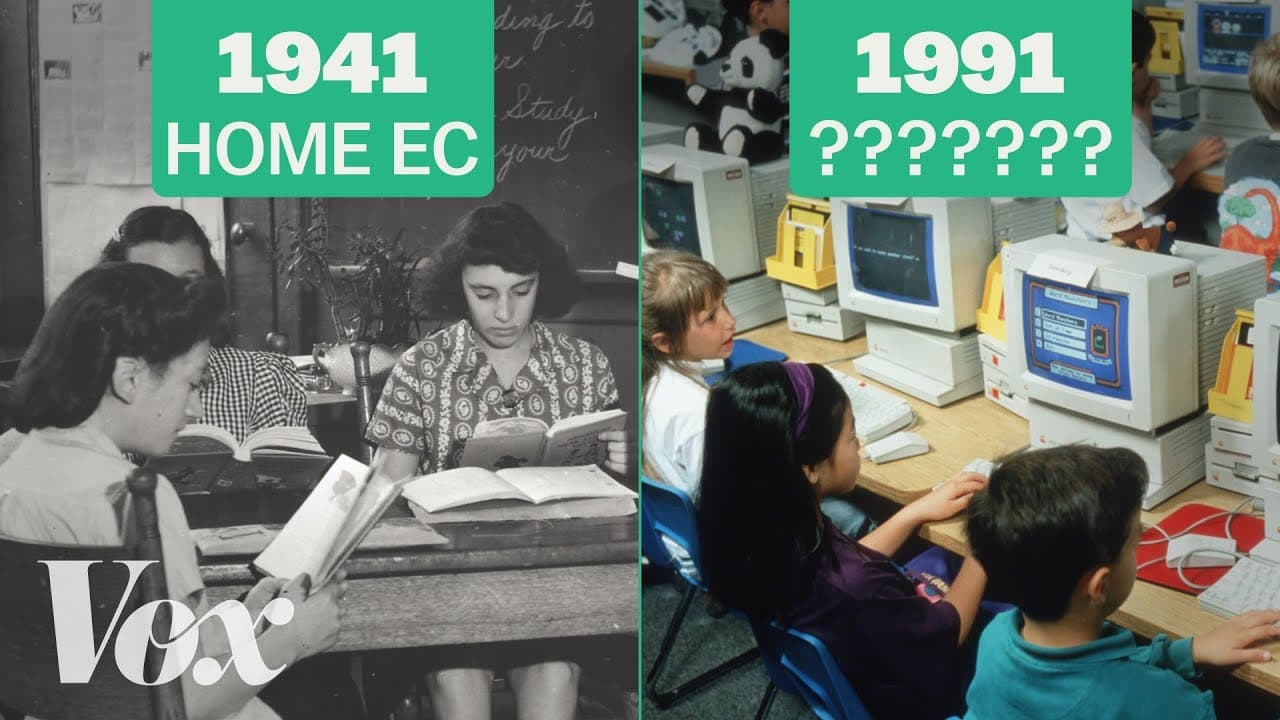
- Historically, financial education was part of home economics classes, but the focus shifted to math and science due to the space race and educational reforms.
- Recent legislative efforts show a resurgence in financial education, with more states requiring standalone courses or integrating finance topics into existing curricula.
- Research indicates that financial education improves credit scores, reduces delinquency, and encourages better financial decisions among students and their families.
- The effectiveness of financial education varies, with some topics like retirement planning being less impactful for high school students due to their distant relevance.
Install to Summarize YouTube Videos and Get Transcripts
Explore YouTube Video Summarizer or Get YouTube Transcript Extractor
Questions & Answers
Q: Why is financial literacy important?
Financial literacy is crucial as it directly impacts individuals' ability to manage their finances effectively. Without understanding basic financial concepts, people are more likely to accumulate debt, lack sufficient savings, and make poor investment decisions. This can lead to economic instability both at personal and national levels, highlighting the need for widespread financial education.
Q: What is the historical context of financial education in the US?
Historically, financial education was integrated into home economics classes, teaching students money management alongside skills like sewing and baking. However, the focus shifted in the late 1950s due to the space race, prioritizing math and science education. This shift, alongside educational reforms, reduced the emphasis on financial literacy in schools.
Q: How has financial education changed in recent years?
In recent years, there has been a resurgence in financial education, with more states implementing mandatory financial literacy courses or integrating financial topics into existing curricula. Legislative efforts have increased access to financial education, showing positive impacts on students' financial behaviors and encouraging better financial decisions.
Q: What are the key components of financial literacy?
Key components of financial literacy include understanding interest rates, inflation, and risk diversification. This knowledge requires familiarity with financial vocabulary and the ability to perform mental calculations. Financial literacy is akin to learning a new language, where foundational knowledge must be built over time to effectively manage personal finances.
Q: What impact does financial education have on financial behaviors?
Financial education has been shown to improve credit scores, reduce delinquency rates, and encourage better financial decisions. It helps individuals understand and manage their finances more effectively, leading to reduced reliance on high-risk financial products like payday loans and fostering responsible financial planning and investment behaviors.
Q: Why is financial education not always effective for high school students?
Financial education may not always be effective for high school students due to the perceived irrelevance of certain topics, like retirement planning, which seem distant and less applicable to their current lives. Tailoring financial education to be more relevant and engaging can improve retention and application of financial concepts among students.
Q: What are the challenges in retaining financial literacy knowledge?
Retaining financial literacy knowledge is challenging because financial concepts require continuous reinforcement and practical application. Many students receive only a brief introduction to financial topics, which is insufficient for long-term retention. Effective financial education should involve ongoing learning and real-world applications to reinforce understanding and retention.
Q: What legislative efforts are being made to improve financial education?
Legislative efforts to improve financial education include introducing mandatory financial literacy courses in schools and integrating financial topics into existing curricula. These efforts aim to provide comprehensive financial education, with several states already implementing such measures and others considering similar bills. These initiatives have shown positive impacts on students' financial literacy and behaviors.
Summary & Key Takeaways
-
Financial literacy is crucial for economic stability, yet many U.S. adults lack basic financial knowledge, contributing to high debt and poor savings. Despite past financial education efforts, retention remains a challenge. Recent legislative changes aim to improve financial education access and effectiveness, with promising results in credit scores and financial behaviors.
-
Historically, financial education was part of home economics classes, but shifted focus due to the space race and educational reforms prioritizing math and science. Recent legislative efforts are reviving financial education, with states introducing mandatory courses or integrating financial topics into existing curricula, showing positive impacts on financial behaviors.
-
Research shows financial education improves credit scores, reduces delinquency, and encourages better financial decisions. However, the effectiveness varies, with topics like retirement planning being less impactful for high school students. Continued efforts and research are needed to optimize financial education and improve financial literacy among Americans.
Read in Other Languages (beta)
Share This Summary 📚
Summarize YouTube Videos and Get Video Transcripts with 1-Click
Try YouTube Summary with ChatGPT & Claude or YouTube Transcript Generator
Explore More Summaries from Vox 📚



Summarize YouTube Videos and Get Video Transcripts with 1-Click
Try YouTube Summary with ChatGPT & Claude or YouTube Transcript Generator