Do Matrixyl and Copper Peptide Creams and Serums Work? | Dr Dray
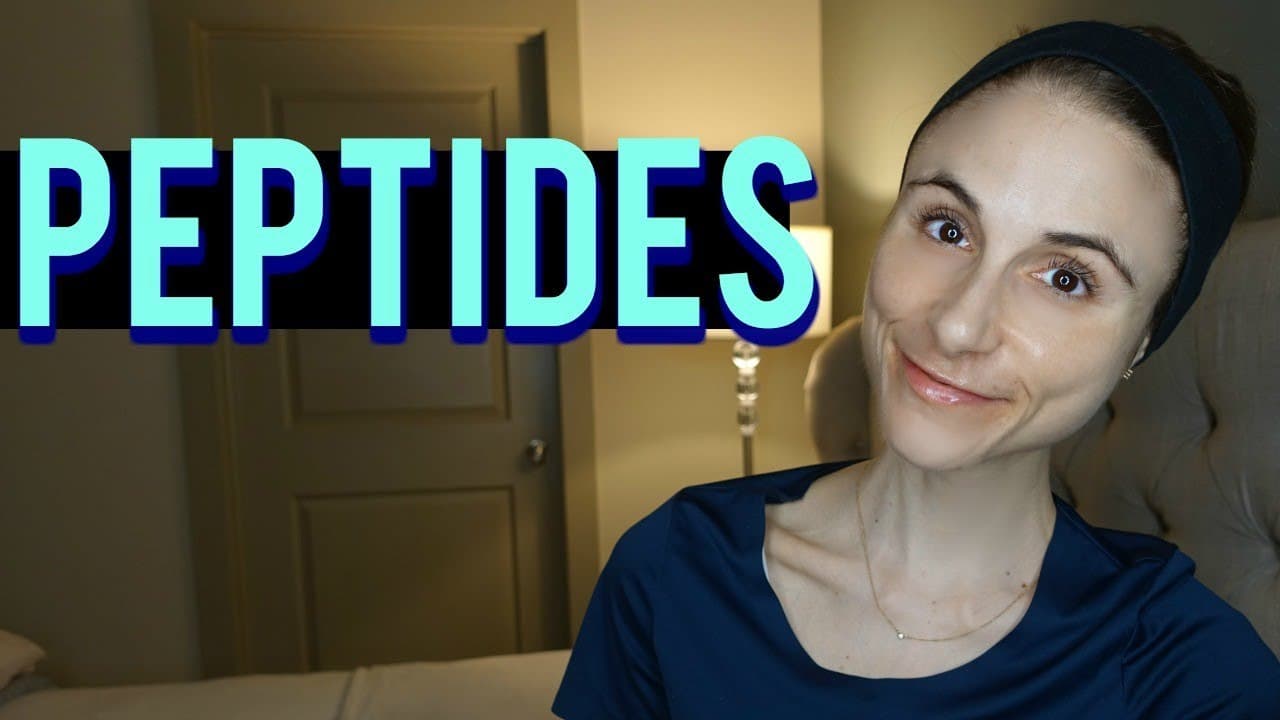
TL;DR
Peptide creams and serums mainly help by acting as humectants that retain water and temporarily make skin look plumper, while evidence that they penetrate human skin, stimulate collagen, or reverse aging remains limited. Laboratory studies show that peptides such as Matrixyl can stimulate fibroblasts in a dish, but the epidermal barrier makes comparable effects in skin seem unlikely. Read on to understand their benefits, limitations, and potential risks.
Transcript
well hey guys I hope your week it's going well I'm just finishing the last few drags all my coffee here this morning before heading out just put a little bit of the CeraVe healing ointment on my lips and right before I head out I'm colleague on reapply a little sunscreen I'm wearing this ministry of supplies shirt that I got I think back in the fal... Read More
Key Insights
- 💦 Peptides in skincare products primarily act as humectants, helping the skin retain water and appear plump.
- 🖤 The claims made by cosmeceutical companies regarding the regenerative and anti-aging properties of peptides lack scientific evidence.
- 🇸🇬 The effectiveness of peptides in stimulating collagen production and reducing pore size on human skin is uncertain.
Install to Summarize YouTube Videos and Get Transcripts
Explore YouTube Video Summarizer or Get YouTube Transcript Extractor
Questions & Answers
Q: Do peptide creams and serums work for anti-aging?
Peptide products can moisturize the skin by binding water, which may temporarily make wrinkles and pores look less prominent. However, laboratory findings that peptides stimulate collagen do not establish that they penetrate human skin or reverse visible aging.
Q: What do peptides do in skincare products?
Peptides primarily act as humectants, helping the skin hold onto water and reducing evaporation. This hydration can make dry or dull skin appear smoother, plumper, and more supple.
Q: What is a peptide?
A peptide is a chain of amino acids that serves as a precursor to larger proteins in the body. Those proteins form tissues and support biological processes such as scavenging free radicals and repairing DNA.
Q: What is Matrixyl in skincare?
Matrixyl is a trademarked synthetic peptide with a fatty acid attached to it. The fatty acid is intended to improve penetration into deeper skin layers, where the peptide could theoretically stimulate fibroblasts to make collagen.
Q: Does Matrixyl stimulate collagen production?
Matrixyl can stimulate fibroblasts to make more collagen when it is applied to cells in a laboratory dish. The transcript says comparable results in skin appear unlikely because the epidermis acts as a barrier.
Q: Can peptide skincare make pores look smaller?
Peptides may temporarily make pores appear smaller by retaining water and plumping the surrounding skin. This is described as a space-filling effect rather than evidence that peptides permanently change pore size.
Q: Why might skin look better after using a peptide serum?
After cleansing, exfoliating, peels, or retinoid use, water loss can make skin look dry and dull while emphasizing wrinkles and pores. A peptide serum can hold onto some of that water, producing a temporary plumping and smoothing effect.
Q: What are the potential risks of copper peptides in skincare?
The existing page content notes that excessive copper may generate free radicals and cause inflammation. It also says evidence is limited for claims that copper peptides reverse DNA damage or prevent skin aging.
Summary & Key Takeaways
-
Peptides are a chain of amino acids that serve as precursors for proteins in our body, and applying peptide molecules to fibroblasts in the skin may stimulate collagen production and make pores appear smaller.
-
Cosmeceutical companies have capitalized on this observation and bioengineered various peptides for use in skincare products.
-
Peptides in skincare products primarily act as moisturizers by helping the skin retain water, but there is no conclusive evidence to support claims of their anti-aging and regenerative properties.
Read in Other Languages (beta)
Share This Summary 📚
Summarize YouTube Videos and Get Video Transcripts with 1-Click
Try YouTube Summary with ChatGPT & Claude or YouTube Transcript Generator
Explore More Summaries from Dr Dray 📚
Summarize YouTube Videos and Get Video Transcripts with 1-Click
Try YouTube Summary with ChatGPT & Claude or YouTube Transcript Generator