What Are Medical Humanities and Why Are They Important?
TL;DR
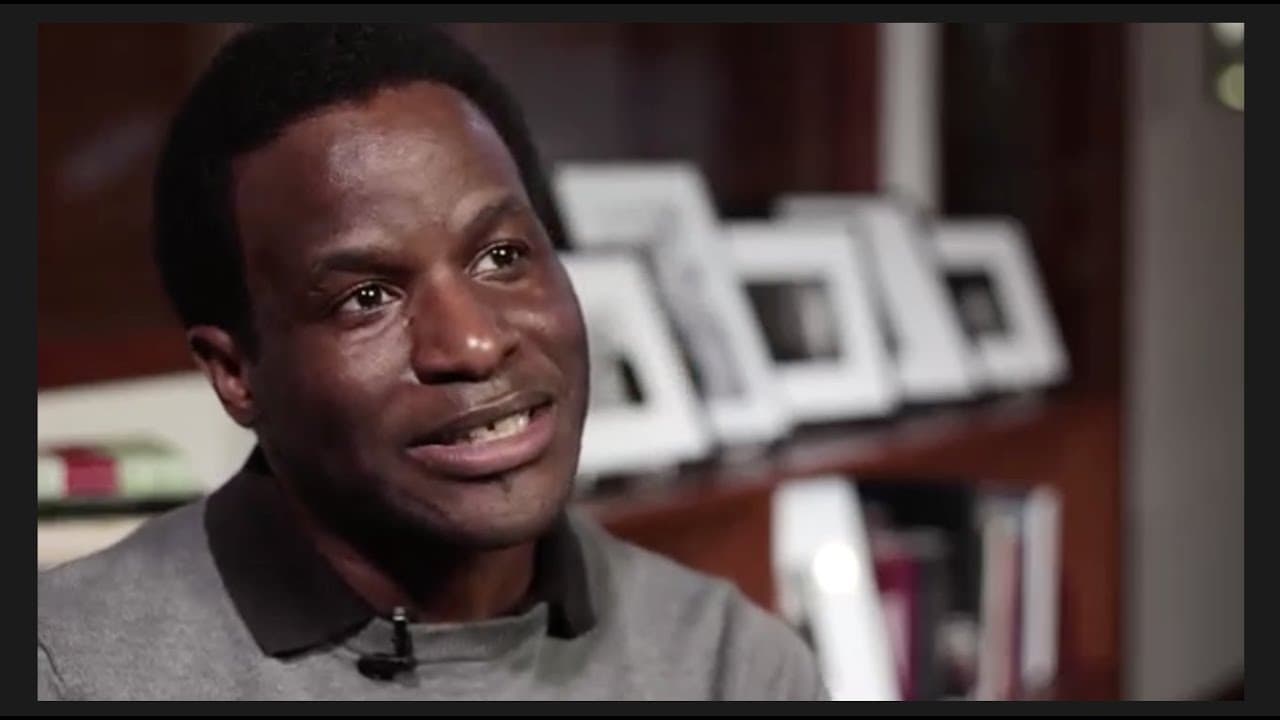
Medical humanities examines the intersection of medicine, literature, and ethics, emphasizing the importance of critical thinking and diverse perspectives in healthcare. It explores how literary works and policy inform medical practices, highlighting that medicine is a confluence of scientific and humanistic knowledge. This approach fosters better patient care by recognizing the complexities of human experience.
Transcript
you cannot start to do humanistic inquiry without thinking critically without without undermining your assumptions and also making arguments that recognize and incorporate the validity of other kinds of arguments that way of actually going about doing work is something that's essential to Medicine essential to the surgeon to the physician to the nu... Read More
Key Insights
- 🤔 Critical thinking and challenging assumptions are essential in humanistic inquiry within healthcare professions.
- 🤔 Medical humanities involves the study of literature, policy, and the intersection of scientific and literary thinking.
- 😷 The analysis of novels and policy declarations provides insights into medical intervention and the formation of medical fields.
- 😨 Historical research and attention to language enhance the understanding and approach to patient care.
- 💁 Medicine is a Confluence of different forms of knowledge, and privileging scientific knowledge alone limits caring capacity.
- 😷 Medical humanities offers opportunities for comprehensive care and critical awareness of healthcare practices.
- ❓ The complexities of human existence cannot be isolated from the experience of illness.
Install to Summarize YouTube Videos and Get Transcripts
Explore YouTube Video Summarizer or Get YouTube Transcript Extractor
Questions & Answers
Q: What is the significance of incorporating humanistic inquiry into healthcare professions?
Incorporating humanistic inquiry into healthcare professions allows for critical thinking, challenging assumptions, and incorporating diverse perspectives. This leads to a more comprehensive and holistic approach to patient care.
Q: How does medical humanities contribute to the understanding of medicine and disease?
Medical humanities, through the study of literature and policy, provides insights into ethical issues, the formation of medical fields, and the historical context of medical practices. It helps healthcare professionals gain a deeper understanding of medicine and disease beyond the scientific perspective.
Q: How does the analysis of novels and policy declarations contribute to medical knowledge?
Analyzing novels and policy declarations helps uncover metaphors, tropes, and rhetorical devices used by physicians and policymakers to argue for different fields of medical intervention. It contributes to the formation and understanding of medical knowledge, including Global health and world literature.
Q: Why should healthcare professionals consider historical research and language in their practice?
Historical research and attention to language allow healthcare professionals to critically analyze their own methods of caring and become more aware of the complexities of human existence. It provides a more comprehensive understanding of patient care and allows for a more empathetic approach.
Summary & Key Takeaways
-
The speaker discusses the importance of critical thinking and incorporating diverse perspectives in humanistic inquiry within healthcare professions.
-
Medical Humanities is a field that encompasses the study of medicine, humanistic inquiry, and expression, including literature and policy making.
-
The speaker examines the differences and commonalities between the thinking processes of policymakers and novelists when addressing medical and ethical issues.
Read in Other Languages (beta)
Share This Summary 📚
Summarize YouTube Videos and Get Video Transcripts with 1-Click
Try YouTube Summary with ChatGPT & Claude or YouTube Transcript Generator
Explore More Summaries from Stanford 📚
Summarize YouTube Videos and Get Video Transcripts with 1-Click
Try YouTube Summary with ChatGPT & Claude or YouTube Transcript Generator