U.S. Public Increasingly Concerned by the Rise of ISIS
TL;DR
Foreign policy concerns rise but unlikely to sway midterms.
Transcript
MARTIN: Welcome, everyone. My name is Betsy Fisher Martin and I am a CFR member. And it is my honor to welcome you all to the first CFR meeting of this new school year. So welcome. And we are very happy to have two fine gentlemen here... (UNKNOWN): Two Michaels. MARTIN: Yes, two Michaels. We'll go Mike and Michael just to clarify. We have Mike Alle... Read More
Key Insights
- Polling indicates a shift towards Republican favor in the 2014 midterm elections, similar to the 2010 outcomes, with engagement and turnout differentials tilting sharply towards Republicans.
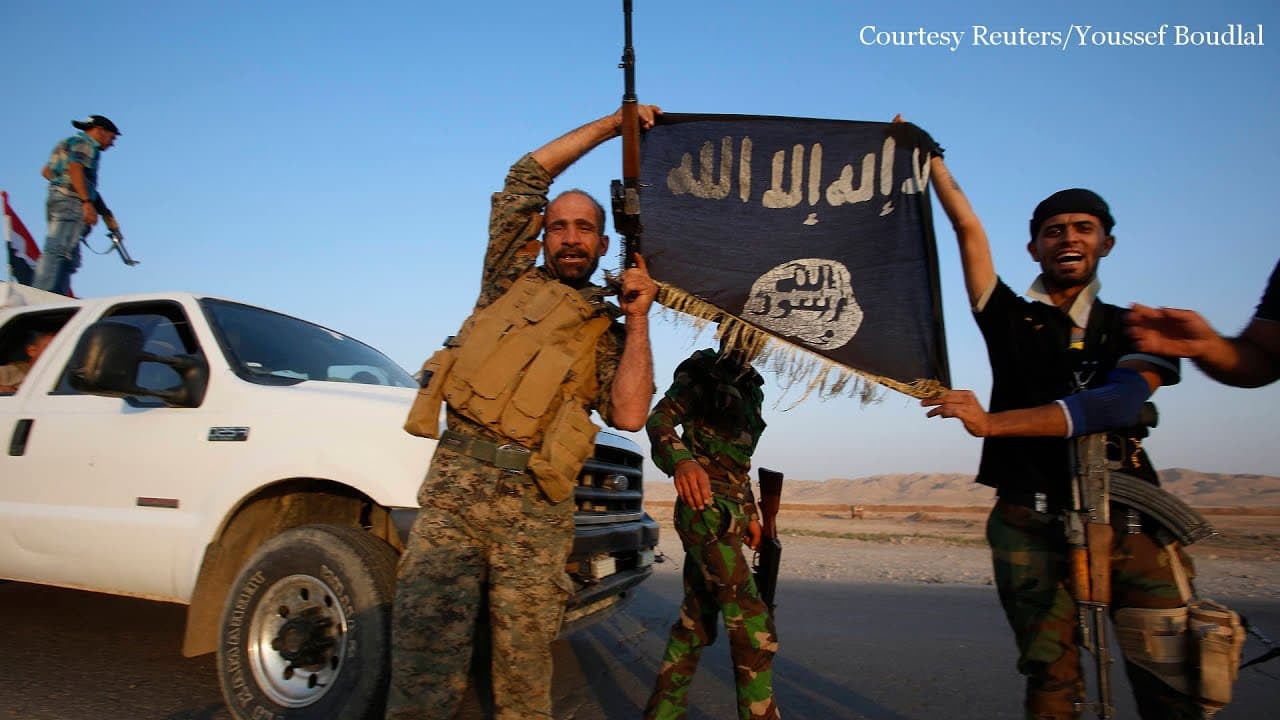
- The rise of ISIS and recent events like the beheadings have significantly shifted public opinion towards supporting more active U.S. foreign policy, marking a departure from years of relative isolationism.
- Despite the increased focus on foreign policy, domestic issues and President Obama's approval ratings are expected to dominate the midterm elections.
- The Democratic base appears less energized than the Republican base, partly due to President Obama's decisions, such as delaying immigration reform, which could affect turnout.
- In key Senate races, candidates are cautious about foreign policy positions, reflecting uncertainty about public opinion's permanence on interventionism.
- President Obama's strategy speech on ISIS aims to reassure the public of his leadership and address perceptions of inaction, although it is uncertain if it will significantly boost his approval ratings.
- The Republican Party faces internal divisions on foreign policy, with figures like Rand Paul advocating for less interventionist stances, which may influence the 2016 presidential primaries.
- The potential shift in Senate control could impact Obama's final years in office, with expectations of increased reliance on regulatory actions rather than legislative achievements.
Install to Summarize YouTube Videos and Get Transcripts
Explore YouTube Video Summarizer or Get YouTube Transcript Extractor
Questions & Answers
Q: How are the 2014 midterms expected to compare to previous elections?
The 2014 midterms are expected to resemble the 2010 elections, with polling indicating a Republican advantage. Engagement and turnout differentials are sharply in favor of Republicans, similar to the wave that occurred in 2010. However, Democrats are less exposed than in 2010, limiting potential Republican gains.
Q: What factors have led to a shift in public opinion towards more active U.S. foreign policy?
The shift in public opinion towards more active U.S. foreign policy is primarily driven by recent events involving ISIS, such as beheadings, which have heightened perceptions of a direct threat to American security. This marks a departure from a decade of relative isolationism characterized by war fatigue and economic concerns.
Q: Will foreign policy play a significant role in the 2014 midterm elections?
Foreign policy is unlikely to play a significant role in the 2014 midterm elections. While there is increased public concern due to ISIS, domestic issues and President Obama's approval ratings are expected to dominate the elections. Candidates are cautious about foreign policy positions due to uncertainty about public opinion's permanence.
Q: What challenges do Democrats face in energizing their base for the midterms?
Democrats face challenges in energizing their base due to President Obama's approval ratings and decisions like delaying immigration reform, which could impact turnout. The Democratic base appears less motivated than the Republican base, which still feels energized by opposition to Obama and his policies.
Q: How might President Obama's strategy speech on ISIS affect his approval ratings?
President Obama's strategy speech on ISIS aims to reassure the public of his leadership and address perceptions of inaction. However, it is uncertain if the speech will significantly boost his approval ratings, as public confidence in his foreign policy handling has been shaken, and one speech may not change this perception.
Q: What internal divisions exist within the Republican Party regarding foreign policy?
The Republican Party faces internal divisions on foreign policy, with figures like Rand Paul advocating for less interventionist stances. This contrasts with more traditional Republican views favoring engagement. These divisions may influence the 2016 presidential primaries, where foreign policy could be a decisive factor.
Q: What impact could a Republican-controlled Senate have on Obama's final years in office?
A Republican-controlled Senate could lead to increased reliance on regulatory actions by President Obama, as legislative achievements may become more challenging. The White House is already planning for this possibility, with expectations that legislative results will differ little regardless of the Senate's exact composition.
Q: How are key Senate races being influenced by candidates' foreign policy positions?
In key Senate races, candidates are cautious about foreign policy positions, reflecting uncertainty about public opinion's permanence on interventionism. While ISIS has shifted public opinion towards supporting more active U.S. foreign policy, candidates are wary of taking definitive stances that may not align with voters' evolving views.
Summary & Key Takeaways
-
Polling suggests a Republican advantage in the upcoming midterms, with engagement and turnout differentials reminiscent of 2010. Democrats face challenges due to President Obama's approval ratings and a less energized base.
-
The rise of ISIS has shifted public opinion towards supporting more active U.S. foreign policy. However, this shift may be specific to the current context and not indicative of a broader change in American engagement.
-
Foreign policy is unlikely to play a major role in the midterms, with domestic issues and perceptions of Obama's leadership taking precedence. The potential Republican Senate control could shape Obama's final years in office.
Read in Other Languages (beta)
Share This Summary 📚
Summarize YouTube Videos and Get Video Transcripts with 1-Click
Try YouTube Summary with ChatGPT & Claude or YouTube Transcript Generator
Explore More Summaries from Council on Foreign Relations 📚


Summarize YouTube Videos and Get Video Transcripts with 1-Click
Try YouTube Summary with ChatGPT & Claude or YouTube Transcript Generator