How Will Africa’s Population Boom Change the World?
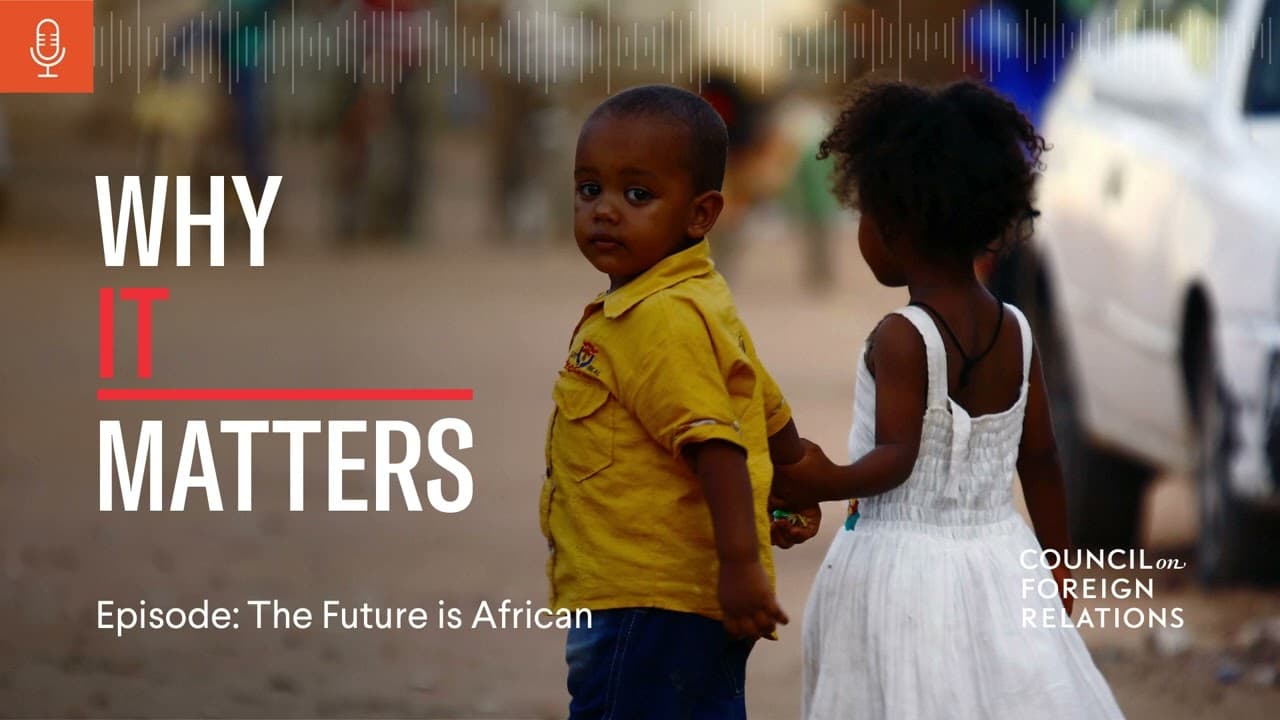
TL;DR
Africa's population boom could transform the continent or exacerbate challenges.
Transcript
SIERRA: Thoughts about Africa can fall into cliches. There’s the romanticized image of endless natural beauty - waterfalls, rainforests, golden savannahs dotted by elephants and lions. And then there’s this idea of Africa as a perpetual humanitarian tragedy - famine, epidemics, violent coups and bitter tribal conflicts. Yes, Africa has all of t... Read More
Key Insights
- Africa's population is expected to double by 2050, making one in four people globally African, presenting both challenges and opportunities.
- The youth bulge in Africa could propel nations to economic power like China, but without job creation, it risks poverty and conflict.
- Africa's demographic profile is unique, with over 70% of the population under 30, leading to significant political and economic implications.
- The continent's rapid urbanization is influencing political activism, with young people demanding more from governments.
- China is heavily investing in Africa, building infrastructure and establishing strong trade partnerships, outpacing Western involvement.
- Corruption and governance issues are significant barriers to leveraging Africa's demographic dividend for economic growth.
- Cultural and artistic output from Africa is thriving, with young Africans connecting globally, influencing arts, culture, and politics.
- International perceptions and partnerships with Africa are crucial, with the U.S. lagging behind China in strategic engagement.
Install to Summarize YouTube Videos and Get Transcripts
Explore YouTube Video Summarizer or Get YouTube Transcript Extractor
Questions & Answers
Q: What are the potential outcomes of Africa's population boom?
Africa's population boom could lead to economic growth and increased geopolitical influence if the youth bulge is harnessed effectively. However, without sufficient job creation and innovation, it could exacerbate poverty, unemployment, and conflict, presenting significant challenges for the continent.
Q: How is China involved in Africa's development?
China is heavily involved in Africa, investing in infrastructure projects like airports, roads, and ports. It has become Africa's most significant trading partner, providing financing for large projects and seeking political influence, positioning itself as an alternative to Western partners.
Q: What challenges do African countries face with their youth population?
African countries face challenges such as high unemployment rates among the youth, the need for massive job creation, and the risk of radicalization. Governance issues, including corruption and inadequate systems, further complicate efforts to leverage the demographic dividend for economic growth.
Q: How is Africa's urbanization affecting its political landscape?
Africa's rapid urbanization is facilitating political activism, as young people in urban areas can organize more easily, demand government accountability, and engage in demonstrations. This urban growth is reshaping political dynamics and increasing demands for better governance and service delivery.
Q: What role does culture play in Africa's population boom?
Africa's young population is driving a cultural renaissance, with significant contributions to music, literature, and art. Young Africans are globally connected, influencing cultural trends and creating a new sense of Africanness, which is impacting global arts and cultural exchanges.
Q: Why is the U.S. falling behind in Africa compared to China?
The U.S. has been slower to engage with Africa compared to China, which has made strategic investments in infrastructure and trade. The U.S. has faced criticism for its lack of involvement and missed opportunities in forging strong partnerships with African nations, risking losing influence on the continent.
Q: What is the significance of Africa's demographic trends for global economics?
Africa's demographic trends, with a rapidly growing and youthful population, are significant for global economics. The continent's potential for economic growth and innovation could reshape global markets, and its increasing influence in international institutions will be crucial for addressing global challenges.
Q: How can Africa's youth be harnessed for economic growth?
To harness Africa's youth for economic growth, there must be investments in education, job creation, and infrastructure. Empowering young people through innovation, entrepreneurship, and governance reforms can unlock their potential, transforming the continent into a major economic power.
Summary & Key Takeaways
-
Africa's population is set to double by 2050, creating both opportunities for economic growth and challenges like unemployment and poverty. The youth bulge could drive innovation but requires strategic investment and job creation to avoid social unrest.
-
China has established a strong presence in Africa, investing in infrastructure and trade. Meanwhile, Western nations, particularly the U.S., have been slower to engage, risking missing out on Africa's potential economic boom.
-
Africa's rapid urbanization and young population are reshaping cultural and political landscapes, with increased activism and demand for better governance. The continent's future will significantly impact global economics and geopolitics.
Read in Other Languages (beta)
Share This Summary 📚
Summarize YouTube Videos and Get Video Transcripts with 1-Click
Try YouTube Summary with ChatGPT & Claude or YouTube Transcript Generator
Explore More Summaries from Council on Foreign Relations 📚


Summarize YouTube Videos and Get Video Transcripts with 1-Click
Try YouTube Summary with ChatGPT & Claude or YouTube Transcript Generator