How Does the U.S. Influence Global Democracy and Extremism?
TL;DR
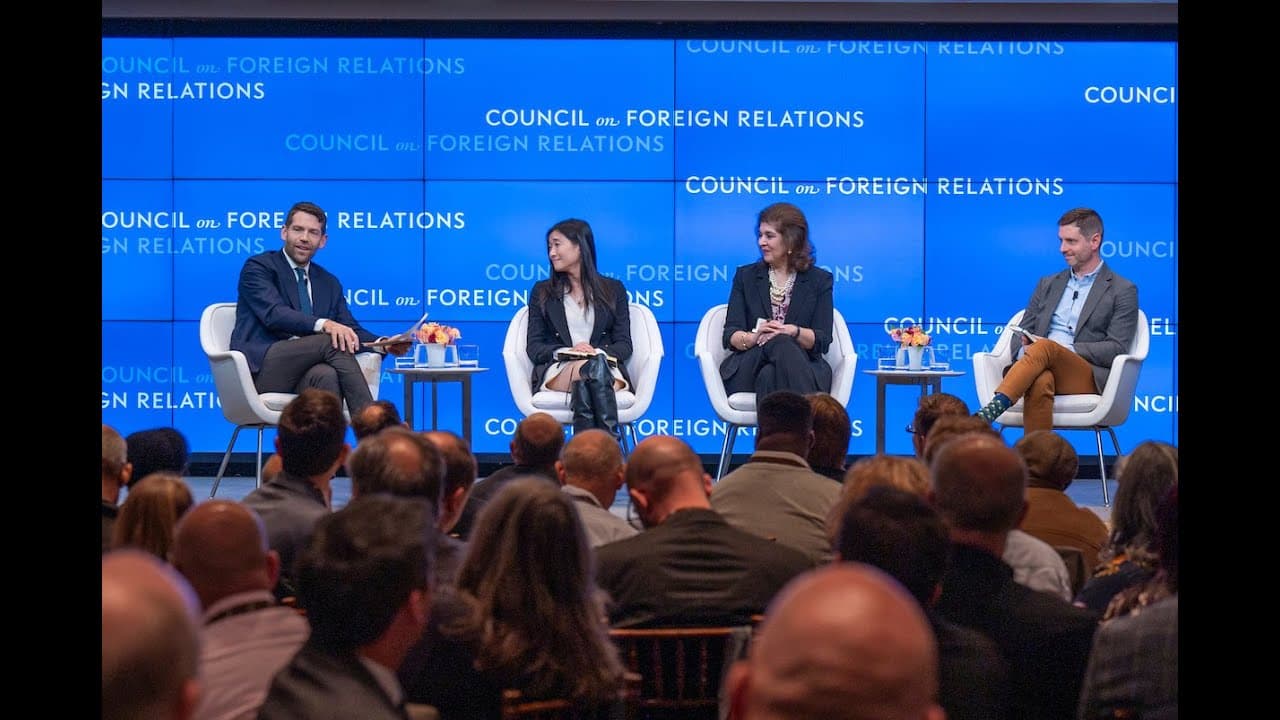
The panel discusses the U.S.'s role in global democracy, extremism, and economic relations with China. Key points include the decline in global democracy, the rise of extremism both domestically and internationally, and the challenges facing the Chinese economy. The discussion highlights the complexities of U.S. foreign policy in addressing these issues.
Transcript
FASKIANOS: Thank you for joining us for the twelfth annual College and University Educators Workshop. I’m Irina Faskianos, vice president for the National Program and Outreach. The Council on Foreign Relations Outreach Initiative is dedicated to being a resource for educators—all of you—to help students better understand the world, and the fo... Read More
Key Insights
- Global democracy has been in decline for 18 consecutive years, with notable declines in authoritarian countries.
- The U.S. has experienced a medium-large decline in democracy, driven by unequal treatment and political dysfunction.
- Extremism is a growing threat both domestically and internationally, with ideologies crossing borders rapidly.
- The Chinese economy faces structural challenges, including debt, demographic shifts, and geopolitical tensions.
- China's growth potential remains, but significant reforms are required to address overcapacity and consumption issues.
- U.S.-China relations are fragile and could be destabilized by geopolitical events or policy changes.
- Social media platforms like TikTok pose unique threats due to potential foreign influence and misinformation.
- A holistic approach involving government, society, and private sectors is needed to combat extremism and misinformation.
Install to Summarize YouTube Videos and Get Transcripts
Explore YouTube Video Summarizer or Get YouTube Transcript Extractor
Questions & Answers
Q: How has global democracy changed in recent years?
Global democracy has been in a state of decline for 18 consecutive years, with more declines than improvements. This trend is particularly pronounced in authoritarian countries, where political rights and civil liberties have significantly deteriorated.
Q: What are the main challenges facing the Chinese economy?
The Chinese economy is grappling with structural challenges such as high debt levels, demographic shifts, and geopolitical tensions. These issues contribute to deflationary pressures and require significant reforms to ensure sustainable growth.
Q: How does extremism manifest in the U.S. and globally?
Extremism in the U.S. and globally manifests through ideologies that spread rapidly across borders, often fueled by social media. This includes domestic threats from various extremist groups and international influences that exacerbate tensions and violence.
Q: What is the current state of U.S.-China relations?
U.S.-China relations are currently fragile, with potential for destabilization due to geopolitical events or policy changes. While both countries recognize the need for stability, tensions remain high, particularly in areas like technology and trade.
Q: What role do social media platforms play in global politics?
Social media platforms like TikTok play a significant role in global politics by influencing public opinion and spreading misinformation. These platforms pose unique threats due to their potential for foreign influence and the rapid dissemination of extremist ideologies.
Q: How can the U.S. address the rise of extremism?
Addressing the rise of extremism requires a holistic approach involving government, society, and private sectors. This includes implementing guardrails on social media, promoting digital literacy, and fostering a more inclusive and compassionate society.
Q: What are the implications of declining democracy in the U.S.?
The decline in U.S. democracy has implications for both domestic and international politics. It undermines the country's ability to advocate for democratic values globally and exacerbates internal challenges like political dysfunction and unequal treatment.
Q: How does the Chinese government view potential conflict with Taiwan?
The Chinese government views potential conflict with Taiwan as a complex issue requiring significant economic and military preparation. Factors such as demographics and the need to sanction-proof the economy play a role in their strategic considerations.
Summary & Key Takeaways
-
Global democracy has been declining, with authoritarian countries showing significant drops. The U.S. has also seen a decline, driven by unequal treatment and political dysfunction. Extremism, both domestic and international, poses a growing threat, with ideologies spreading rapidly across borders.
-
China's economy faces structural challenges, such as debt and demographic shifts, but retains growth potential. U.S.-China relations are currently fragile and could be destabilized by geopolitical events. Social media platforms like TikTok present unique threats due to potential foreign influence.
-
A comprehensive approach involving government, society, and private sectors is needed to address extremism and misinformation. The panel emphasizes the need for reforms and strategic partnerships to navigate these complex global issues effectively.
Read in Other Languages (beta)
Share This Summary 📚
Summarize YouTube Videos and Get Video Transcripts with 1-Click
Try YouTube Summary with ChatGPT & Claude or YouTube Transcript Generator
Explore More Summaries from Council on Foreign Relations 📚


Summarize YouTube Videos and Get Video Transcripts with 1-Click
Try YouTube Summary with ChatGPT & Claude or YouTube Transcript Generator