How Does a Positive Outlook Affect Eating Habits?
TL;DR
Viewing eating through a positive lens can lead to healthier eating behaviors and potentially improve health outcomes. Instead of focusing solely on nutrients, considering the enjoyment and satisfaction from food can balance stress-related eating habits and promote a healthier lifestyle. This approach may also be beneficial in addressing broader challenges like obesity and climate change.
Transcript
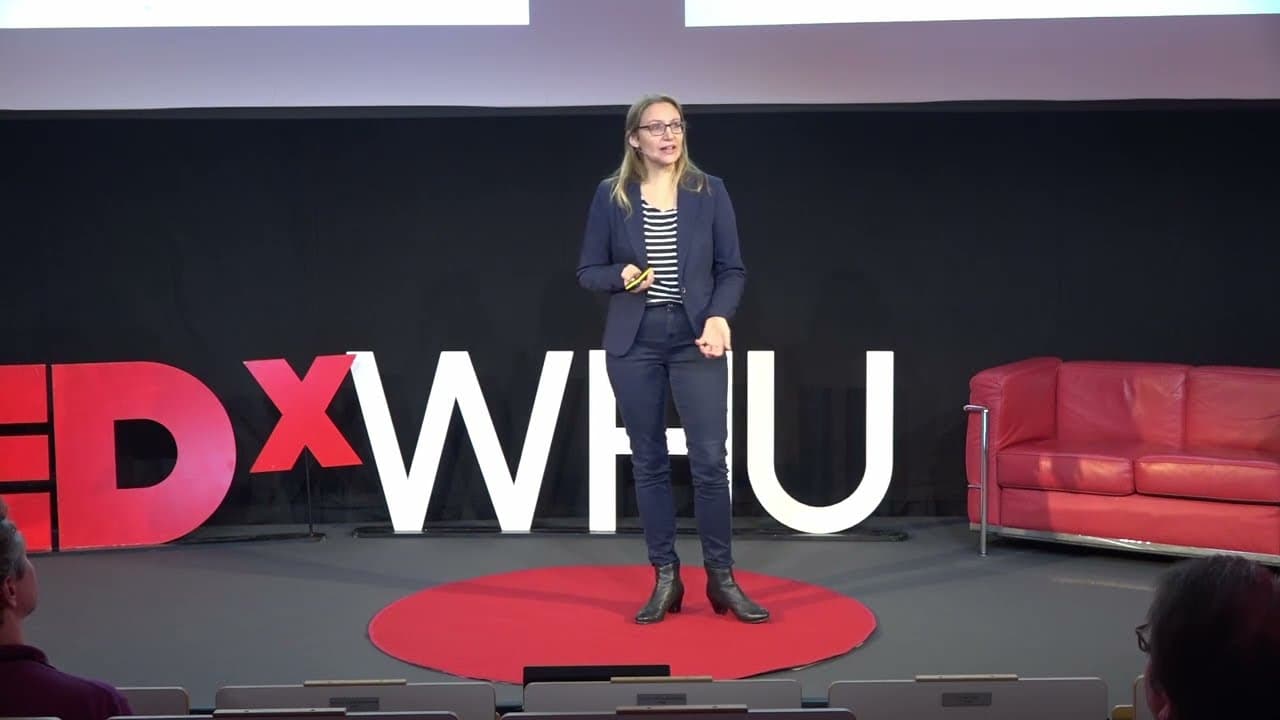
thank you very much for the invitation it's a honor and pleasure to be here um yeah today I would like to speak about eating behavior and show you how multi-dimensional it is as well as uh the potential of a positive perspective but first of all I would like to start with some background probably you have all heard about the so-called obesity epide... Read More
Key Insights
- Obesity prevalence in the USA has risen from 10% in the 1970s to over 40% in 2020, linked to health issues like cardiovascular disease.
- Traditional and modern eating behaviors are multi-dimensional, involving not just food types but also preparation, social, and spatial aspects.
- A study identified over 100 facets of traditional and modern eating, categorized into two dimensions: what and how people eat.
- Eating behavior is driven by 15 basic motives, including biological, emotional, social, health-related, and economic reasons.
- Stress eating can have a bright side; stress eaters might compensate for overeating in positive situations, balancing their overall consumption.
- A positive relationship with eating, marked by enjoyment and satisfaction, can correlate with healthier eating habits and lower health risks.
- Positive eating attitudes were linked to lower risks of elevated waist circumference, blood sugar, and metabolic syndrome over six months.
- Promoting a positive perspective on eating could aid in addressing obesity and global challenges like climate change by encouraging plant-based diets.
Install to Summarize YouTube Videos and Get Transcripts
Explore YouTube Video Summarizer or Get YouTube Transcript Extractor
Questions & Answers
Q: How does a positive perspective on eating affect health?
A positive perspective on eating, characterized by enjoyment and satisfaction, can lead to healthier eating habits. Studies show that individuals with a positive attitude towards eating are more likely to consume healthier foods and report higher life satisfaction. This positive outlook is associated with a lower risk of developing health issues like elevated waist circumference and metabolic syndrome.
Q: What are the key dimensions of traditional and modern eating behavior?
Traditional and modern eating behaviors are characterized by two main dimensions: what people eat and how they eat. These dimensions encompass various subdimensions, such as ingredients, food processing, preparation, and social and spatial aspects of eating. Understanding these dimensions helps in comprehending the multi-faceted nature of eating behaviors across different cultures.
Q: Why is focusing solely on nutrients insufficient in addressing obesity?
Focusing solely on nutrients is insufficient because eating behavior is multi-dimensional, involving more than just nutrient intake. Obesity rates continue to rise despite nutrient-focused approaches. A comprehensive perspective that includes enjoyment and satisfaction from food, as well as social and environmental factors, is crucial for effective interventions in addressing obesity.
Q: What are the 15 basic motives for eating identified in the study?
The 15 basic motives for eating include biological motives like hunger and taste, emotional motives such as pleasure and stress regulation, social motives like sociability, and health-related motives, including weight control and health. Economic factors, such as convenience and price, also play a role. These motives highlight the complexity of eating behavior beyond mere nutritional needs.
Q: How does stress eating have a positive aspect?
Stress eating can have a positive aspect as individuals who eat more under stress may compensate by eating less in positive situations. This balance suggests that stress eaters are not necessarily at risk of weight gain if they can offset their eating in various situations. Understanding this balance can help in developing strategies to manage stress-related eating behaviors effectively.
Q: What implications does a positive eating focus have for global challenges?
A positive focus on eating can address global challenges like obesity and climate change by promoting healthier eating habits and plant-based diets. By encouraging enjoyment and satisfaction in eating, individuals may adopt sustainable eating behaviors that reduce reliance on animal products, thereby decreasing CO2 emissions and contributing to climate change mitigation efforts.
Q: How can a positive eating perspective promote health?
A positive eating perspective, which emphasizes enjoyment and satisfaction, can promote health by encouraging healthier food choices and reducing stress-related overeating. This approach has been linked to lower risks of health issues like elevated blood sugar and metabolic syndrome. By fostering a positive relationship with food, individuals can achieve a balanced diet and improved overall well-being.
Q: What are the cultural differences in eating motives identified in the study?
The study found cultural differences in eating motives, such as social motives being more important in India compared to other countries. Despite these differences, the study consistently identified 15 basic eating motives across countries, indicating a generalizable multi-dimensionality in eating behavior. Recognizing these cultural variations can aid in developing tailored interventions for promoting healthier eating habits globally.
Summary & Key Takeaways
-
Obesity rates have significantly increased, highlighting the need for new approaches to eating behavior. Traditional methods focusing only on nutrients are insufficient. A positive perspective on eating, considering enjoyment and satisfaction, can lead to healthier habits and balance stress-related eating.
-
Eating behavior is multi-dimensional, involving what and how people eat, driven by 15 basic motives. These include biological, emotional, social, health-related, and economic motives, which vary across cultures but are consistent in their multi-dimensionality.
-
A positive eating attitude correlates with healthier habits and lower risks of health issues like metabolic syndrome. Extending a positive focus on eating could help address obesity and environmental issues, promoting plant-based diets to combat climate change.
Read in Other Languages (beta)
Share This Summary 📚
Summarize YouTube Videos and Get Video Transcripts with 1-Click
Try YouTube Summary with ChatGPT & Claude or YouTube Transcript Generator
Explore More Summaries from TEDx Talks 📚






Summarize YouTube Videos and Get Video Transcripts with 1-Click
Try YouTube Summary with ChatGPT & Claude or YouTube Transcript Generator