Mali Conflict: Three Things to Know
TL;DR
Mali faces conflict due to poverty, political instability, and radicalization.
Transcript
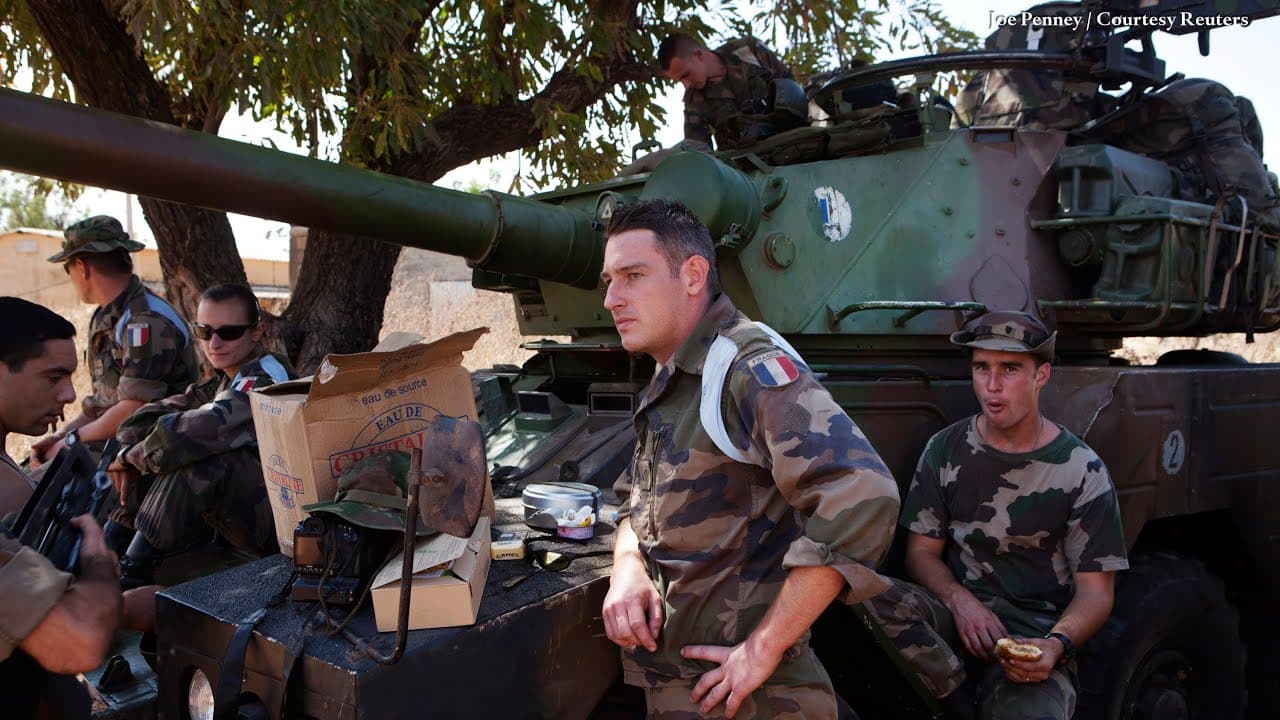
Mali is the African story that is dominating headlines today. There are three things you need to know about what is happening in Mali: First, it is small in population – less than sixteen million people, landlocked, and desperately poor. The expansion of the Sahara to the south, probably abetted by climate change, means that a large portion of its ... Read More
Key Insights
- Mali is a landlocked country with a population of less than sixteen million people, facing severe poverty and frequent food shortages due to climate change and desert expansion.
- The northern region, dominated by the Tuareg people, has a history of resentment towards the economically dominant south, leading to longstanding regional tensions.
- Mali was previously considered a model democracy with regular elections, but a 2012 coup led by an American-trained colonel exposed the superficial nature of its democratic processes.
- The coup in Mali was widely accepted, indicating a disconnect between the governing elites and the general populace, which had little faith in the democratic system.
- The influx of Qaddafi's former mercenaries and their weapons transformed a low-level insurrection in the north into a significant conflict, introducing a radical Islamic agenda.
- The radical Islamic regime in northern Mali imposed strict sharia law, supported by criminal activities, and posed a threat to regional security, prompting neighboring countries to consider intervention.
- France intervened militarily in Mali to prevent the rebels from overtaking the entire country, with initial success but subsequent setbacks and potential for anti-Western sentiment.
- The international community, through the Economic Community of West African States and the UN, authorized a force to restore government authority in the north, highlighting the global concern over the conflict.
Install to Summarize YouTube Videos and Get Transcripts
Explore YouTube Video Summarizer or Get YouTube Transcript Extractor
Questions & Answers
Q: What are the main factors contributing to Mali's conflict?
Mali's conflict is driven by a combination of severe poverty, regional tensions between the north and south, and political instability. The north, dominated by the Tuareg people, has long resented the south's economic dominance. Failed promises of federalism exacerbated these tensions. Additionally, the influx of Qaddafi's mercenaries brought radical Islamic influences, further complicating the situation.
Q: How did the 2012 coup affect Mali's political landscape?
The 2012 coup in Mali, led by an American-trained colonel, significantly altered the country's political landscape. It exposed the superficial nature of Mali's democracy, as the coup was widely welcomed by the populace, indicating a disconnect between the governing elites and the general population. The coup also highlighted the fragility of Mali's democratic institutions and the need for political reform.
Q: What role did Qaddafi's mercenaries play in the Mali conflict?
Qaddafi's mercenaries played a crucial role in escalating the conflict in Mali. After the fall of the Qaddafi regime in Libya, these mercenaries returned to Mali with weapons and a radical Islamic agenda. Their presence transformed a low-level insurrection into a major conflict, introducing strict sharia law and posing a significant threat to regional stability.
Q: Why did France intervene militarily in Mali?
France intervened militarily in Mali to prevent the rebel forces, which included radical Islamic groups, from overtaking the entire country. The intervention was in response to appeals from the Malian government, which feared losing control. France's military action aimed to stabilize the region and support the restoration of government authority in the north.
Q: What are the potential risks of Western intervention in Mali?
Western intervention in Mali carries several risks, including the possibility of provoking anti-Western sentiment in the region. The intervention supports a government that came to power through a coup, which could lead to further instability. Additionally, there is a risk of setbacks in military operations and the potential for prolonged conflict.
Q: How have Mali's neighbors responded to the conflict?
Mali's neighbors have viewed the emergence of a radical Islamic state in the north as a threat to their own security. In response, they have worked under the auspices of the Economic Community of West African States to assemble an African force to restore Bamako's authority. This effort received formal UN Security Council authorization, highlighting regional and international concern.
Q: What impact did the influx of Qaddafi's former mercenaries have on Mali's insurrection?
The influx of Qaddafi's former mercenaries had a profound impact on Mali's insurrection. They brought with them significant firepower and a radical Islamic vision, which transformed a low-level, long-term insurrection into a major conflict. Their presence enabled the rapid overpowering of the Malian army and the imposition of a radical Islamic regime in the north.
Q: What measures have been taken to address the conflict in Mali?
To address the conflict in Mali, several measures have been taken, including French military intervention to stabilize the region and prevent the rebels from overtaking the country. Additionally, the Economic Community of West African States, with UN authorization, has been assembling an African force to restore government authority in the north. These efforts aim to address the security threat posed by the radical Islamic regime.
Summary & Key Takeaways
-
Mali, a country with a small population and severe poverty, faces frequent food shortages exacerbated by climate change. The north, dominated by the Tuareg, resents the economically powerful south. Failed promises of federalism have fueled tensions.
-
Once a model democracy, Mali's government was overthrown in a 2012 coup. This coup, led by an American-trained colonel, revealed the weak connection between the governing elites and the people, who welcomed the military takeover.
-
The conflict escalated with the arrival of Qaddafi's mercenaries, who introduced a radical Islamic agenda. This shift prompted regional and international concerns, leading to French military intervention and plans for an African force to restore order.
Read in Other Languages (beta)
Share This Summary 📚
Summarize YouTube Videos and Get Video Transcripts with 1-Click
Try YouTube Summary with ChatGPT & Claude or YouTube Transcript Generator
Explore More Summaries from Council on Foreign Relations 📚
Summarize YouTube Videos and Get Video Transcripts with 1-Click
Try YouTube Summary with ChatGPT & Claude or YouTube Transcript Generator