GameWorks VR Gives a Boost to Virtual Reality
TL;DR
NVIDIA is focused on delivering the next generation of virtual reality gaming by building powerful GPUs, providing client software for optimal performance, and offering a VR SDK for improved compatibility and latency reduction.
Transcript
we feel like virtuality is going to be one of the next biggest things in gaming and Computing there's so much Buzz around it in the industry right now and we're focused on helping to deliver that next Generation virtual reality Graphics platform so the first part of that is building the world's fastest and best gpus with our GeForce GTX graphics pr... Read More
Key Insights
- 📈 NVIDIA is heavily invested in the future of virtual reality gaming and computing, recognizing its potential as a significant industry trend.
- 😌 The company's focus lies in building powerful GPUs, developing client software, and providing an SDK to enhance virtual reality graphics, latency, and compatibility.
- 🚚 NVIDIA collaborates with prominent industry leaders like CCP, Epic, Valve, HTC, and Oculus to integrate these features and deliver a better virtual reality experience.
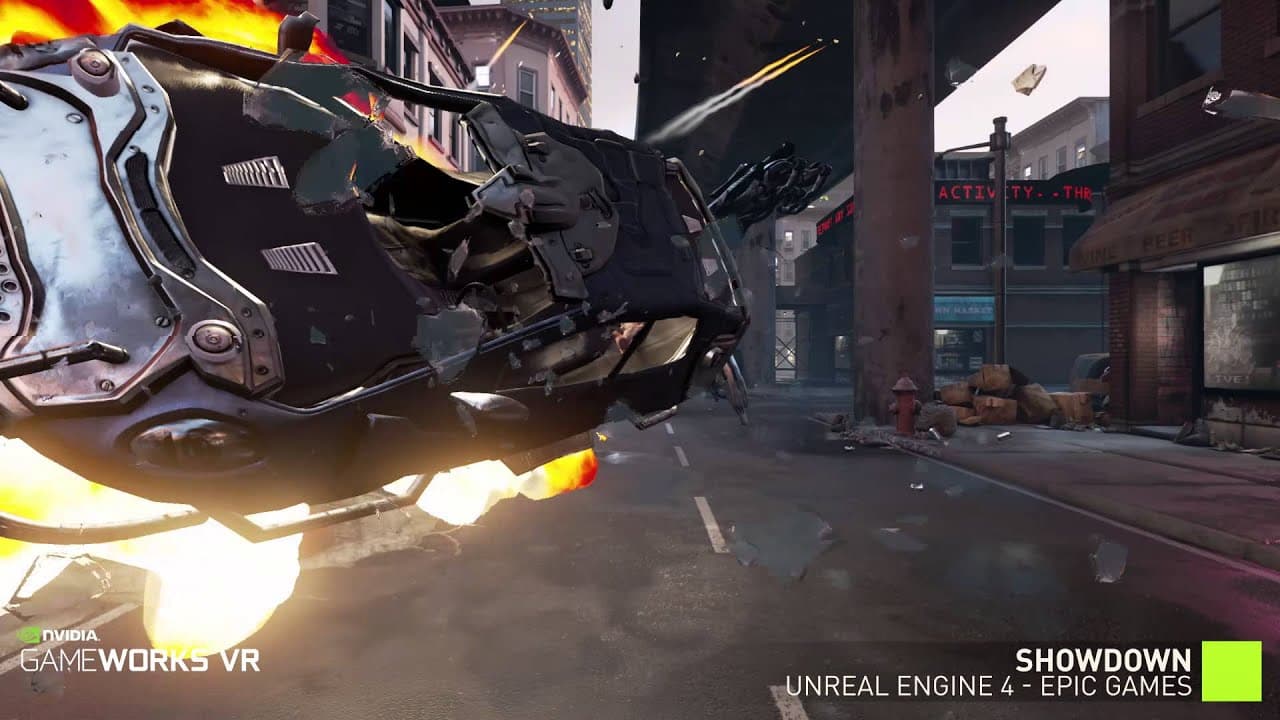
- 👾 Virtual reality gaming is already showing promising advancements, evident through the development of games like EV Valkyrie and Elite Dangerous, along with impressive technology demos like Showdown and Back to Dinosaur Island.
Install to Summarize YouTube Videos and Get Transcripts
Explore YouTube Video Summarizer or Get YouTube Transcript Extractor
Questions & Answers
Q: How does VR SLI improve performance in virtual reality gaming?
VR SLI allows for the utilization of multiple GeForce GTX GPUs to render the right and left eye images separately, significantly enhancing performance by distributing the workload.
Q: What is multi-shading, and how does it benefit virtual reality rendering?
Multi-shading is a technique where special hardware in GeForce GPUs renders only the pixels that appear in the final distorted VR image, resulting in pixel savings of up to 50% and improved rendering performance.
Q: How does context priority help reduce latency in virtual reality?
Context priority updates the image being rendered based on the latest position of the user's head, reducing latency by ensuring that the displayed image aligns with the head's movements more accurately.
Q: What is the purpose of front buffer rendering in virtual reality?
Front buffer rendering reduces latency by allowing the GPU to render directly onto the frame being output to the display, scanning the image out promptly after it is warped.
Summary & Key Takeaways
-
NVIDIA aims to deliver a top-notch virtual reality gaming experience through the development of powerful GPUs with their GeForce GTX graphics processor.
-
The company offers client software called GeForce experience, which assists gamers in obtaining the latest drivers and optimal settings for VR games and applications.
-
NVIDIA's Gameworks VR SDK provides features like VR SLI, multi-shading, context priority, front buffer rendering, and direct mode, which enhance performance, reduce latency, and improve compatibility for VR games and applications.
Read in Other Languages (beta)
Share This Summary 📚
Summarize YouTube Videos and Get Video Transcripts with 1-Click
Try YouTube Summary with ChatGPT & Claude or YouTube Transcript Generator
Explore More Summaries from NVIDIA 📚




Summarize YouTube Videos and Get Video Transcripts with 1-Click
Try YouTube Summary with ChatGPT & Claude or YouTube Transcript Generator