A Complete Guide To Transforming Your Life - Andrew Huberman
TL;DR
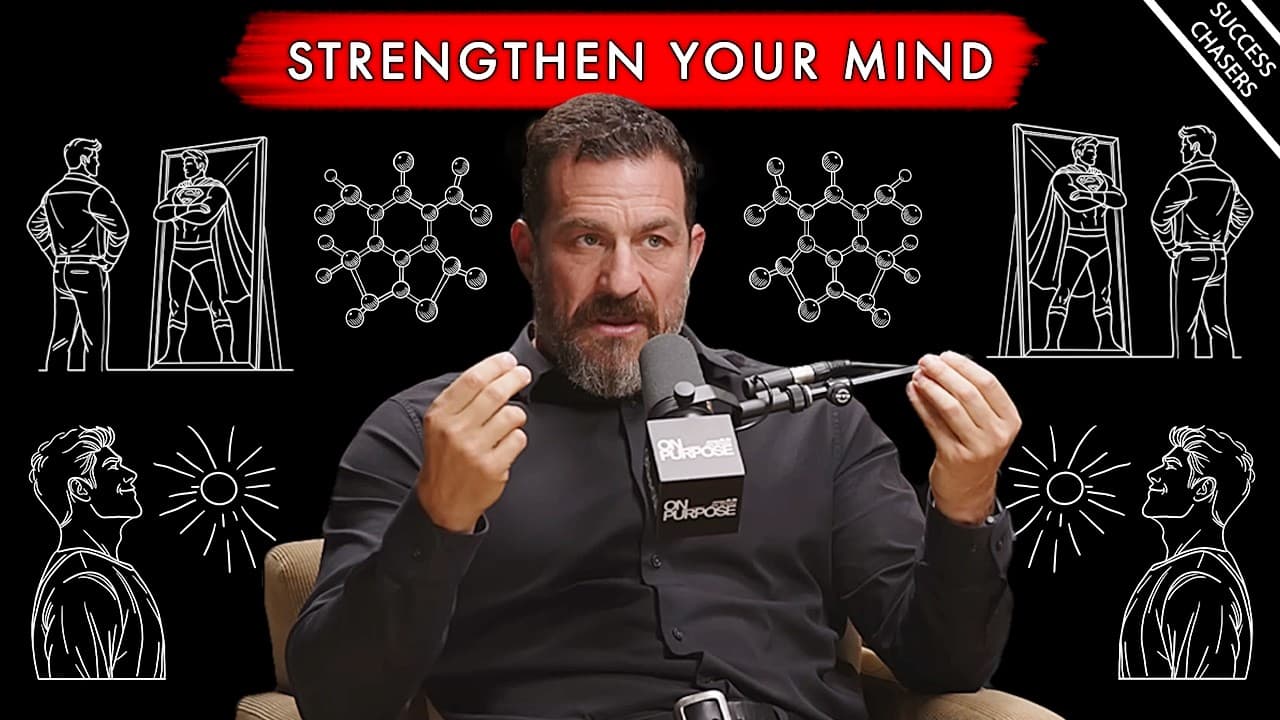
Andrew Huberman discusses neuroplasticity and personal transformation.
Transcript
Read and summarize the transcript of this video on Glasp Reader (beta).
Key Insights
- Andrew Huberman emphasizes the importance of knowing oneself and understanding personal strengths and weaknesses to transform perceived weaknesses into strengths.
- Neuroplasticity allows the brain to change and adapt at any age, but requires focused attention and adequate rest for effective learning and transformation.
- The brain's ability to change is not constant; it is more flexible in childhood and adolescence, requiring stronger stimuli in adulthood for significant change.
- Emotions such as fear and excitement play a crucial role in the brain's ability to change, with fear often having a more significant impact.
- Stories and narratives are powerful tools for organizing knowledge and can be used to challenge and change existing beliefs and habits.
- Attention is a valuable resource in personal transformation, and it is important to be mindful of how it is used, particularly in a world full of distractions.
- Burnout can be mitigated by engaging in activities that bring joy and meaning, and by maintaining a balance between rest and exploration.
- Diet and nutrition play a role in mental and physical health, with a focus on unprocessed foods helping to develop a better intuitive understanding of nutritional needs.
Install to Summarize YouTube Videos and Get Transcripts
Explore YouTube Video Summarizer or Get YouTube Transcript Extractor
Questions & Answers
Q: How does Andrew Huberman suggest individuals can transform perceived weaknesses into strengths?
Andrew Huberman suggests that individuals should focus on understanding their personal strengths and weaknesses. By gaining self-knowledge, one can identify areas that appear as weaknesses and find ways to transform them into strengths. This involves recognizing the unique wiring of one's brain and leveraging it for personal growth.
Q: What is the role of neuroplasticity in personal transformation according to Huberman?
Neuroplasticity plays a crucial role in personal transformation by allowing the brain to change and adapt at any age. However, effective transformation requires focused attention and adequate rest, as these conditions facilitate the reordering of neural connections necessary for learning and change.
Q: How does the brain's ability to change differ between childhood and adulthood?
In childhood and adolescence, the brain is more flexible and can change with passive experiences. In adulthood, however, significant change requires stronger stimuli due to the brain's efficiency in conserving energy. Adults need to be alert and focused, and experience a shift in neurochemical environment for effective learning.
Q: What is the impact of emotions like fear and excitement on the brain's ability to change?
Emotions such as fear and excitement have a significant impact on the brain's ability to change. Fear often has a more immediate and lasting influence due to its association with survival, while excitement and appreciation can also be strong stimuli for change, promoting positive transformations in the brain.
Q: How can stories and narratives be used to challenge and change existing beliefs?
Stories and narratives organize knowledge and can be used to challenge existing beliefs by dismantling components of these stories. By introducing counter-narratives and asking questions, individuals can interrupt the fluency of limiting stories, creating space for new, empowering narratives that support personal growth.
Q: What advice does Huberman give regarding the management of attention in personal transformation?
Huberman advises being mindful of how attention is used, as it is a valuable resource in personal transformation. In a world full of distractions, it is crucial to focus attention on activities that align with personal goals and values, and to engage in practices that promote creativity and productivity.
Q: How can individuals mitigate burnout according to Huberman?
To mitigate burnout, Huberman recommends engaging in activities that bring joy and meaning, and maintaining a balance between rest and exploration. By finding areas of life that evoke excitement and a sense of meaning, individuals can replenish their neural energy and prevent the negative effects of burnout.
Q: What role does diet and nutrition play in mental and physical health according to Huberman?
Diet and nutrition are important for mental and physical health, with a focus on consuming unprocessed or minimally processed foods. This approach helps develop a better intuitive understanding of nutritional needs, as the brain can associate the taste of foods with their macronutrient and micronutrient content, promoting healthier eating habits.
Summary & Key Takeaways
-
Andrew Huberman discusses the concept of neuroplasticity, explaining how the brain can change and adapt throughout life, with a focus on the importance of attention and rest in facilitating learning and transformation.
-
He emphasizes the power of narratives in shaping beliefs and habits, and suggests using counter-narratives and questions to challenge and change existing stories that may be limiting personal growth.
-
Huberman highlights the significance of emotions like fear and excitement in driving change in the brain, and advises on the importance of managing attention and engaging in activities that bring joy to mitigate burnout.
Read in Other Languages (beta)
Share This Summary 📚
Summarize YouTube Videos and Get Video Transcripts with 1-Click
Try YouTube Summary with ChatGPT & Claude or YouTube Transcript Generator
Explore More Summaries from SUCCESS CHASERS 📚


Summarize YouTube Videos and Get Video Transcripts with 1-Click
Try YouTube Summary with ChatGPT & Claude or YouTube Transcript Generator