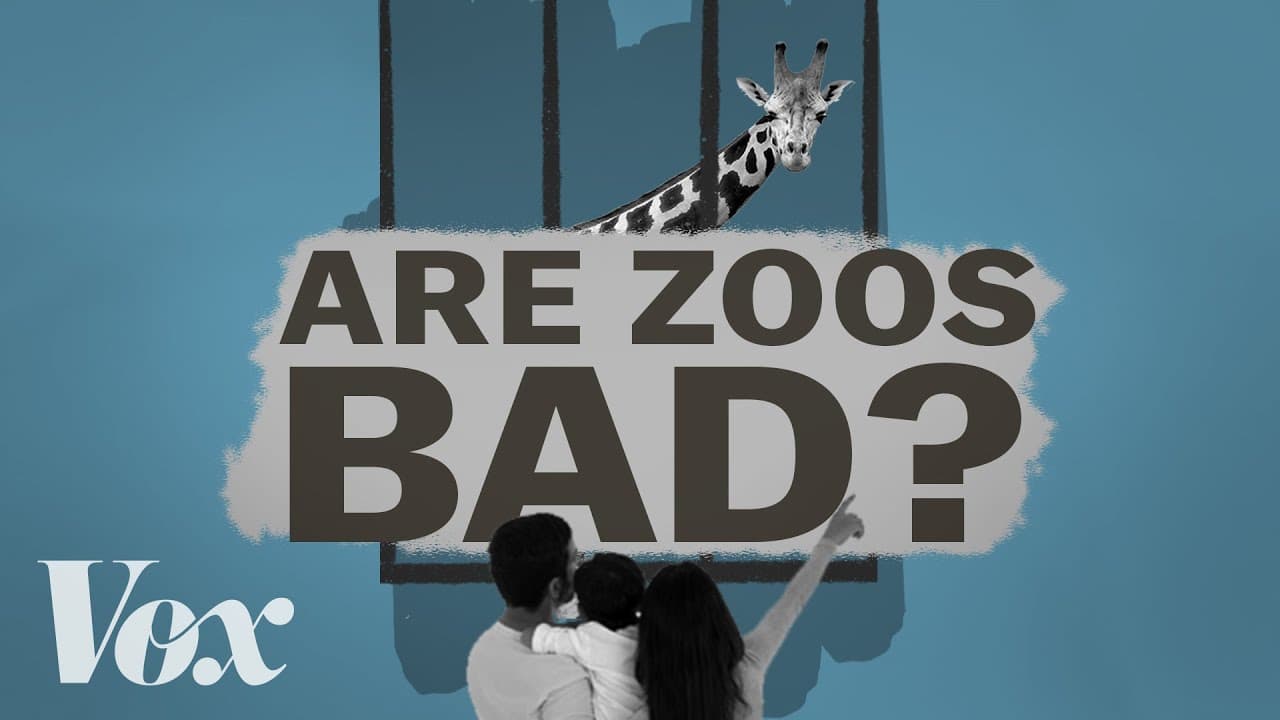
How do we fix the zoo?
TL;DR
Zoos' conservation benefits may not outweigh animal stress.
Transcript
A few months ago we got this question from one of our subscribers, Gaurav. When I was a kid, one of my most favorite things to do was to visit a zoo. But as I grew older, I came across evidence to the fact that animals in zoos often suffer from boredom. Was the younger version of me wrong? I wanted to dig into Gaurav's question in part b... Read More
Key Insights
- Zoos claim to promote conservation and human empathy towards animals, but evidence suggests limited impact on wild populations and human attitudes.
- Cognitively complex animals struggle to adapt to the wild after living in zoos, complicating conservation efforts.
- Zoos are often seen as a backup for endangered species, but reintroduction programs are rare and complex.
- Visitors may feel empathy towards zoo animals, but this does not necessarily translate into effective conservation actions.
- The concept of cognitive complexity explains why many zoo animals cannot be released back into the wild.
- Zoos could focus on species that can be successfully reintroduced, rather than cognitively complex animals.
- Education and changing perceptions could lead to a new kind of zoo, focusing on local species and biodiversity.
- The current zoo model may not effectively change conservation behaviors or attitudes towards habitat protection.
Install to Summarize YouTube Videos and Get Transcripts
Explore YouTube Video Summarizer or Get YouTube Transcript Extractor
Questions & Answers
Q: What is the main claim about zoos' conservation efforts?
The main claim is that while zoos market themselves as conservation advocates, their actual impact on wild populations and human conservation attitudes is limited. The video suggests that the benefits of zoos may not outweigh the psychological harm experienced by some animals, particularly those that are cognitively complex.
Q: How do zoos impact cognitively complex animals?
Cognitively complex animals, such as elephants and orangutans, require extensive learning periods in the wild, making it difficult to reintroduce them after living in zoos. This complexity means that many zoo animals cannot adapt to the wild, limiting the effectiveness of zoos as conservation tools for these species.
Q: What evidence is there for zoos changing human conservation attitudes?
The video presents evidence suggesting that zoos have a limited impact on changing human conservation attitudes. While visitors may feel empathy towards animals, this does not necessarily translate into effective conservation actions. A study mentioned in the video found that zoo visits did not significantly increase awareness of habitat protection.
Q: What alternative model for zoos is proposed?
The video proposes an alternative model for zoos that focuses on education and empathy for local species and biodiversity. This model would prioritize species that can be successfully reintroduced into the wild and encourage a broader understanding of local ecosystems, rather than focusing on large, complex animals.
Q: Why are reintroduction programs rare in zoos?
Reintroduction programs are rare because they are complex and challenging, especially for cognitively complex species. The video highlights that out of approximately 8700 species in zoos, only 117 reintroduction programs exist. Successful programs, like the one for the California Condor, are exceptions rather than the norm.
Q: How does the concept of cognitive complexity affect zoo animals?
Cognitive complexity affects zoo animals by highlighting the extensive learning periods required for survival in the wild. Animals like elephants and orangutans need years to develop necessary skills, making it difficult for them to adapt if reintroduced from zoos. This complexity limits the conservation effectiveness of zoos for these species.
Q: What role do zoos play in human empathy towards animals?
Zoos can play a role in expanding human empathy towards animals by allowing visitors to imagine themselves in the animals' place. This can lead to a greater understanding and concern for animal welfare. However, the video questions whether this empathy translates into meaningful conservation actions.
Q: What challenges do zoos face in conservation efforts?
Zoos face challenges in conservation efforts due to the difficulty of reintroducing cognitively complex animals into the wild and the limited impact on human conservation attitudes. The video suggests that zoos need to reassess their focus and prioritize species that can thrive after release, while also educating the public on local biodiversity.
Summary & Key Takeaways
-
The video explores the role of zoos in conservation and their impact on both animals and human attitudes. It questions whether the benefits of zoos justify the psychological harm experienced by some animals. The discussion includes insights from conservation psychologist Susan Clayton and science writer Emma Marris.
-
Zoos market themselves as conservation advocates, but evidence suggests limited success in changing human behaviors or supporting wild populations. The video highlights the challenges of reintroducing cognitively complex animals into the wild and suggests focusing on species that can thrive after release.
-
The video concludes by proposing a new model for zoos, prioritizing education and empathy for local species and biodiversity. It suggests that changing public perceptions and focusing on less complex species could lead to more effective conservation outcomes.
Read in Other Languages (beta)
Share This Summary 📚
Summarize YouTube Videos and Get Video Transcripts with 1-Click
Try YouTube Summary with ChatGPT & Claude or YouTube Transcript Generator
Explore More Summaries from Vox 📚


Summarize YouTube Videos and Get Video Transcripts with 1-Click
Try YouTube Summary with ChatGPT & Claude or YouTube Transcript Generator