How should investors prepare for tax inspections in Vietnam: practical insights and solutions
TL;DR
Foreign investors must prepare for inevitable tax inspections in Vietnam.
Transcript
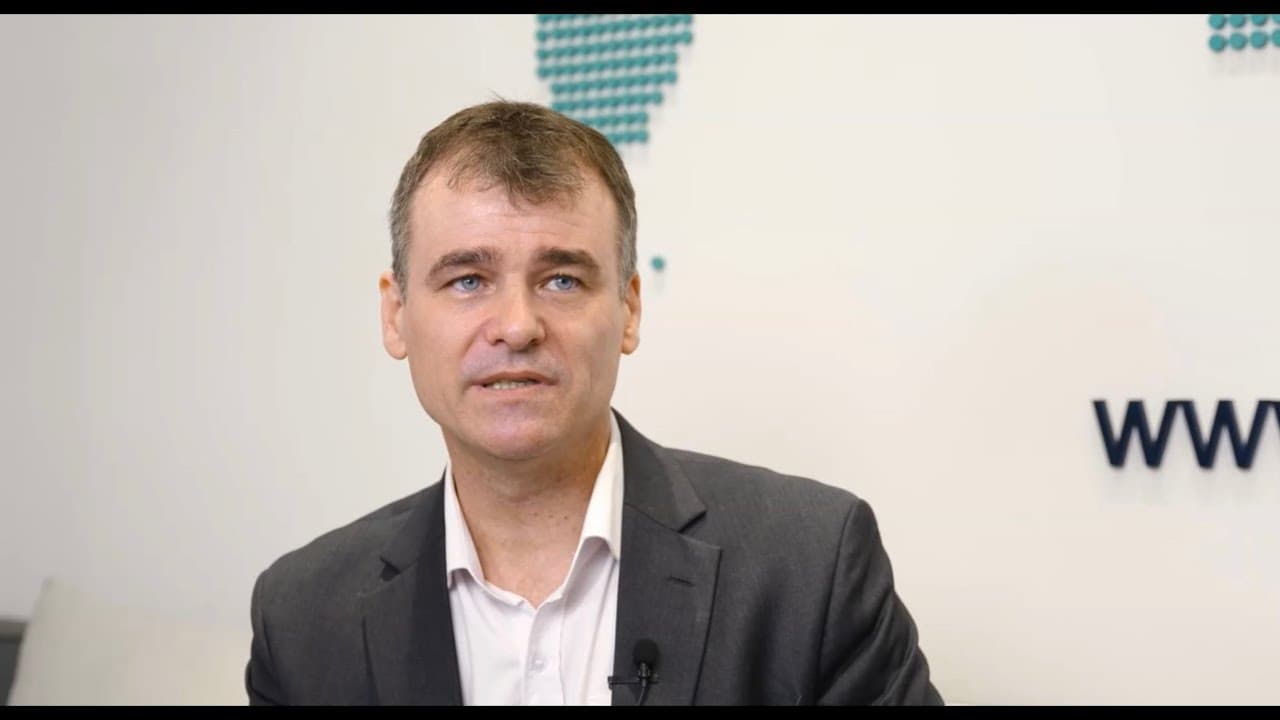
hello and welcome to climbs podcast series advanced in vietnam with me vlad savin as your host throughout the following episodes we're looking to answering relevant questions about doing business in vietnam what are the opportunities and challenges faced by investors entering the market or existing players in major industries we will seek to unders... Read More
Key Insights
- Tax inspections in Vietnam are inevitable for businesses, occurring every five years on average, but sometimes more frequently for high-risk sectors.
- The selection process for inspections is a mix of systemized and ad hoc methods, considering risk factors and targets for tax revenue.
- Maintaining compliance with Vietnamese accounting standards (VAS) is crucial for minimizing risks during inspections.
- Verbal negotiations with tax authorities can be risky; it is advisable to keep all communications in writing to avoid misunderstandings.
- Using a third-party advisor can help remove emotional bias and provide a buffer against intimidation tactics by tax authorities.
- Authorities often have internal targets for tax revenue recovery, influencing their focus during inspections.
- Manufacturing sectors face more frequent inspections due to complex operations involving import-export and labor issues.
- Keeping thorough records and documentation is essential, as gaps can lead to increased scrutiny and potential penalties.
Install to Summarize YouTube Videos and Get Transcripts
Explore YouTube Video Summarizer or Get YouTube Transcript Extractor
Questions & Answers
Q: How do tax inspections in Vietnam typically start?
Tax inspections in Vietnam typically start with a formal letter from the tax authorities, indicating the intent to inspect. However, it is not uncommon for tax officers to initiate contact through a phone call, requesting documents. It is crucial for businesses to insist on receiving a written document before sharing any information, as this formalizes the scope of the inspection and provides a basis for any negotiations or disputes.
Q: What are the key areas of focus during a tax inspection?
During a tax inspection, authorities focus on the overall business operations, ensuring compliance with Vietnamese accounting standards. They scrutinize business lines, activities, records, and processes. Key areas include compliance with tax standards, labor and insurance regulations, and the accuracy of financial documentation. Inspectors aim to identify non-compliance and potential penalties, often targeting high-risk sectors or companies with past issues.
Q: How can foreign investors effectively prepare for a tax inspection?
Foreign investors can prepare for tax inspections by maintaining strict compliance with Vietnamese accounting standards and ensuring all documentation is thorough and up-to-date. Regular internal audits and compliance reviews can help identify potential risks. Engaging a third-party advisor can provide an unbiased perspective and assist in managing the inspection process, reducing the likelihood of intimidation or miscommunication with tax authorities.
Q: What role does a third-party advisor play during a tax inspection?
A third-party advisor plays a critical role in managing tax inspections by providing an independent perspective, reducing emotional involvement, and acting as a buffer against intimidation tactics. They help ensure all communications are kept in writing, minimizing the risk of misinterpretation. Advisors can also assist in negotiating with authorities, focusing on factual evidence and legal compliance to protect the investor's interests.
Q: Why are manufacturing sectors more frequently inspected?
Manufacturing sectors are more frequently inspected due to their complex operations, which involve numerous risk factors such as import-export activities, labor issues, and intricate supply chains. These complexities increase the likelihood of non-compliance, making manufacturing companies prime targets for tax authorities. Inspectors focus on areas like cost of goods sold, wastage rates, and compliance with customs regulations to identify potential revenue recovery opportunities.
Q: What are the risks of verbal negotiations with tax authorities?
Verbal negotiations with tax authorities pose significant risks as they can lead to misunderstandings and misinterpretations. Without written records, businesses have less ground to dispute incorrect claims or penalties. Authorities may use verbal discussions to widen the scope of inspections or pressure companies into settlements. Keeping all communications in writing ensures clarity and provides a documented trail for any future disputes or appeals.
Q: How can businesses minimize the risk of penalties during inspections?
Businesses can minimize the risk of penalties during inspections by ensuring full compliance with Vietnamese accounting standards and maintaining comprehensive documentation. Regular internal audits and compliance reviews help identify and address potential issues before inspections occur. Engaging a third-party advisor can also provide guidance on best practices and assist in managing the inspection process, reducing the likelihood of penalties due to non-compliance.
Q: What should a business do upon receiving a tax inspection notice?
Upon receiving a tax inspection notice, a business should first request the official written document to formalize the scope of the inspection. It is advisable to engage a third-party advisor to assist in managing the process. The business should gather all relevant documentation and ensure compliance with Vietnamese accounting standards. Keeping all communications in writing and preparing for potential areas of scrutiny can help navigate the inspection effectively and minimize risks.
Summary & Key Takeaways
-
Tax inspections in Vietnam are a routine part of doing business, with companies typically facing an inspection every five years. The process is influenced by risk factors and targets set by tax authorities, making compliance crucial for investors.
-
Verbal negotiations during inspections can lead to misunderstandings; hence, keeping all communications in writing is recommended. Engaging a third-party advisor can help manage the process effectively, reducing the risk of intimidation.
-
Manufacturing sectors are particularly vulnerable to frequent inspections due to their complex operations. Maintaining comprehensive records and adhering to Vietnamese accounting standards can help mitigate risks and ensure smoother inspections.
Read in Other Languages (beta)
Share This Summary 📚
Summarize YouTube Videos and Get Video Transcripts with 1-Click
Try YouTube Summary with ChatGPT & Claude or YouTube Transcript Generator
Explore More Summaries from Acclime Vietnam 📚
Summarize YouTube Videos and Get Video Transcripts with 1-Click
Try YouTube Summary with ChatGPT & Claude or YouTube Transcript Generator