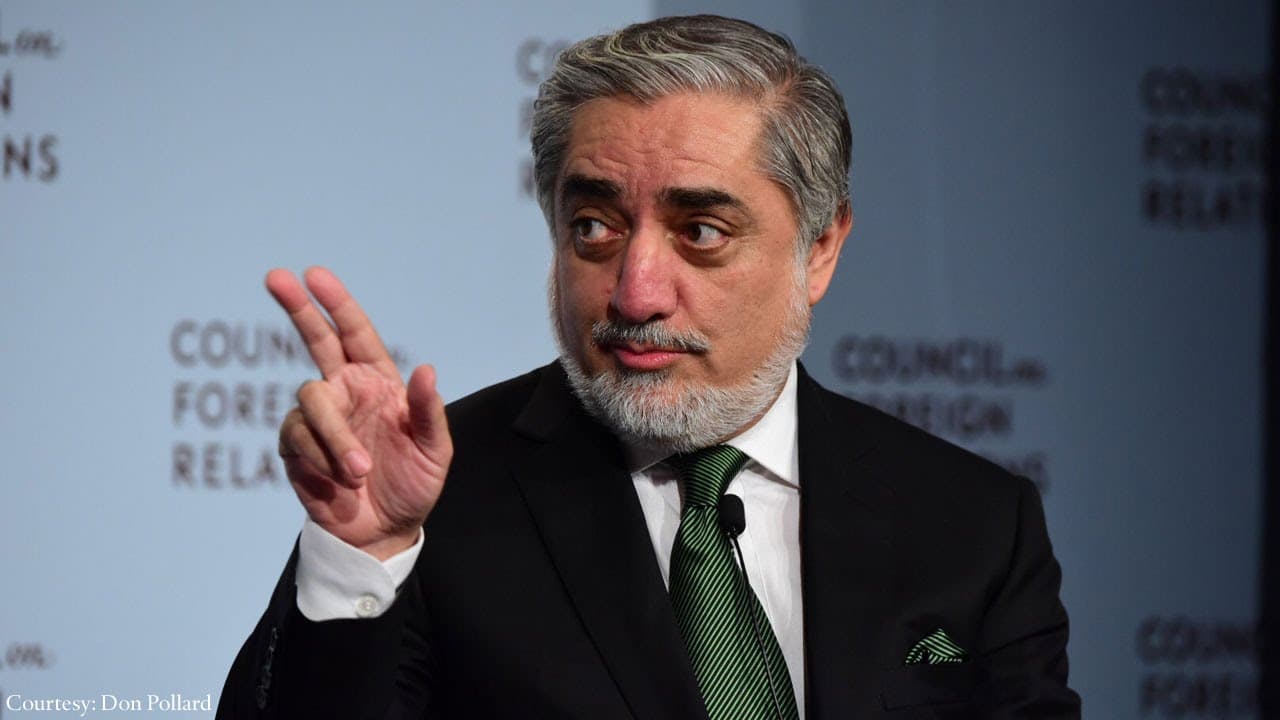
A Conversation With Abdullah Abdullah
TL;DR
Abdullah Abdullah discusses Afghanistan's political stability and economic potential.
Transcript
RUBIN: Well, welcome. And congratulations on getting here, given what�s happening with traffic on the streets of New York. First, let me say welcome to all of you to today�s meeting with Chief Executive Abdullah Abdullah. We are obviously delighted that you were able to join us today. And there�s tremendous interest in your country for all the obvi... Read More
Key Insights
- Abdullah Abdullah highlighted the intertwined nature of Afghanistan's political stability, national security, and economic prospects, emphasizing the need for a comprehensive approach to address these challenges.
- The political transition in Afghanistan coincided with a military transition in 2014, leading to a period of tension and uncertainty about the country's future stability and security.
- The formation of the unity government in Afghanistan was a unique and unprecedented experience, with skepticism about its longevity, yet it has lasted beyond initial expectations.
- The reduction of foreign troops from 140,000 to about 12,000 shifted the security burden onto Afghan forces, who have shown resilience despite challenges.
- The death of Taliban leader Mullah Omar revealed internal divisions within the Taliban, impacting their unity and potentially affecting future peace negotiations.
- Afghanistan's economic reform program outlines significant opportunities in natural resources, agriculture, and as a trade and energy hub, contingent on improved security and political stability.
- China, Iran, and Pakistan play complex roles in Afghanistan's security and economic landscape, with expectations for China to influence Pakistan positively regarding security cooperation.
- Corruption and opium production remain significant challenges, with efforts ongoing to reform the banking sector and recover public funds misused in the Kabul Bank scandal.
Install to Summarize YouTube Videos and Get Transcripts
Explore YouTube Video Summarizer or Get YouTube Transcript Extractor
Questions & Answers
Q: What were the main topics discussed by Abdullah Abdullah?
Abdullah Abdullah discussed Afghanistan's political stability, national security, and economic potential. He emphasized the interconnectedness of these issues and the importance of international support. The discussion also covered the challenges of transitioning security responsibilities, the unity government's formation, and the country's economic reform program.
Q: How has the security situation in Afghanistan changed since 2014?
Since 2014, the security situation in Afghanistan has changed significantly with the reduction of foreign troops from 140,000 to about 12,000. This shift placed a greater burden on Afghan forces to maintain stability. Despite challenges, Afghan forces have shown resilience, and there is ongoing international support to help them address security threats.
Q: What impact did Mullah Omar's death have on the Taliban?
Mullah Omar's death revealed significant internal divisions within the Taliban, impacting their unity and leadership legitimacy. These divisions have created dissent among Taliban ranks and could potentially affect future peace negotiations. The situation has also coincided with the emergence of Daesh, adding complexity to the security landscape.
Q: What are Afghanistan's economic opportunities according to Abdullah Abdullah?
Abdullah Abdullah highlighted Afghanistan's economic opportunities in natural resources, agriculture, and as a trade and energy hub. The country's potential depends on improved security and political stability. The economic reform program outlines the need for infrastructure development and regional connectivity to realize these opportunities.
Q: What role do China, Iran, and Pakistan play in Afghanistan's future?
China, Iran, and Pakistan play complex roles in Afghanistan's future. China is expected to use its influence positively over Pakistan for security cooperation. Iran maintains good relations with Afghanistan, supporting reconstruction efforts. Pakistan's role is complicated due to the presence of Taliban sanctuaries, affecting security dynamics.
Q: What challenges does Afghanistan face regarding corruption and opium production?
Afghanistan faces significant challenges with corruption and opium production. Corruption is a serious issue, with efforts underway to recover public funds misused in the Kabul Bank scandal. Opium production remains high, particularly in insecure areas, complicating efforts to improve governance and economic development.
Q: How has the unity government impacted Afghanistan's international relations?
The unity government has positively impacted Afghanistan's international relations by establishing a working partnership with the international community. The government has shown a willingness to deliver on promises and reforms, enhancing cooperation and support from international partners, which is crucial for Afghanistan's stability and development.
Q: What specific support does Abdullah Abdullah seek from the international community?
Abdullah Abdullah seeks continued international support for Afghanistan's security forces to enable them to stand independently. He emphasizes the importance of listening to ground-level military leaders and maintaining a consistent and coherent policy. Abdullah also highlights the need for long-term engagement to prevent a repeat of past withdrawal scenarios.
Summary & Key Takeaways
-
Abdullah Abdullah addressed the Council on Foreign Relations, discussing Afghanistan's intertwined issues of political stability, national security, and economic prospects. He emphasized the importance of international support and the unique experience of the unity government formed in Afghanistan.
-
The transition of security responsibilities from foreign troops to Afghan forces was a significant challenge, with the Taliban's internal divisions offering a potential opening for peace negotiations. Abdullah stressed the need for severing links with terrorist groups for successful talks.
-
Afghanistan's economic potential in natural resources, agriculture, and as a trade hub is promising, but contingent on stability and security. Relations with China, Iran, and Pakistan are crucial, with China expected to influence Pakistan positively regarding security cooperation.
Read in Other Languages (beta)
Share This Summary 📚
Summarize YouTube Videos and Get Video Transcripts with 1-Click
Try YouTube Summary with ChatGPT & Claude or YouTube Transcript Generator
Explore More Summaries from Council on Foreign Relations 📚


Summarize YouTube Videos and Get Video Transcripts with 1-Click
Try YouTube Summary with ChatGPT & Claude or YouTube Transcript Generator