The Federal Reserve's Stanley Fischer on Inflation and Financial Stability
TL;DR
Stanley Fischer discusses the Federal Reserve's history and future challenges.
Transcript
HAASS: Well, good afternoon. I'm Richard Haass, president of the Council on Foreign Relations. And I want to welcome everyone either in this room physically or watching us on CFR.org. And I want to thank you for coming to or viewing the fourth Stephen C. Freidheim Symposium on Global Economics. This annual effort was created to address the broad sp... Read More
Key Insights
- Stanley Fischer emphasizes the importance of understanding monetary policy through flexible inflation targeting, focusing on both inflation control and economic output.
- The Federal Reserve's role in financial stability has evolved, with increased focus on regulating the banking sector and managing systemic risks.
- Fischer highlights the significant impact of the Fed's independence and transparency on effective monetary policy, cautioning against overregulation.
- The symposium addresses global economic issues, with a focus on the Fed's influence on international markets and its interactions with other central banks.
- Fischer acknowledges the challenges of operating under zero interest rates and the importance of normalizing rates to ensure economic stability.
- The shadow banking system poses a regulatory challenge, with efforts underway to map and understand its interactions with the traditional banking sector.
- Fischer discusses the need for the Fed to remain adaptable and responsive to new financial crises, emphasizing the importance of maintaining lender-of-last-resort powers.
- The conversation touches on global economic imbalances and the Fed's consideration of international factors in its policy decisions.
Install to Summarize YouTube Videos and Get Transcripts
Explore YouTube Video Summarizer or Get YouTube Transcript Extractor
Questions & Answers
Q: How has the role of the Federal Reserve evolved over the years?
The Federal Reserve's role has evolved significantly, with a greater emphasis on understanding monetary policy through flexible inflation targeting. This involves balancing inflation control with economic output considerations. Additionally, the Fed's involvement in regulating the financial system and stabilizing the banking sector has become increasingly important, especially in the wake of the 2008 financial crisis.
Q: What are the main challenges facing the Federal Reserve today?
The Federal Reserve faces several challenges, including managing the normalization of interest rates after a prolonged period of near-zero rates, ensuring financial stability through effective regulation of both the traditional banking sector and the shadow banking system, and maintaining its independence and transparency amidst calls for increased oversight. Additionally, the Fed must consider the global impact of its policies and navigate international economic imbalances.
Q: How does the Federal Reserve approach financial stability?
The Federal Reserve approaches financial stability by focusing on the regulation and supervision of the banking sector, increasing bank capital and liquidity requirements, and implementing stress tests. The Fed also considers the broader financial system, including the shadow banking sector, to understand systemic risks and potential vulnerabilities. The goal is to prevent financial crises and ensure a stable economic environment.
Q: What is the significance of the Federal Reserve's independence?
The independence of the Federal Reserve is crucial for effective monetary policy, as it allows the Fed to make decisions based on economic considerations rather than political pressures. This independence is supported by transparency and accountability to Congress, with the Fed's mandate clearly defined. Maintaining this independence is essential for the Fed to respond effectively to economic challenges and crises.
Q: How does the Federal Reserve's policy impact global markets?
The Federal Reserve's policy has a significant impact on global markets due to the interconnectedness of the global economy and the prominence of the U.S. financial system. Changes in U.S. interest rates and monetary policy can influence capital flows, exchange rates, and economic conditions worldwide. The Fed considers these international factors when making policy decisions, recognizing the potential global implications.
Q: What are the implications of zero interest rates for the economy?
Zero interest rates, while necessary during economic crises, are not considered normal and can create challenges for savers and financial stability. They can lead to asset bubbles and increased risk-taking. The Fed aims to normalize interest rates to a level that supports sustainable economic growth while minimizing negative side effects. This process requires careful consideration of economic conditions and potential risks.
Q: How does the Federal Reserve address the shadow banking system?
The Federal Reserve addresses the shadow banking system by mapping its structure and understanding its interactions with the traditional banking sector. This involves identifying regulatory gaps and determining which institutions and activities pose systemic risks. The Fed collaborates with other regulatory bodies to develop strategies for monitoring and managing these risks, ensuring financial stability across the broader financial system.
Q: What is the Federal Reserve's stance on inflation targeting?
The Federal Reserve targets an inflation rate of around 2 percent as part of its dual mandate to achieve maximum sustainable employment and price stability. This target provides a buffer against deflation and allows for flexibility in monetary policy. The Fed's approach to inflation targeting is informed by economic conditions and the need to balance inflation control with economic growth.
Summary & Key Takeaways
-
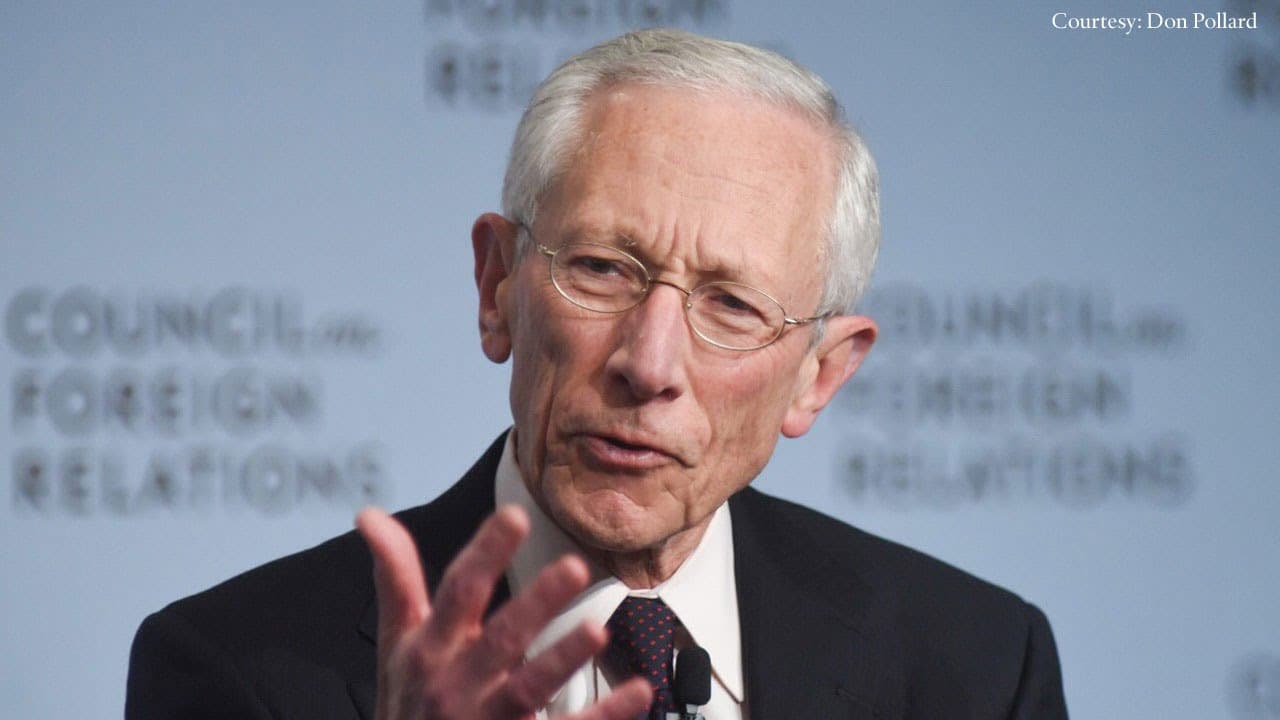
Stanley Fischer, vice chairman of the Federal Reserve, discusses the evolution of the Fed's role in monetary policy and financial stability, highlighting the importance of flexible inflation targeting and the challenges of regulating the shadow banking system.
-
Fischer emphasizes the need for the Fed to maintain its independence and transparency while adapting to new financial crises, and discusses the impact of the Fed's policies on global markets and economic imbalances.
-
The symposium, marking the 100th anniversary of the Federal Reserve, features discussions on the Fed's history and future challenges, with insights from Fischer and other experts on monetary policy and international economics.
Read in Other Languages (beta)
Share This Summary 📚
Summarize YouTube Videos and Get Video Transcripts with 1-Click
Try YouTube Summary with ChatGPT & Claude or YouTube Transcript Generator
Explore More Summaries from Council on Foreign Relations 📚


Summarize YouTube Videos and Get Video Transcripts with 1-Click
Try YouTube Summary with ChatGPT & Claude or YouTube Transcript Generator