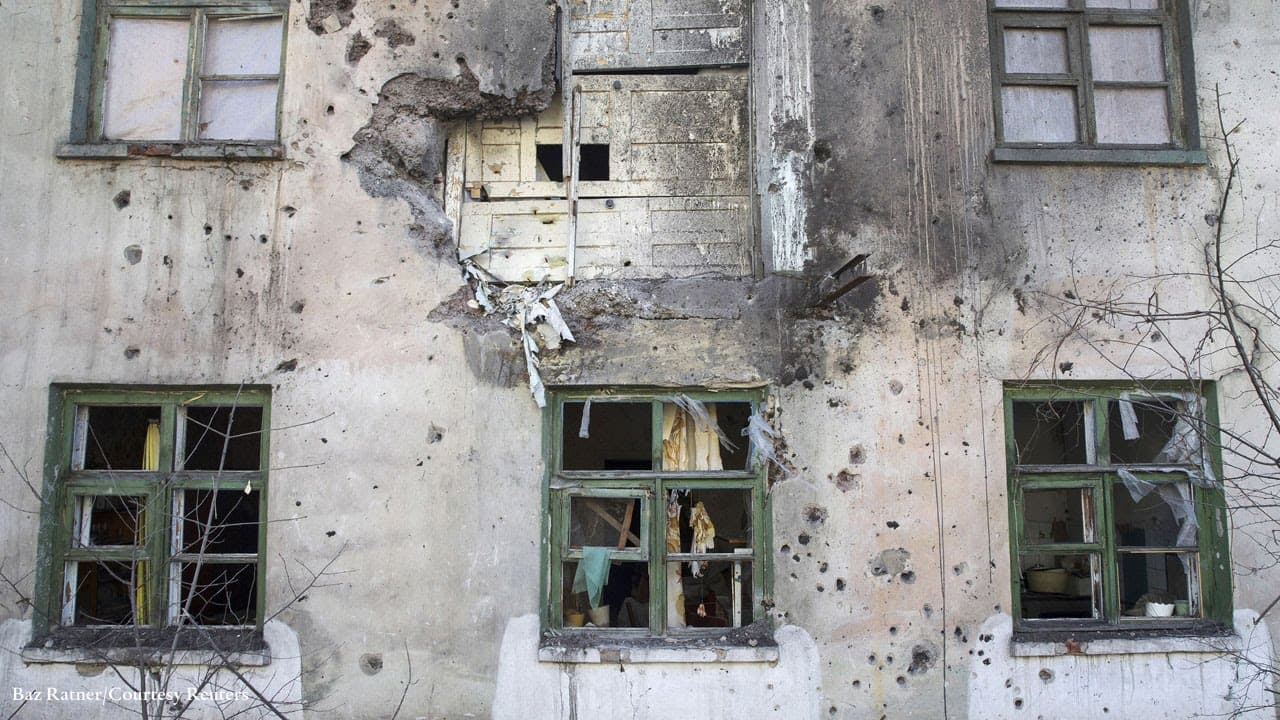
U.S. Policy Options in Ukraine
TL;DR
Discussion on U.S. strategies and challenges in Ukraine conflict.
Transcript
MODERATOR: Welcome. Thank you all, and I know you're all really interested in Ukraine because you have waited out the weather over schedules and cancellations and here we finally are. And of course a lot of things have happened even since we were originally scheduled to do this. Welcome to the Council on Foreign Relations. You all I think know the ... Read More
Key Insights
- The U.S. is considering supplying defensive weapons to Ukraine, which could increase Russian casualties and pressure Putin politically.
- Sanctions have hurt the Russian economy but have not changed Putin's actions in Ukraine, highlighting the complexity of economic measures.
- Putin's ambitions extend beyond Ukraine, posing a broader threat to European security and necessitating a comprehensive Western response.
- Germany plays a crucial role in the European response to the Ukraine crisis, with Merkel's leadership being pivotal.
- The conflict in Ukraine is not only a geopolitical issue but also a domestic one, with significant challenges in governance and reform.
- The potential for increased violence in regions like Mariupol could trigger further Western intervention and sanctions.
- China's role in this geopolitical dynamic is complex, with potential benefits from Russia's actions but no clear alignment with Western strategies.
- The West's response to Russia requires careful calibration to avoid escalating into a larger conflict, while still deterring further aggression.
Install to Summarize YouTube Videos and Get Transcripts
Explore YouTube Video Summarizer or Get YouTube Transcript Extractor
Questions & Answers
Q: What are the implications of providing weapons to Ukraine?
Providing weapons to Ukraine could increase Russian casualties, creating political pressure on Putin. However, it risks escalating the conflict and may not lead to a Ukrainian victory. The move could also strain U.S.-European relations if not handled with consensus, highlighting the complexity of military support.
Q: How effective are sanctions against Russia?
Sanctions have significantly impacted the Russian economy, exacerbating existing structural issues and lowering living standards. However, they have not compelled Putin to change his actions in Ukraine, suggesting that while sanctions send a strong message, they may not be sufficient to alter Russian policy.
Q: What role does Germany play in the Ukraine crisis?
Germany, under Merkel's leadership, plays a crucial role in shaping the European response to the Ukraine crisis. Germany's economic ties with Russia and its influence within the EU make it a key player in determining the extent and nature of sanctions and diplomatic efforts.
Q: What are the internal challenges facing Ukraine?
Ukraine faces significant internal challenges, including corruption, governance issues, and economic instability. These problems hinder reform efforts and complicate Ukraine's ability to respond effectively to Russian aggression. Western support is essential in helping Ukraine address these issues and build a stable, democratic society.
Q: How does the situation in Mariupol affect the conflict?
Mariupol is strategically important, and a Russian offensive there could escalate the conflict significantly. Such an action might prompt stronger Western responses, including increased sanctions and military support for Ukraine, but also risks further destabilizing the region and complicating diplomatic efforts.
Q: What is China's position in this geopolitical dynamic?
China benefits from the Russia-West conflict by potentially securing cheaper energy deals and observing how international norms are challenged. While not directly aligned with either side, China watches the situation closely, potentially using it to inform its own geopolitical strategies, especially in regional disputes.
Q: What are the risks of escalating the conflict with Russia?
Escalating the conflict with Russia risks a broader military confrontation and increased casualties. It could also lead to further destabilization in Eastern Europe and strain international alliances. A careful balance is needed to deter aggression without provoking a wider war.
Q: What is the long-term vision for Ukraine's integration with the West?
The long-term vision for Ukraine involves integration with Western institutions like the EU and NATO, which offer reform roadmaps and economic benefits. Achieving this requires overcoming internal challenges and securing a stable geopolitical environment, with sustained Western support and engagement.
Summary & Key Takeaways
-
The discussion focused on U.S. policy options in Ukraine, debating the provision of defensive weapons to Ukraine to deter Russian aggression. The panelists explored the potential consequences of such actions and the broader geopolitical implications.
-
The panelists highlighted the economic impact of sanctions on Russia and questioned their effectiveness in changing Putin's behavior. They emphasized the need for a comprehensive strategy that includes military, economic, and diplomatic measures.
-
Internal challenges within Ukraine, such as corruption and governance issues, were discussed as significant obstacles to stability and reform. The panelists underscored the importance of Western support in helping Ukraine address these challenges.
Read in Other Languages (beta)
Share This Summary 📚
Summarize YouTube Videos and Get Video Transcripts with 1-Click
Try YouTube Summary with ChatGPT & Claude or YouTube Transcript Generator
Explore More Summaries from Council on Foreign Relations 📚

Summarize YouTube Videos and Get Video Transcripts with 1-Click
Try YouTube Summary with ChatGPT & Claude or YouTube Transcript Generator