How to Teach Fitness to High School Athletes
TL;DR
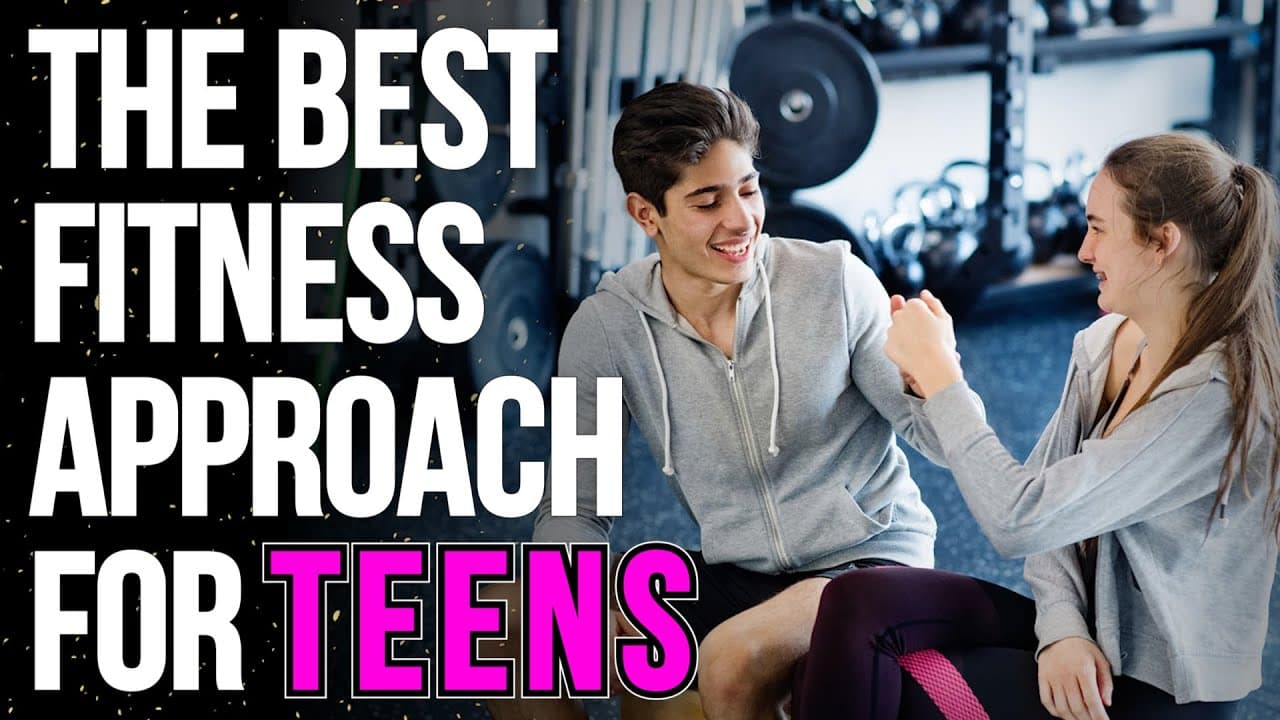
For high school athletes, combining classroom learning with practical sessions in the weight room is key to maximizing sports performance. Focus on training principles, anatomy, and scientific literacy to help students design effective fitness programs. Engage students with relatable examples and debunk common fitness myths to maintain their interest.
Transcript
what's the best fitness approach for high school students watch this our next caller is sarah from connecticut what's up sarah how can we help you hi um so i just want to start off by saying i am so grateful that you guys are letting me ask my question and i'm so excited to be asking it i'm a longtime fan i've been around since adam was competing a... Read More
Key Insights
- Combining classroom learning with weight room sessions enhances sports performance for high school athletes.
- Teaching anatomy and physiology relevant to sports helps students understand their bodies better.
- Scientific literacy is improved by analyzing studies, which aids in designing effective training programs.
- Using analogies and debunking myths keeps students engaged and interested in fitness education.
- Isometric exercises and unilateral movements are foundational for building strength and stability.
- Incorporating famous athletes' training methods can make lessons relatable and engaging for students.
- Immediate feedback from exercises, like increased flexibility, excites and motivates students.
- Iterative teaching, based on feedback, helps refine the curriculum for better student understanding.
Install to Summarize YouTube Videos and Get Transcripts
Explore YouTube Video Summarizer or Get YouTube Transcript Extractor
Questions & Answers
Q: How can high school athletes maximize their sports performance?
High school athletes can maximize their sports performance by combining classroom learning of training principles with practical sessions in the weight room. Understanding anatomy and physiology relevant to sports, improving scientific literacy through analyzing studies, and designing effective training programs are crucial. Engaging teaching methods that include relatable examples and debunking myths can also enhance their learning experience.
Q: What should be included in a fitness curriculum for high school students?
A fitness curriculum for high school students should include training principles, anatomy and physiology, and scientific literacy. Practical sessions in the weight room should complement classroom learning. Engaging students with relatable examples, using analogies, and debunking common fitness myths can maintain their interest. Immediate feedback from exercises and incorporating famous athletes' training methods can also enhance the curriculum.
Q: Why is it important to teach scientific literacy in fitness education?
Teaching scientific literacy in fitness education is important because it helps students analyze and understand scientific studies, which aids in designing effective training programs. It enhances their ability to critically evaluate fitness information and apply it to their own training. This knowledge empowers students to make informed decisions about their fitness and sports performance, leading to better results.
Q: How can analogies and myths be used in fitness education?
Analogies and debunking myths can be used in fitness education to engage students and make complex concepts more relatable and understandable. Analogies simplify scientific principles by comparing them to familiar ideas, while debunking common myths challenges preconceived notions and encourages critical thinking. These methods keep students interested and help them retain information more effectively, enhancing their learning experience.
Q: What role do isometric exercises play in training high school athletes?
Isometric exercises play a crucial role in training high school athletes by building foundational strength and stability. These exercises involve holding a position without movement, which enhances muscle control and endurance. Incorporating isometric exercises in training programs helps athletes improve their performance by increasing their ability to generate force and maintain stability during dynamic movements in sports.
Q: How can immediate feedback from exercises motivate students?
Immediate feedback from exercises can motivate students by providing tangible evidence of progress and improvement. For example, demonstrating increased flexibility after a specific stretch can excite students and reinforce the effectiveness of the exercise. This instant validation encourages students to engage more actively in their fitness routines, as they can see the direct impact of their efforts on their bodies and performance.
Q: Why is it beneficial to use famous athletes as examples in fitness education?
Using famous athletes as examples in fitness education is beneficial because it makes lessons more relatable and engaging for students. Familiar figures capture students' interest and provide concrete examples of how training principles are applied in real life. Discussing the training methods of well-known athletes can inspire students and help them understand the practical applications of fitness concepts, enhancing their motivation to learn.
Q: How can iterative teaching improve fitness education for high school students?
Iterative teaching improves fitness education for high school students by allowing educators to refine the curriculum based on student feedback and learning outcomes. This approach helps identify what works and what needs adjustment, ensuring that the material is understandable and applicable for students. By continuously adapting the curriculum, educators can provide a more effective and personalized learning experience that meets the needs of their students.
Summary & Key Takeaways
-
Combining classroom education with practical weight room sessions is essential for high school athletes to enhance their sports performance. The curriculum should focus on training principles, anatomy, and physiology to help students understand their bodies better. Engaging students with relatable examples, debunking common fitness myths, and using analogies can maintain their interest and excitement.
-
Teaching scientific literacy through analyzing studies aids students in designing effective fitness programs. Foundational exercises like isometrics and unilateral movements help build strength and stability. Incorporating famous athletes' training methods makes lessons relatable and engaging, while immediate feedback from exercises motivates students.
-
Iterative teaching based on feedback helps refine the curriculum, ensuring students understand and apply fitness concepts effectively. Engaging students through relatable examples and debunking myths enhances their learning experience, making fitness education valuable for their overall development.
Read in Other Languages (beta)
Share This Summary 📚
Summarize YouTube Videos and Get Video Transcripts with 1-Click
Try YouTube Summary with ChatGPT & Claude or YouTube Transcript Generator
Explore More Summaries from Mind Pump Show 📚





Summarize YouTube Videos and Get Video Transcripts with 1-Click
Try YouTube Summary with ChatGPT & Claude or YouTube Transcript Generator